Madingley Hall, gardens and health. (8/18)

Having spent a tedious morning on the phone to the Department of Work & Pensions, followed by a lengthy call to BT to try and sort out longstanding internet problems, I decided it was time to visit a garden and restore my equilibrium. Twitter brought my attention to the fact that Madingley Hall was opening its gates as part of the NGS Gardens and Health week.

Driving through the impressive iron gates and sweeping up the drive, the big blue sky and the gentle green meadow had an instant calming effect.

IMG_1224.jpg

Having parked the car I found the entrance to the estate is through the walled garden. This dates back to the 18th century, with the first recording being of a plant inventory dated 1757. Today a blackboard notes the plants of particular interest.

IMG_1068.jpg

Two gravel paths diverged……… and I am faced with the age-old dilemma, which one should I take ?

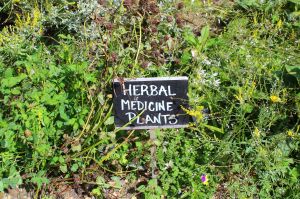
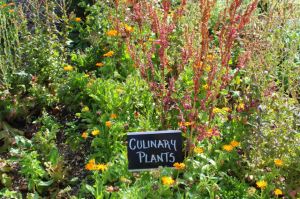
The borders are overflowing with every type of herb to promote well-being;

aromatic…
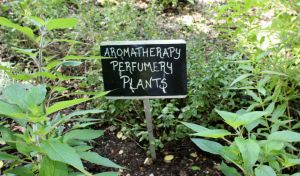
IMG_1089

medicinal…

IMG_1075

culinary…

IMG_1076 2


Not only are these plants of a curative nature, but also many can be used for dyeing. Much information about the history and use of these plants is displayed and I realise that I could do much to alter my wardrobe.
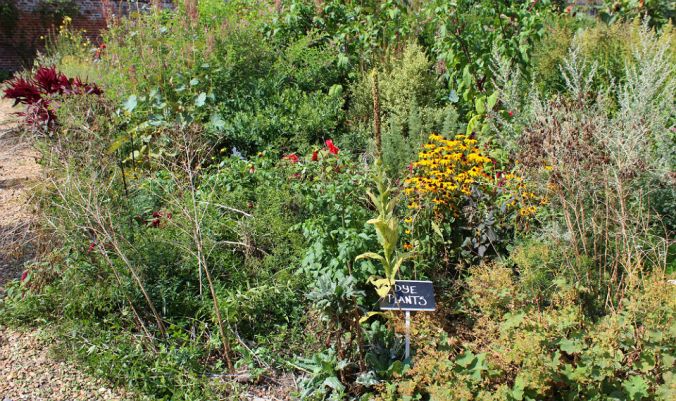
IMG_1091.jpg

Enclosed by hedges the sunken garden is a delightful spot to sit and soak up the sun; planted with white flowers such as perennial sweet pea and gaura lindheimeri, it is softened by the gentle clumps of stipa tenuissima.

IMG_1080.jpg

There is such variety within these walls, a wooden rose pergola runs roughly from north to south providing much-needed shade rather than colour at this time of year.
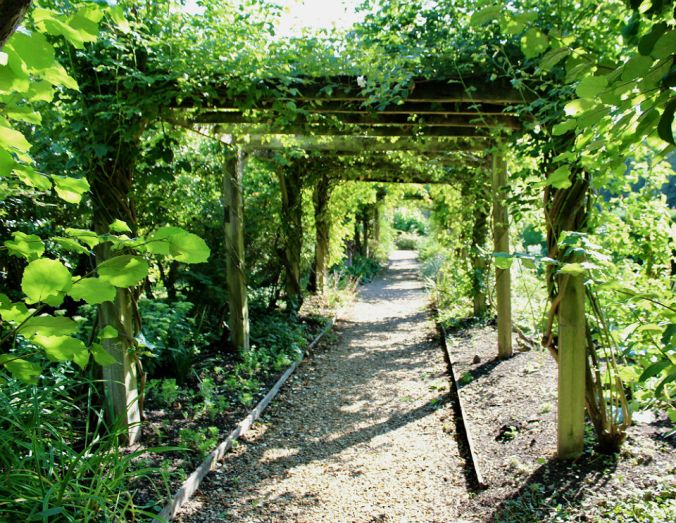
IMG_1247.jpg

Mature trees also provide plenty of canopy and across the curiously patterned round lawn is a circular raised alpine bed.

IMG_1104.jpg

where the tiny autumn snowflake Acis autumnalis seems a little premature on this warm summer’s day.

IMG_1100

Running from east to west is the fine hazel walk Corylus avellana  shown on the tithe map of 1849; it is a lengthy 60 metres (just under 200ft) long.

IMG_1111.jpg

The path emerges from the mature planting into an open expanse of lawn with a thatched summerhouse nestling in the corner.

IMG_1113.jpg

No sense of autumn approaching here; the border has plenty in flower, hibiscus, heliotrope, alstoemeria and helenium all provide late summer colour.

Leaving the walled garden through a door in the wall and passing the crenelated box hedge on my right I descend some steps to the courtyard in front of the Hall.
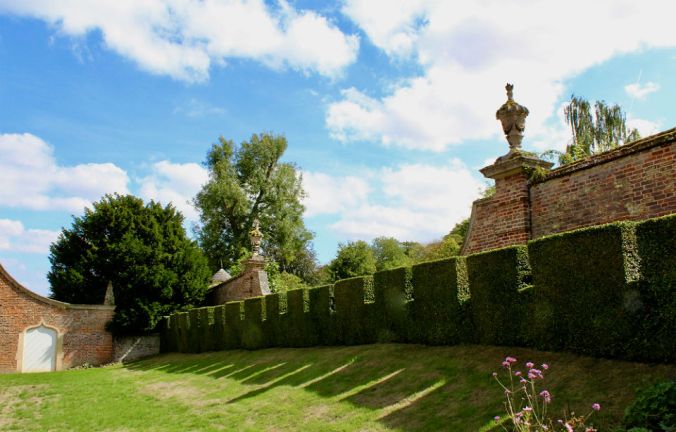
IMG_1125.jpg

Over the ornamental pond and to my horror, I find a patient abandoned on a hospital trolley. Startled, I wonder that it must be the first corpse I have found in a garden, then realise I have blundered into a serious first-aid course and, being of the somewhat lightheaded disposition, I quickly scurry away and
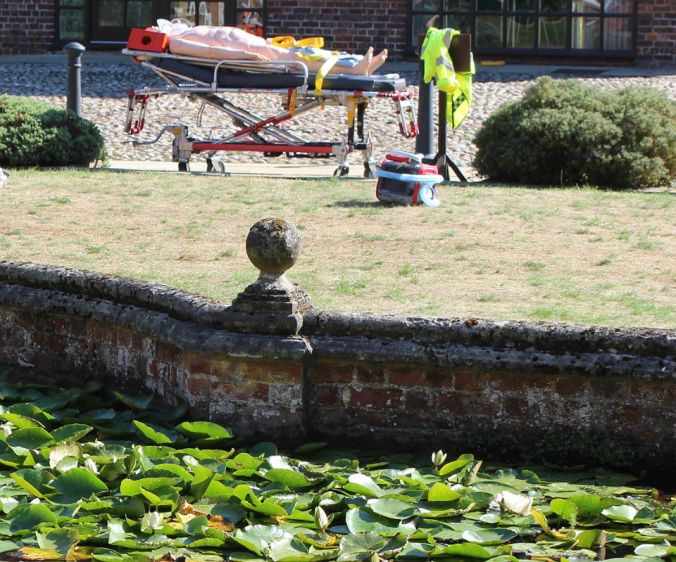
IMG_1233.jpg

take deep breaths in front of the heavenly hibiscus.

IMG_1130

At the east end of the Hall is a formal raised terraced garden with a circular pond surrounded by smooth quirky-shaped topiary.

IMG_1134.jpg

The view east to the lake is totally unspoilt and uncluttered.

IMG_1137.jpg

Stepping down to the wide North Walk, I see the balustrade is repeated along the edge of the croquet lawn,
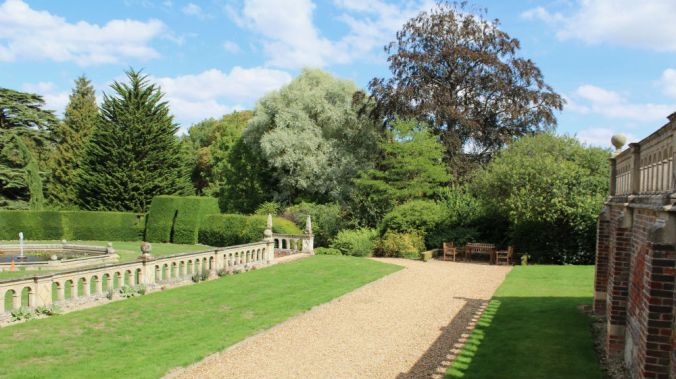
IMG_1141.jpg

broken at the centre to reveal an avenue of giant clipped yew bollards marching into the far distance.
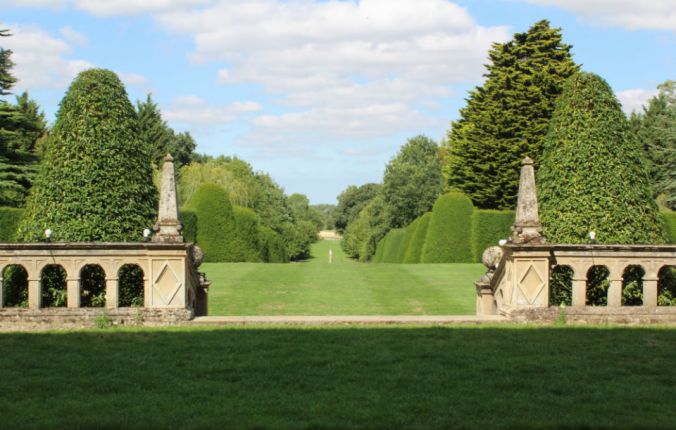
IMG_1144.jpg

It is a fine view for this small statue of a buddha protected behind a semi-circular pond and perched in a recess in the wall.
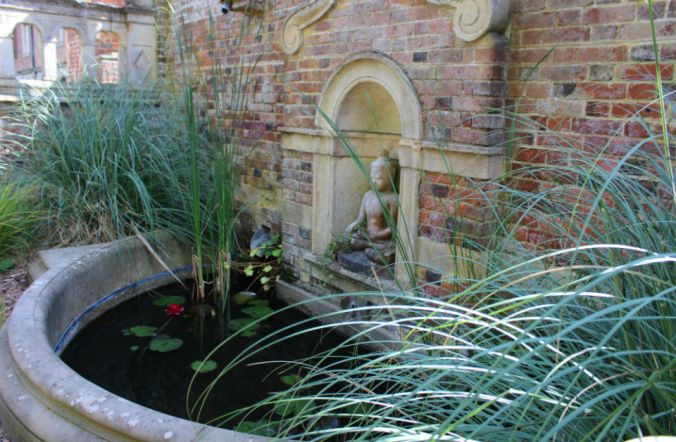
IMG_1145 2.jpg

Madingley Hall was built in the 1540s and the development of the garden over the years is a fine example of the history of garden design. Growing at the west end is a large yew taxus baccata, which is thought to date back to when ‘Capability’ Brown improved the estate.

IMG_1156.jpg

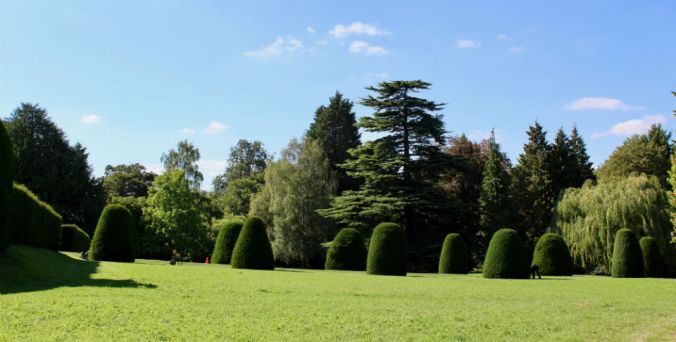
The yew topiary garden was created in the 1920s when some of the topiary were transferred from nearby Histon Manor.  Waiting for their annual clip the different shapes seemingly move around an astrolabe mounted in the centre on a stone plinth.

IMG_1154 2.jpg

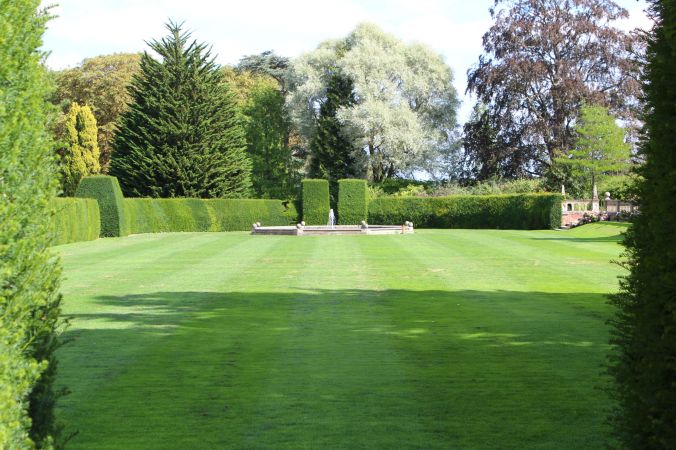
A large elegant croquet lawn with its backdrop of mature trees, must have provided plenty of entertainment over the years. The game is still played today by the many students and staff who now occupy the Hall, which was bought by Cambridge University 1948.
IMG_1159.jpg

There is a different feel down on this north side of the site; here it is spacious, green, still and silent. Today the majestic trees are quite lovely; upright, spreading, weeping and clipped they create a verdant theatre.

IMG_1161.jpg

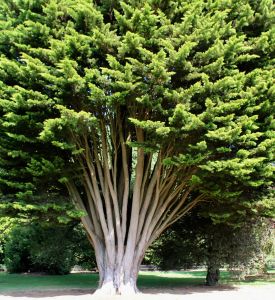
Some trees are multi stemmed and like a cluster of balloon strings they reach up to the sky. IMG_1166
The wild flower meadows have finished their display but next May they will return. Richard Gant, the Head Gardener is tidying the edges of the clipped yews. He has been responsible for these gardens for 30 years. The names of the trees roll off his tongue, for his knowledge and enthusiasm is truly impressive.
IMG_1190.jpg

And it is as if this weeping Redwood, Wellingtonia (sequoiadendron giganteum ‘Pendula’) bows its head in respect.

IMG_1188

Sadly this Cedar of Lebanon, Cedrus libani is unwell with white rot caused by a type of bracket fungus. Now fenced off, the decay of this tree is being closely monitored.

IMG_1185.jpg

I follow the dog walkers along  the wooded path, a section of the route created to celebrate the 300 years of Capability Brown.

IMG_1197.jpg

It is a beautiful spot enjoyed by the locals. By the lakeside the remains of the footings of the old boat house are guarded by a “lake keeper” who is in fact surprisingly friendly.

IMG_1199 2

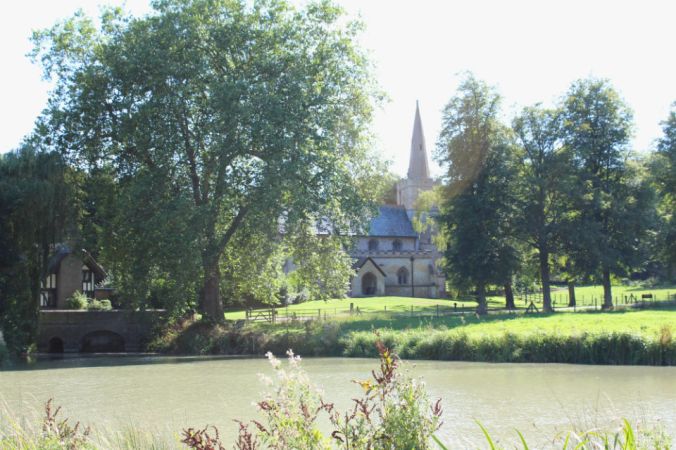
From the other side of the lake you can see the small church tucked in to the left of the drive. I have completed my walk and so I return back through the gates and up the drive to the hall.
IMG_1211.jpg

Madingley Hall is an institute of continuing education and a centre for events and conferences. The 8 acre garden sits within an estate of some 12,500 acres; it is beautifully maintained and reads like a manual on garden history with the different areas reflecting the changing trends in design throughout the garden’s life. It is impressive too and thanks to the Head Gardener, Madingley has been opening its gates for the NGS for the past 27 years.

The NGS have worked hard to highlight the connection between health and gardens, having commissioned the King’s Fund a few years ago to publish a report. My visit today endorsed the feeling of well being that a garden can induce and after such an enjoyable and peaceful afternoon, I left the Hall in a better state of mind than when I entered.

IMG_1207


Pembroke College, a peaceful and pretty peramble. (1/18)

It is just over a year ago now that I began to blog about my garden visits. The first was Robinson College, Cambridge and I remember being surprised it was open on 2nd January. It is still very much open for the NGS and I thoroughly recommend a visit:  Robinson College

However finding myself back in Cambridge in that awkward time between Christmas and New Year I stumbled across yet another college garden. Having spent a happy morning in the excellent Fitzwilliam Museum I was just wondering what to do next and how to avoid the throng of ‘salesaholics’, when I found the 14th Century gate of Pembroke College conveniently open.

The site is made up of a series of interconnecting enclosed spaces and the well established gardens are very much part of the fabric of the college. I  entered via the porter’s lodge on Trumpington Street (just left of the horses below).

Pembroke_College,_Cambridge_by_Loggan_1690_-_gbooks_prG_KpObd3UC_PA80-IA1.png

Bird’s eye view by David Loggan 1690

Pembroke is the third oldest College in Cambridge and I began in the medieval Old Court. It was indeed a haven of calm, away from the jostling crowds of shoppers.  The lawn, like green baize, stretched out serenely, so smooth it was of course strictly out of bounds.  So I followed the paving  right handed and walked towards the chapel.

DSCF7155.jpg

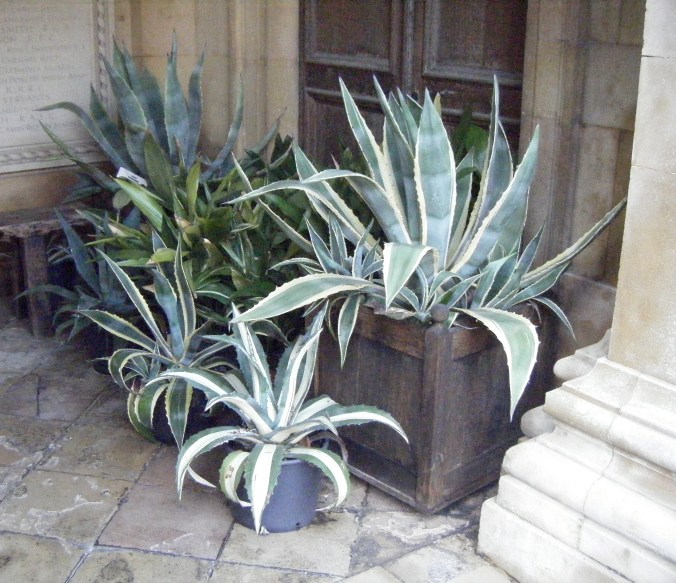
A group of agaves huddled together seem to wave at me, and cause me to pause for a moment to read the many names on the war memorial tablet. The chapel here was Christopher Wren’s first building.

DSCF7160.jpg

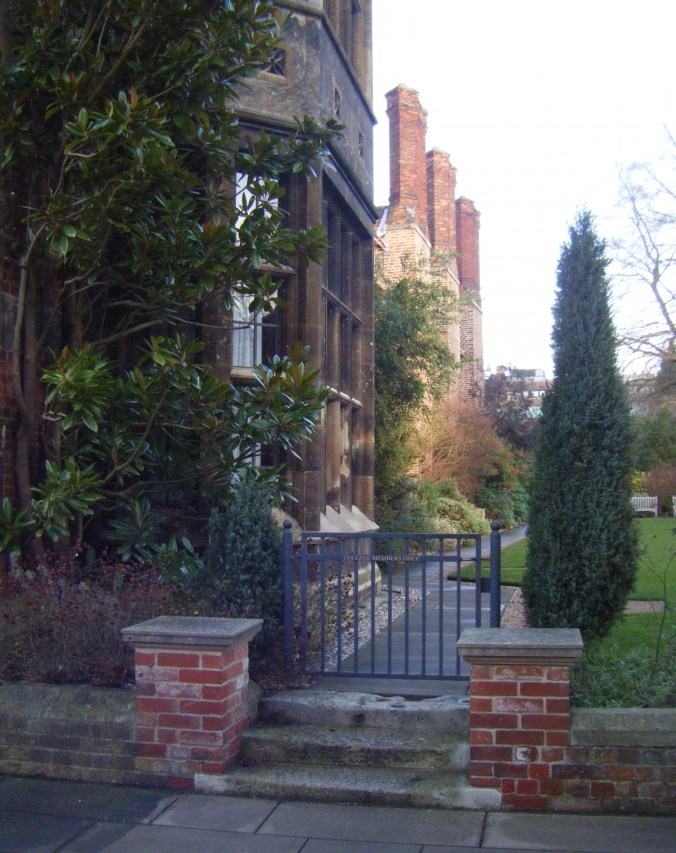
The upright growth of the Juniper ‘sky rocket’ seems to echo the tall chimneys, and although the little gate is closed,


DSCF7179 (1).jpg

access to the next court can be gained via a ramp; a simple feature and one I wish more gardens would employ; unless you have a wheelchair you have no idea of the importance.

So many roses are still flowering in December and will look even more colourful together with the catmint during the summer months.

DSCF7184.jpg

Behind the chapel is the Victorian Red Building; four petalled flowers in stone grace the lower parts of the building,

DSCF7166

whilst in the border across the lawn the real white petals of the hellebore are bright against the dark soil.

DSCF7168.jpg

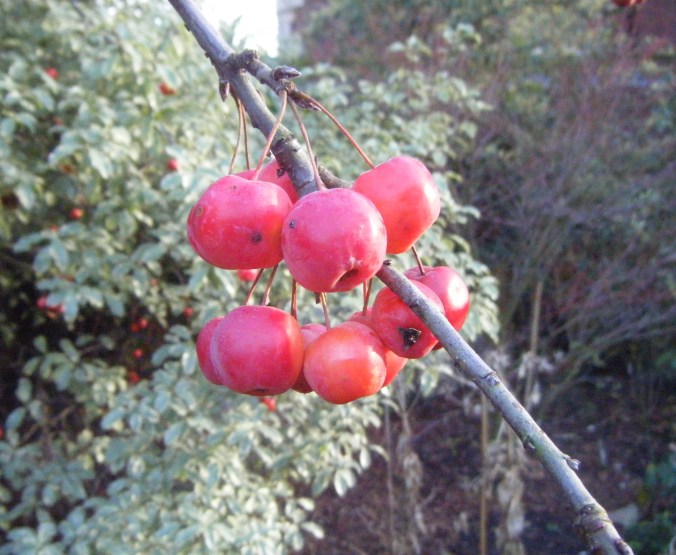
The crab apples of Malus robusta Red Sentinel look as fresh as they might in the autumn.

DSCF7175.jpg

Moving round to the library lawn, I should show you the entire fine statue of William Pitt, who sits with his back to the library, but it is his foot that fascinates me pointing as it does towards the neat square turf.

DSCF7196.jpg

The gardener has been here for 50 years and the many varieties of well-tended shrubs cheer up a corner here and there and providing interest during these bland winter months; either grouped together,

DSCF7202 (1)

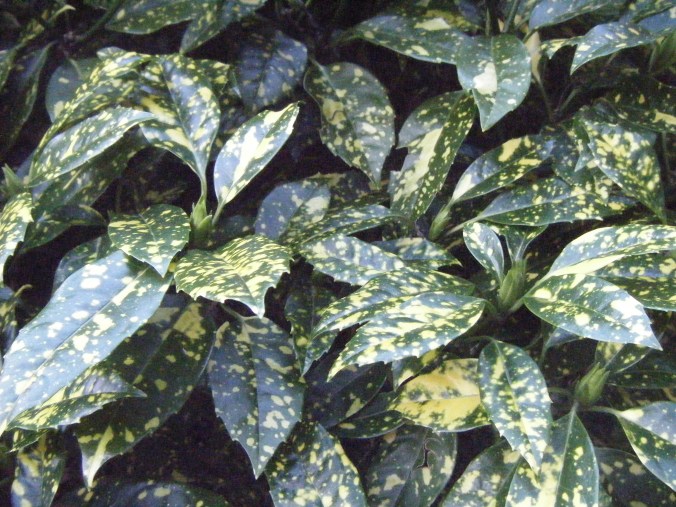
or planted singly, like the bold and trusty evergreen Aucuba japonica, with its splattered leaves… did someone once spill their cream?

DSCF7195.jpg

Choisya ternata ‘Sundance’ illuminates a shaded pathway,

DSCF7204 (1).jpg

and the bluish-leaved melianthus major makes a handsome combination with the purple-leaved pittisporum.

DSCF7207.jpg

Nearby the berries of Nandina domestica are abundant and joyful. This is a plant that I had never previously come across, and am grateful for the coincidence that it is profiled in this month’s The Garden magazine.

DSCF7208.jpg

I thought these were outdoor decorative christmas baubles until on closer inspection I realised that they were the dried fruits of the pomegranate, punica granatum. 

DSCF7220.jpg

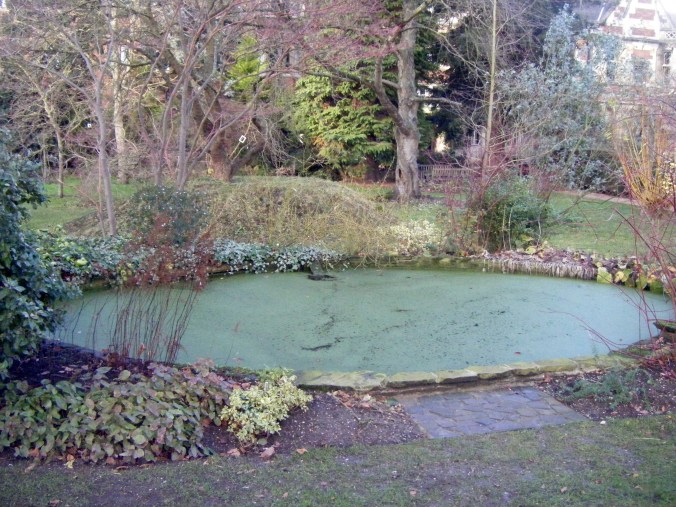
Moving northwards away from the library court is an informal area, known as the Orchard.  Medlars and mulberry grow behind the viridescent round pond which was created from a wartime water tank,

DSCF7224.jpg

A great avenue of mature London Planes, their upper boughs a tangled pattern against the wintry blue sky.

DSCF7228.jpg

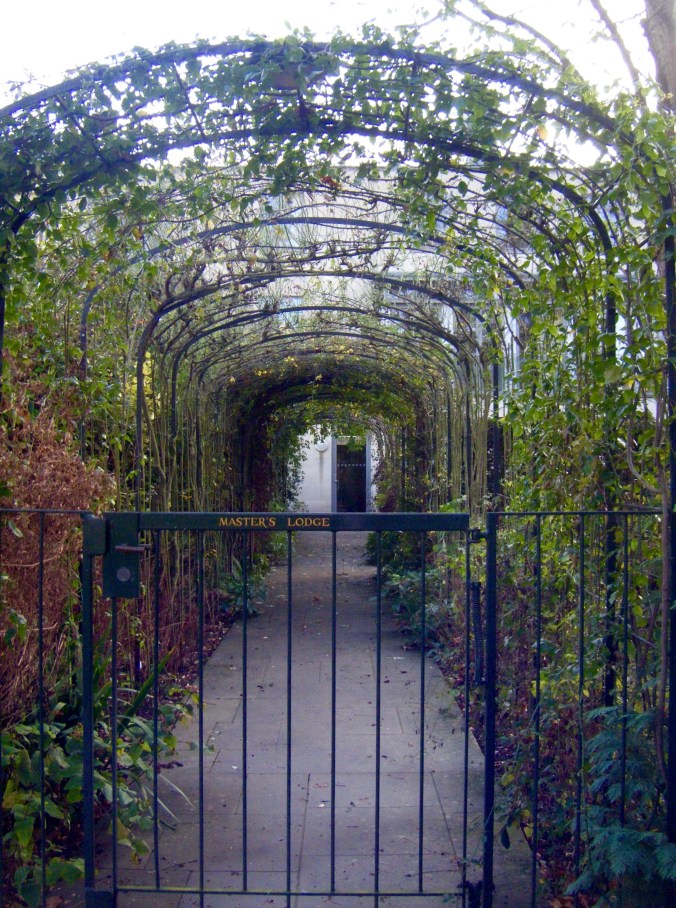
An arbor provides a little mystery to the entrance of the Master’s Lodge. Whilst the nearby Fellows’ Garden remains closed today,

DSCF7231.jpg

the Foundress Court bordered on two sides by the newest accommodation, is wide open and the Henry Moore Figure in a shelter 1983 is for all to admire.

DSCF7234.jpg

Foundress Court has a strong connection with Nihon university in Japan, something which is perhaps suggested in the design of the inner courtyard.

DSCF7240.jpg

A simple pot, almost a modern still life, does much to break the monotony of the smooth walls.

DSCF7239.jpg

Leaving the new build I walk towards the ancient bowling green; considered to be not quite the oldest in Europe it is however unique in having a ‘rub’, that is the ridge that runs down the centre. The green is only for Fellows to play which they do with wooden bowls that go back to the 18th century and are sliced rather than spherical. Notices implore us not to walk on this precious ground but there are plenty of benches placed all around for those of us who must be content to sit and admire.

The aged tulip tree Liriodendron tulipifera is bursting out of the paving.

DSCF7251.jpg

Over the hedge is New Court, originally built in the fourteenth century when it was known as First Court, where students play croquet on the lawn. A delightful area, it is surrounded on three sides by a low stone wall border made up of many unusual plants complimented by a delicious variety of decorative shrubs against the court walls:

DSCF7281.jpg

The graceful catkins hang down from a Garry elliptica, 

DSCF7263.jpg

and the silvery grey Teucrum fruticans flows down to the paving.

DSCF7278.jpg

A splash of colour is provided from the bright berries of cotoneaster.

DSCF7270.jpg

Ridley’s Walk is named after Bishop Nicholas Ridley, one time student, Fellow and Master who was martyred in 1555 for his faith. I am sure the Bishop would be pleased with the diversity of plants growing along the walls which even includes a mature banana tree, Musa basjoo; obviously happy in the warmth of this corner it has  been known to have borne fruit.

DSCF7293.jpg

The walk leads into the final garden, Ivy Court. Simple in its layout with ten clipped yew, and four grass quads, there is in fact not a single leaf of ivy.

DSCF7324.jpg

Another cunningly devised ramp takes you up into the arch.

DSCF7326.jpg

Disabled access in fact ends here but it has been a delightfully easily-accessible garden, with it gentle ramps and smooth paths of generous width.

DSCF7153

I am back at the beginning in the Old Court. Many Abutilon grow against the warm walls of this ancient college, and on this chilly but bright day this little gem looks particularly charming as it grows through the branches of a ceanothus.

DSCF7329.jpg

And finally, there is the Solanum jasminoides, a member of the potato family; it looks most decorative on the window ledge under the reflecting pane of glass.

DSCF7332.jpg

So much there has been to enjoy in this garden in mid-winter, and it could be said that if I had been allowed, I would have found many flowers to pick for a fine ‘nosegay’ today.

With new notebook in hand and a camera from Father Christmas I am all set to visit the many gardens to be open in 2018…


——-Jan 2018——-

Robinson College: Old with New and Mistletoe too. (1)

I was very surprised to find a garden open for the National Garden Scheme on Monday 2nd January.  So with Christmas and New Year safely over for another year we set off on a bright but very cold day to  visit Robinson College, Cambridge. The first of my 90 garden challenge.

None of the familiar yellow signs were displayed because this is a garden open most of the year. Directed by the NGS Gardens to Visit book, we entered through the Porter’s Lodge.  It is the proceeds from the garden guide that you buy from the Porter which are donated to the NGS.  The guide is a complete joy and provides the history, a comprehensive list of the plants and maps:

DSCF7339

Entering the very modern courtyard we were disappointed to find the chapel with its John Piper windows was not open.

DSCF7426.jpg

The entrance to the garden was not terribly obvious and it took us a little while to figure out which steps to take.

Up and over a stairway we found ourselves in the college garden. It is icy cold and the bridge is a touch slippery. Leaving the main building behind us we crossed over the Bin Brook into what is an amalgamation of gardens from Edwardian to Modern.

DSCF7414.jpg

It is not specifically a winter garden as such but there was plenty of interest, either in the form of colourful bark,

DSCF7388 (1).jpg

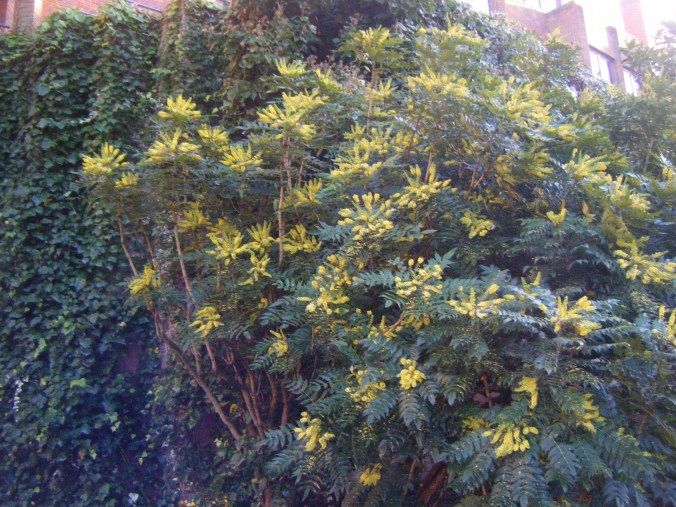
or winter flowering shrubs such as  Mahonia with yellow flowers exploding like fireworks.

DSCF7421.jpg

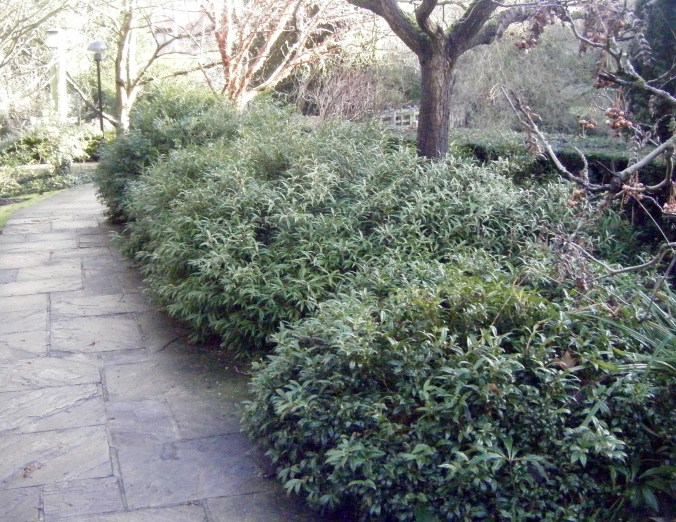
The Sarcococca or winter box generously lining the path was smelling a dream.

DSCF7387.jpg

Throughout the gardens there are plenty of places for scholars to sit, to think and to dream. Was the sail-like stainless steel sculpture meant to imitate the shape of the Wellingtonia (sequoiadendron giganteum ‘Pendula’) growing across the flat lawn. Or is it the other way round?

DSCF7390.jpg

“Sailing into the future’ by Philip de Koning

Also called the Weeping Redwood, this mighty tree is almost human in form and looks as if at any moment it might pick up its branches and lumber right across the lawn.

DSCF7394 (1).jpg

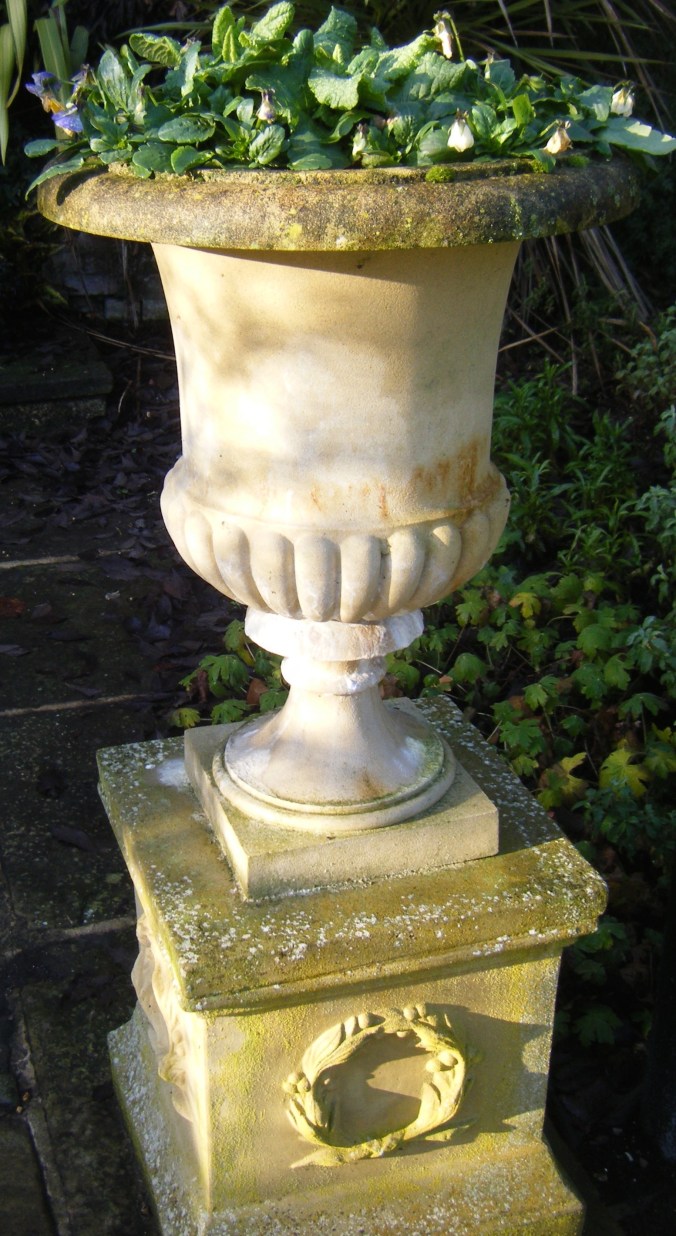
A beautiful vase stands in front of an older college building,

DSCF7391.jpg

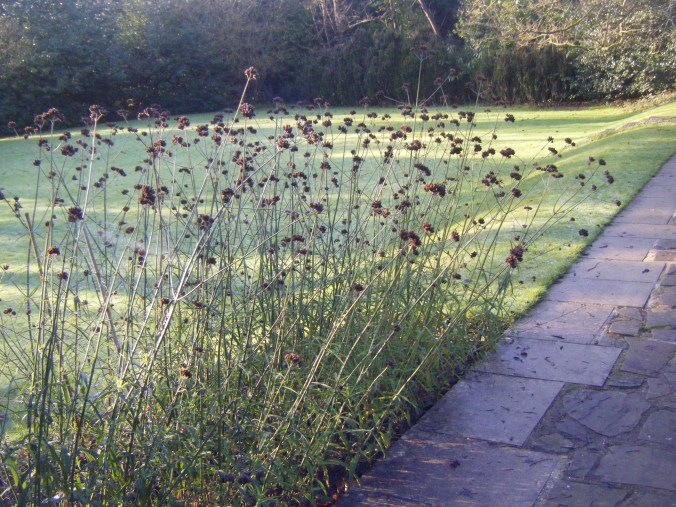
and to the side is a cluster of seed heads of Verbena bonariensis which add a little interest and highlight the smoothness of the green beyond.

DSCF7392.jpg

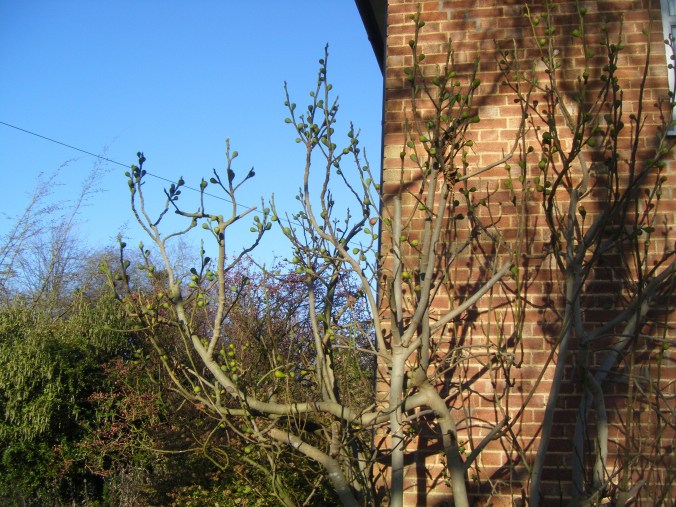
Even the unripened figs are a delight in the morning sun.

DSCF7396.jpg

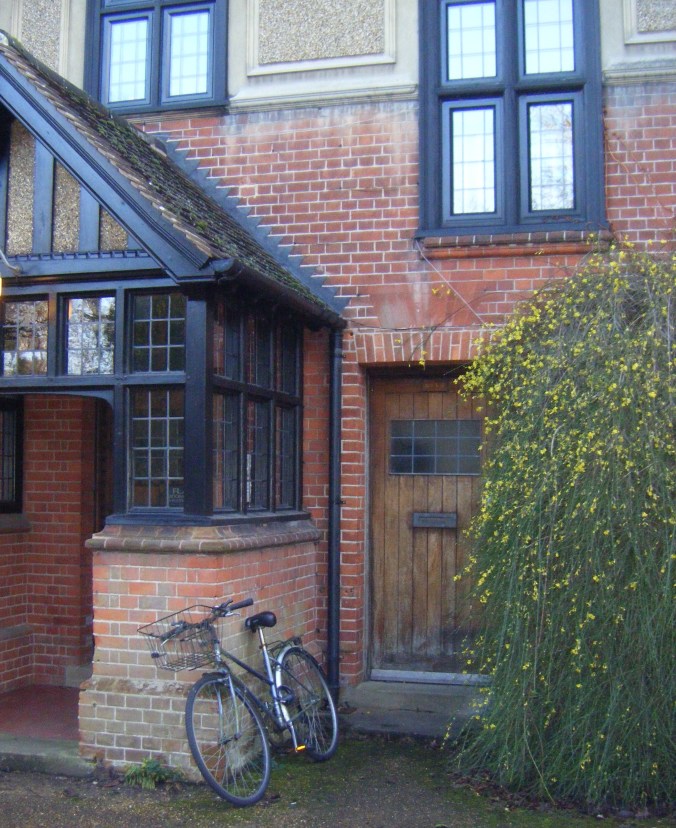
Not all the buildings are modern and at the entrance to this house is the inevitable bike with a Jasmine nudiflorum growing magnificently.

DSCF7395.jpg

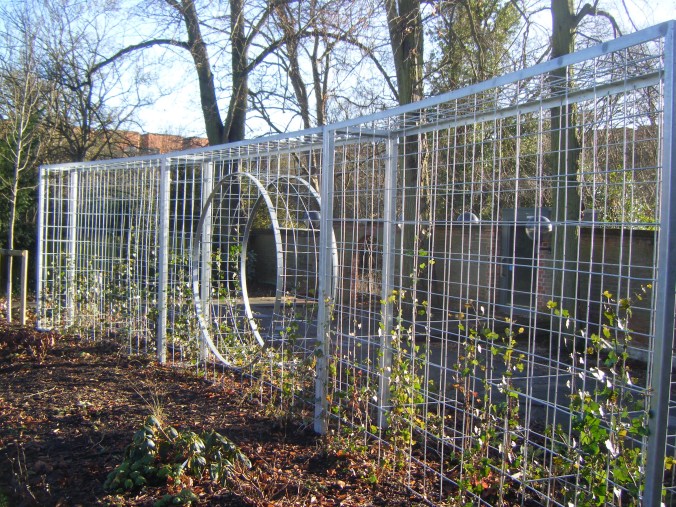
A metal fence with a central moongate not only provides a frame for the newly planted ivy Hedera hibernica to climb but also divides an eating area:

DSCF7399.jpg

The Bar table seems refreshingly modern but somehow keeps a natural feel. The giant golden oat Stipa gigantea brighten the border behind.

DSCF7402.jpg

Lutyenesque steps are an striking feature and also cleverly link a serious drop in ground levels.

DSCF7404 (1).jpg

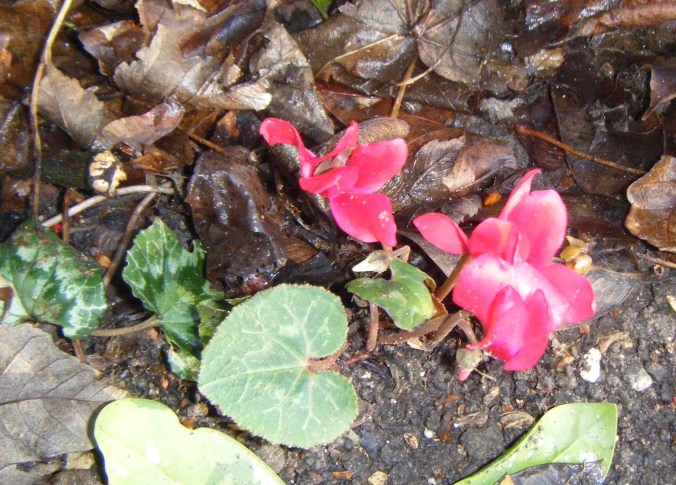
Round the corner a splash of colour catches my eye, cyclamen so small yet so bright:

DSCF7405.jpg

Old, old espaliered apple trees stretch their boughs along the straight path.

DSCF7408.jpg

The outdoor theatre was created in memory of Maria Bjornson a celebrated stage designer. The empty stage now waits for its next summer performance:

DSCF7409.jpg

Mistletoe Viscum album inhabits the surrounding trees growing on the outside of the college grounds; always so high up in the branches and out of reach,

DSCF7411.jpg

within the garden it grows on the apple trees at eye level. You just don’t appreciate how very pretty it looks; the opaque berries are enchanting.

DSCF7412.jpg

We were the only visitors in the garden that morning except for one Japanese student,  the odd squirrel, a noisy cock pheasant and much to his surprise, and ours, a muntjac deer. Sited on the other side of the pond and viewed from many angles are two ghostly objects apparently in silent communication:

DSCF7406.jpg

“Conversing Figures” by Christophe Gordon-Brown

We return to the main college building. It is the juxtaposition of the old and the new which is so striking; an aged tree lies propped up in front of the modern red brick building.

DSCF7423.jpg

The sound of rushing water can be heard as it travels under the many levels of brick  passageways,

DSCF7418.jpg

and it is the many layers of gardens that have been so absorbing. We have enjoyed the sculptures and the spaces throughout the garden; the enclosed and the open, the wild and the tamed, the formal and the relaxed with a huge variety of plants and trees. It is  a perfect garden for the scholar not just to sit, study and contemplate but also to eat, watch and even to act. We look forward to returning in the summer.

——-1——-