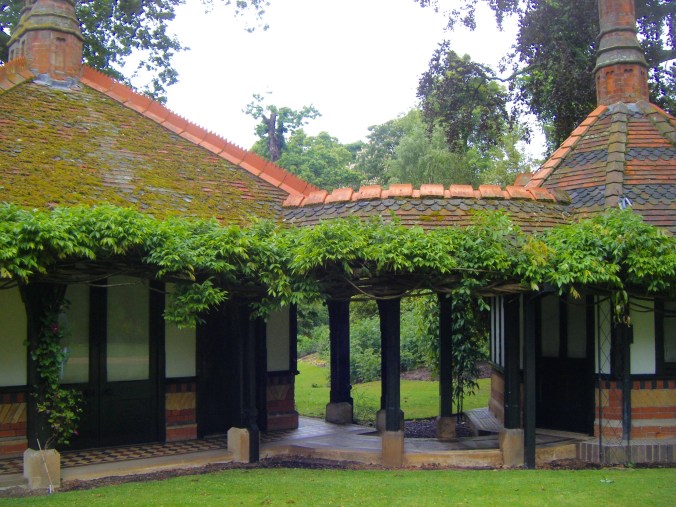
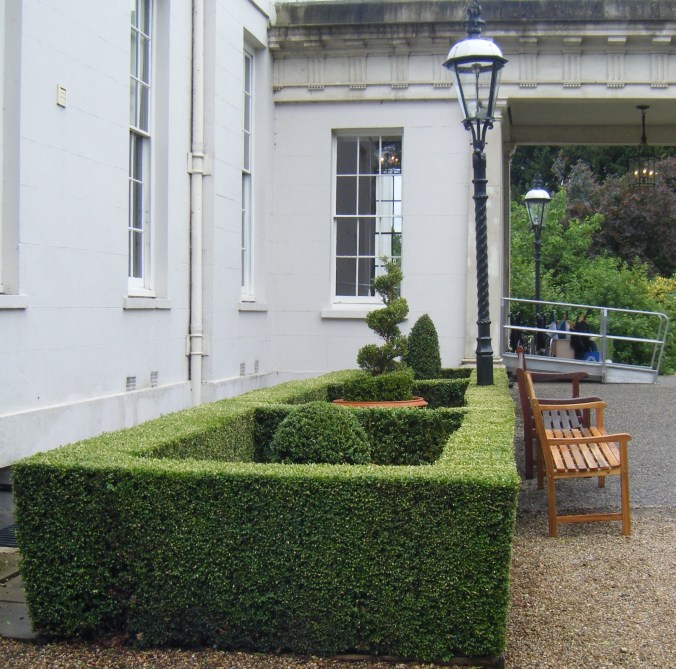
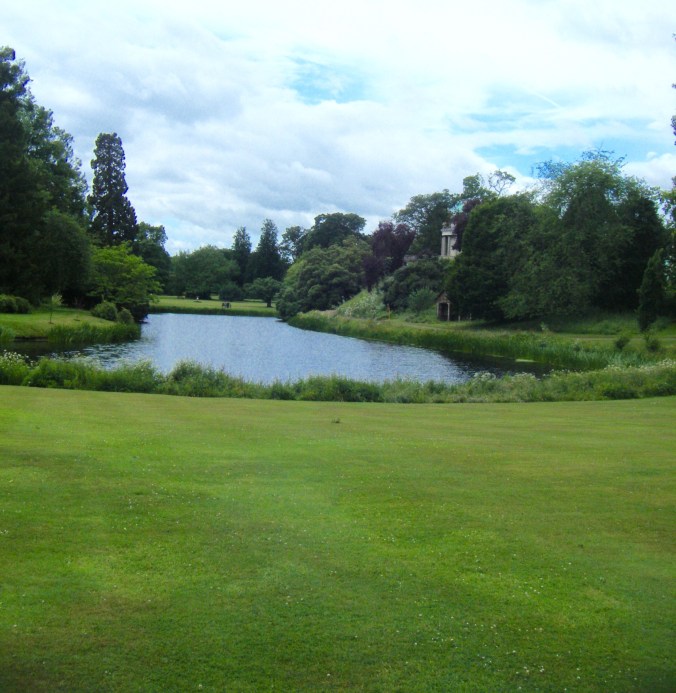
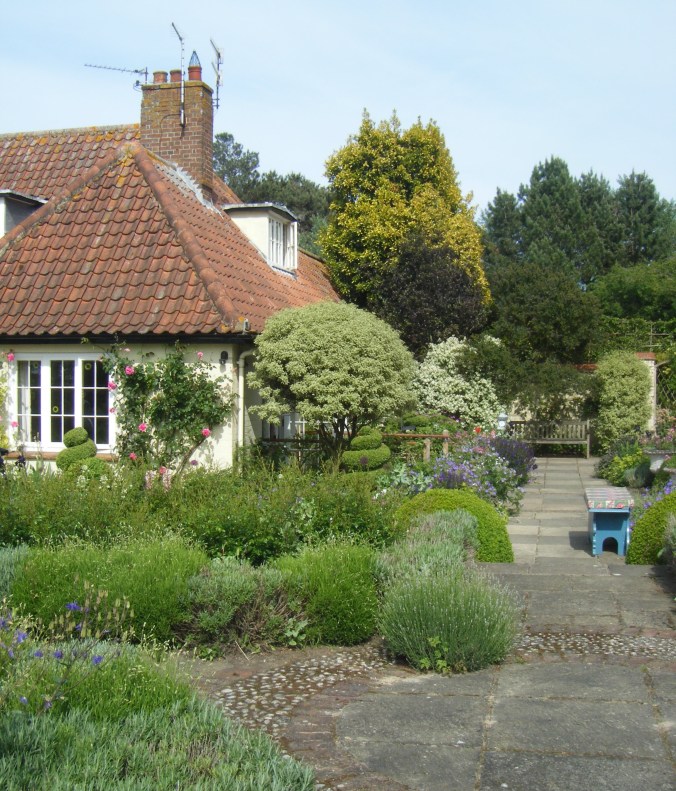
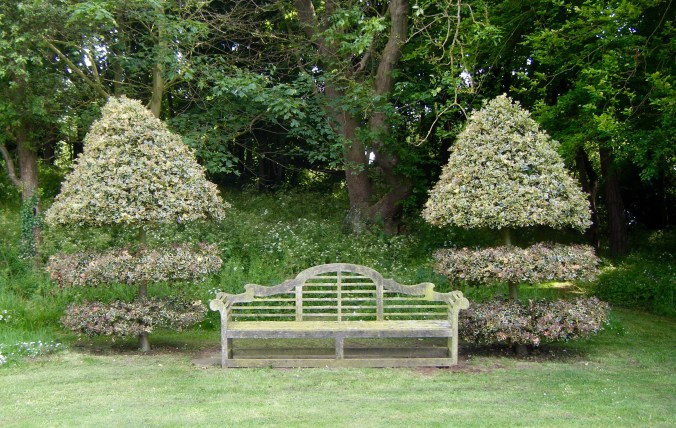
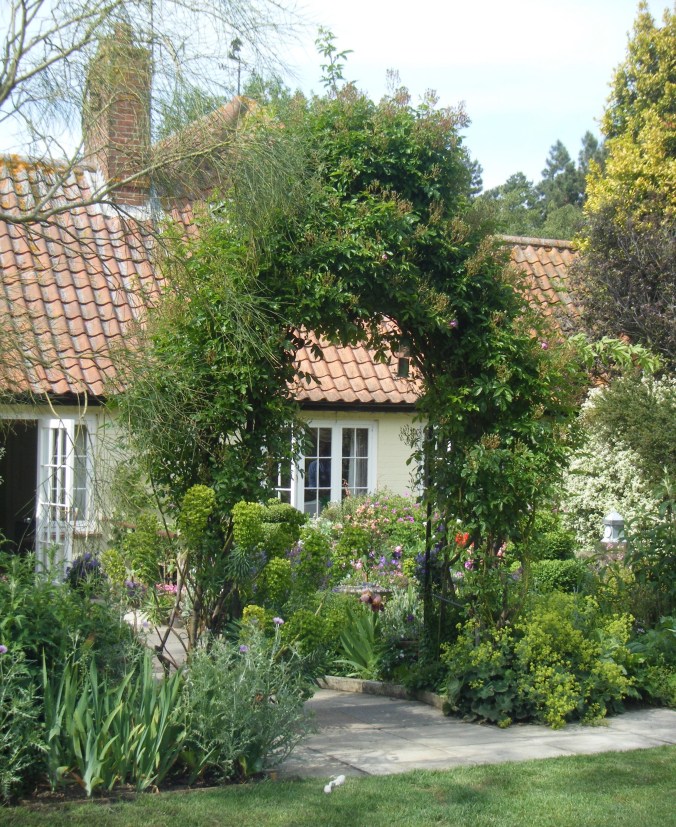
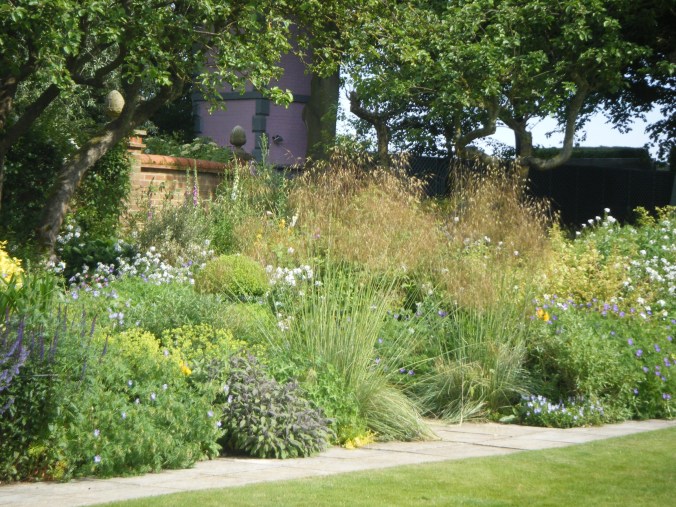
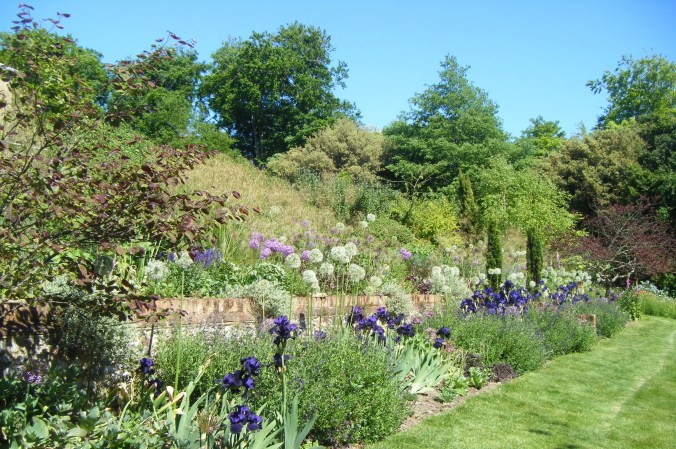
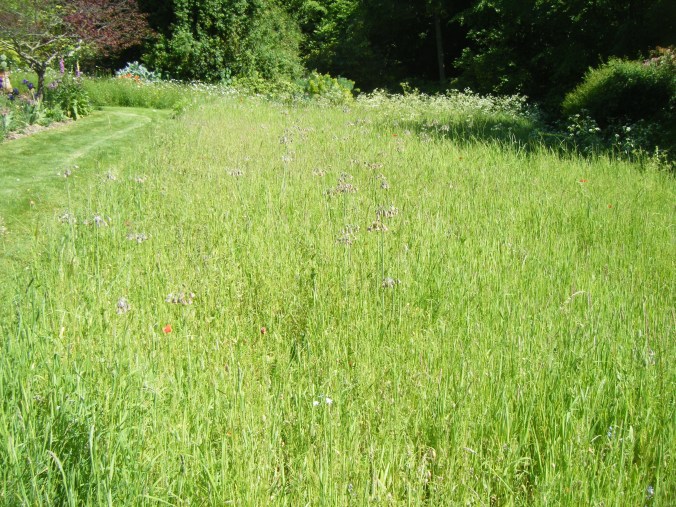
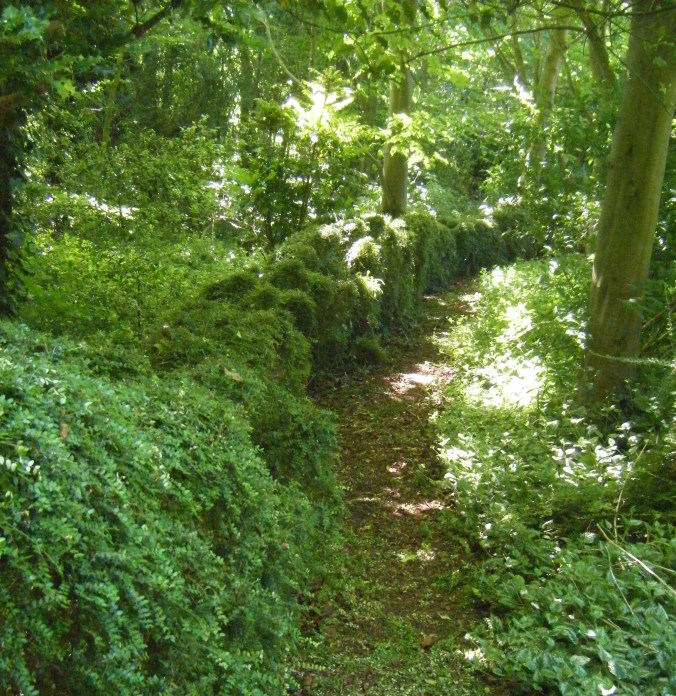
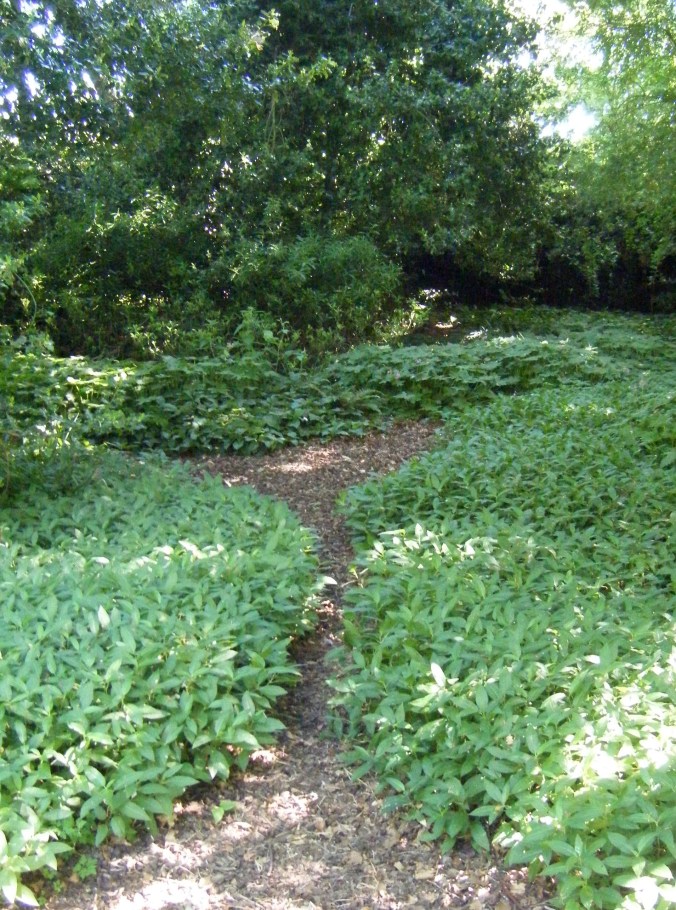
The Charterhouse, charming and cheerful. (46)

The Charterhouse is an old almshouse situated in Charterhouse Square in the City of London.

Screen Shot 2017-06-13 at 06.32.02.png

Evening openings with the NGS are fun and with the promise of a BBQ, how can one resist?

DSCF1849

It has a rich history; Carthusian monastery, wealthy nobleman’s house, almshouse and school.

The Brothers were originally those who could supply ‘good testimonye and certificat of theire good behaviour and soundnes in religion’ those who had been servants to the King ‘either decrepit or old captaynes either at sea or land, maimed or disabled soldiers, merchants fallen on hard times, those ruined by shipwreck or other calamity’.

Now it is a community of about 40 single healthy, over sixty year olds who are in need of financial and social support.

A Brother greeted us at the archway and we made our way in from the square.

DSCF1778.jpg


Passing hidden passageways,

DSCF1843.jpg

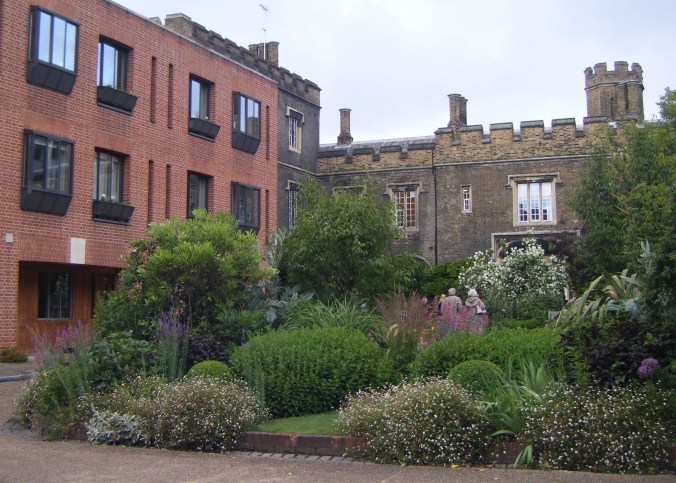
we enter the first of the courtyard gardens. A modern building on the left, is in juxtaposition with the medieval buildings which surround the square.
DSCF1783.jpg

Head Gardener Claire has been here since 2009.  With a delightful mix of planting, she has restored what was originally a rather run down area.

DSCF1784.jpg

We take the mown path through the centre.

DSCF1785.jpg

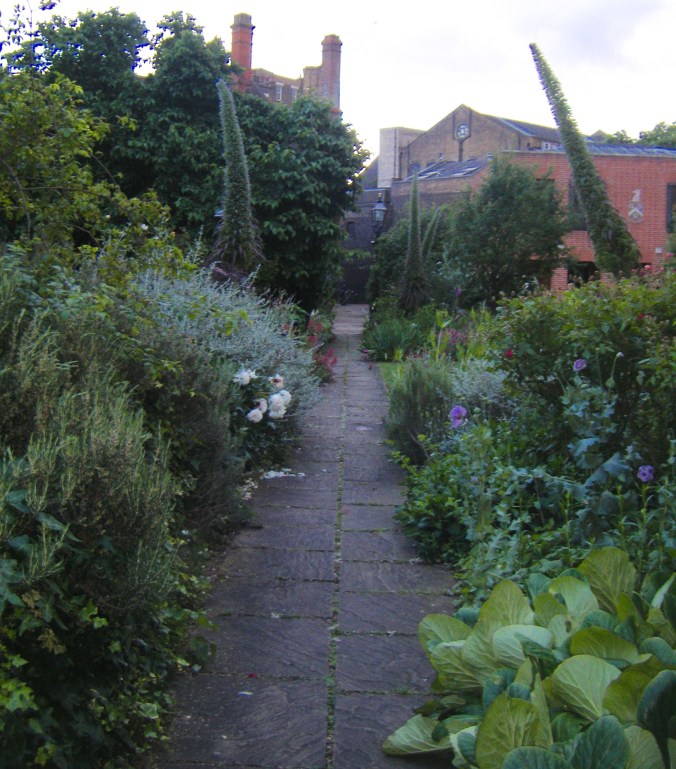
Visitors are amazed as they gaze up at the lofty giant viper’s bugloss, echium pinnifolium.

DSCF1789.jpg

More echiums seem to wave at us from amongst poppies and roses in the early summer borders.
DSCF1794.jpg

On the ground, a water lily shyly pops up its head.

DSCF1788.jpg

I am confused by the term ‘brother’ but quickly understand that it is a purely traditional term for those living in this community, acknowledging the past when there was a monastery on the site. Females now live here too.

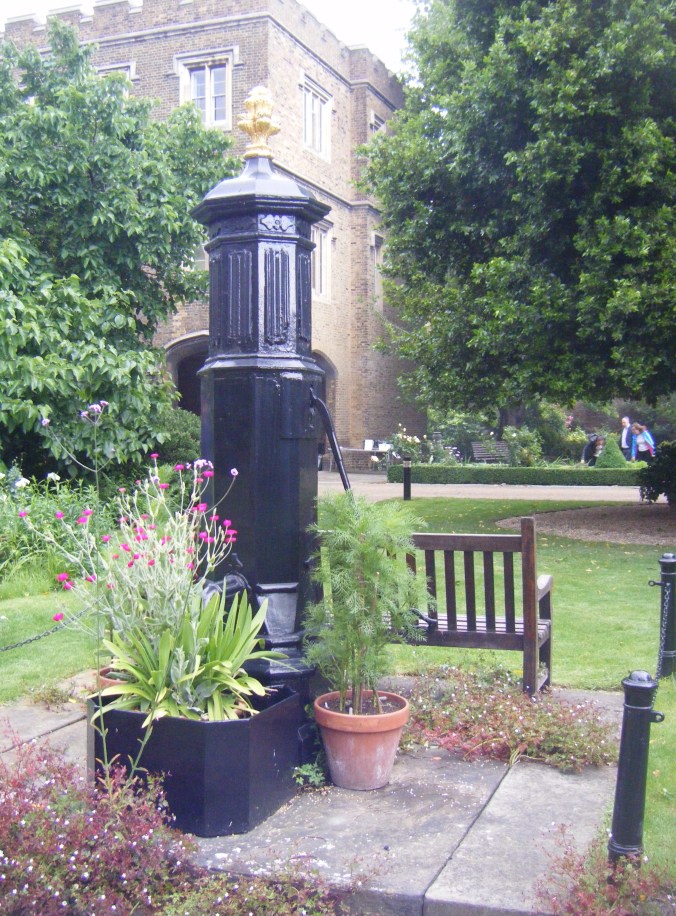
Brother Gordon to whom we chat by the pump, points out that there is an air raid shelter lying silently  under the lawn. He asks us where we are from and tells us that he was once a singer, and made his debut on Cromer Pier with Ronnie Corbett. Just a few weeks older than the Queen, he is still entertaining his audience.
DSCF1787.jpg

A bench is sited in the shade of a spreading holm oak where one can view the pleasant garden beyond.

DSCF1790.jpg

The barbecue is getting going and smells delicious. Before we partake, we decide to look around the rest of the garden because the clouds are typically threatening.

DSCF1791 (1).jpg

There is also scent from the mock orange, a pretty philadelphus.

DSCF1795.jpg

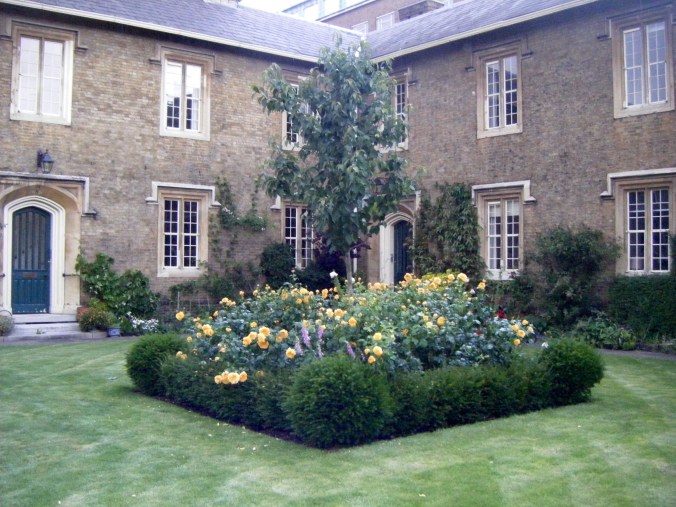
The next courtyard, known as Pensioner’s Court is slightly larger. It is private for residents only and a magnolia fills one area of the lawn,

DSCF1798.jpg

and arum lilies grow under a window.

DSCF1796 (1).jpg

Roses spill over the box squares situated in two of the corners.
DSCF1799.jpg

There is a splash of colour along the walls.

DSCF1804.jpg

The third and final courtyard is a more relaxed and informal.

DSCF1806.jpg

A wildlife garden; Bees are kept here,

DSCF1807.jpg

and bugs encouraged,

DSCF1813.jpg

and the all too important compost bins are tucked away.

DSCF1808.jpg

A fine large London Plane stretches upwards and dominates the space, and now hurrying to shelter from the rain under the archway, Brother Tim informs us that it is the tallest in London.

DSCF1814.jpg

The garden ends here. A door in the wall will take you out to the Clerkenwell Road, now busy with the evening traffic.

DSCF1822.jpg

And although we might be in a deliciously green space, a Narnia type haven, we are in fact in the heart of the City of London.

DSCF1825.jpg

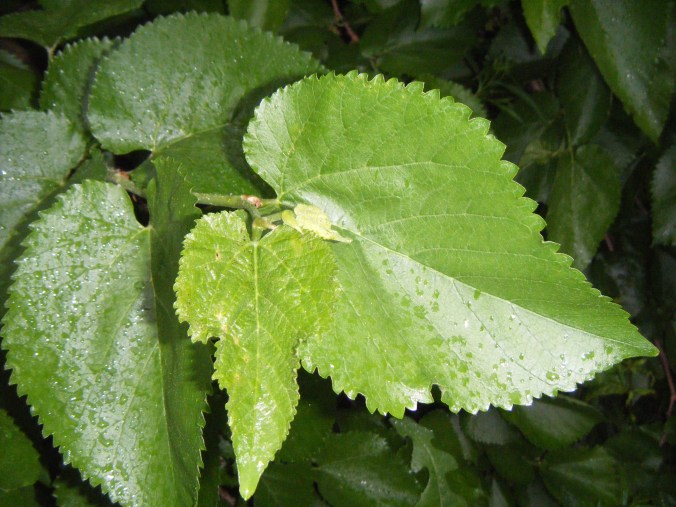
It is really raining now and sheltering under one of the many mulberry trees does not keep us dry for long.
DSCF1811.jpg

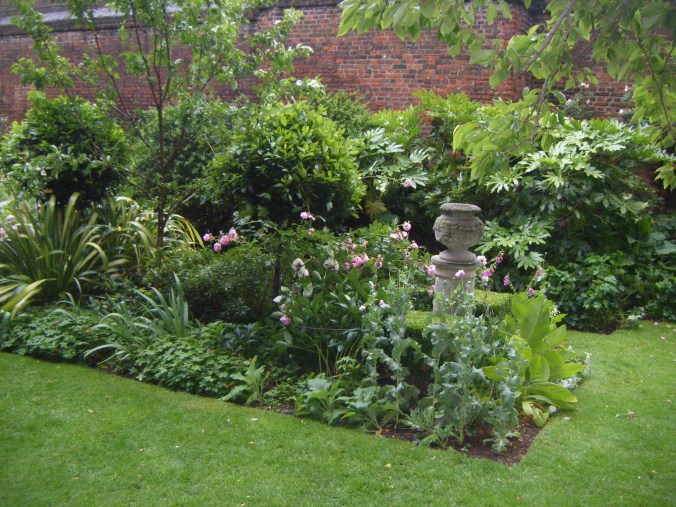
We join the barbecue prepared by the chefs; it is delicious and mercifully we keep dry under the cloistered way.  I decide to skirt around the old twisted tree to visit the little garden on the side.

DSCF1834.jpg

It has been charmingly laid out, the pink peonies and poppies look particularly good this evening.
DSCF1826.jpg

If you stand in the middle you can feel the size and take in the calm. Looking one way,

DSCF1827.jpg

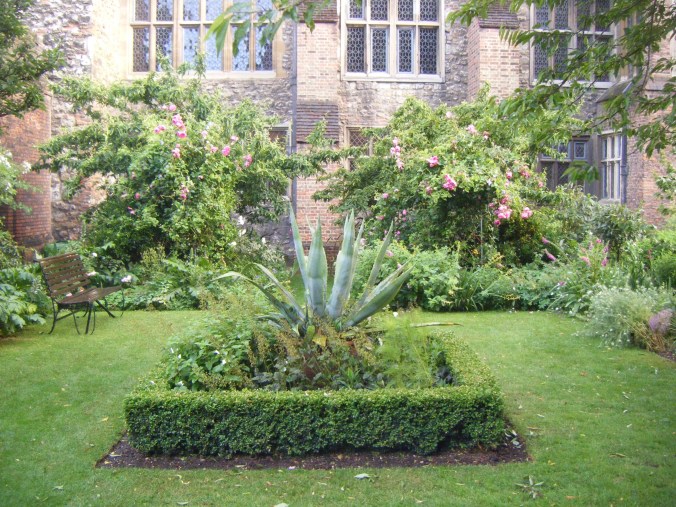
and then the other. Overlooked by the old Tudor buildings,
DSCF1829.jpg

a visitor enjoys the scene from beneath an umbrella.

DSCF1831.jpg

Despite the wet, the roses and clematis still look a picture.

DSCF1828.jpg

With the barbecue over and and the rain continuing it really is time to head for home.

DSCF1837.jpg

Before exiting into the square we take a glimpse of hidden courtyard.

It has been a delightful and unique visit and we are grateful to the community of brothers for sharing this hidden gem with us.

DSCF1848.jpg

——-46——-
Frogmore House and Garden; Wet, Windy and Forty Five. (45)

The rain was torrential last Tuesday and our windscreen wipers were going nineteen to the dozen as we drove down the M4.  Familiar yellow signs guided us through Windsor…….

DSCF1776

…..and in spite of the weather the garden gate was wide open at Frogmore. Open for charity just 3 days a year, they have been opening for the NGS for a noble 71 years. The rain did not seem to deter the visitor and many hundreds who had purchased pre-booked tickets braved the weather.DSCF1669

I was overwhelmed with the unexpected welcome awaiting me. Heather, County Organiser extraordinaire for Berkshire, Trustee AND Deputy Chairman of the NGS, was waiting for me and with her big smile she held up the notice she had prepared:

DSCF1774

We joined the garden history tour and gathering under a huge old crusty Indian bean tree, Catalpa bignonioides,  we stood for a sobering reflective minute silence remembering the victims of the recent terrorist attack.

DSCF1679

With the realisation that there really is somebody reading my blog, I felt compelled to concentrate. Our guide began her tour in front of the mausoleum and looking up at the grey building against a gloomy sky I am reminded of a poem by John Betjeman:

‘Oh Lord Cozens Hardy  Your mausoleum is cold,’

It is cold, and wet, but no Lord C-H lies here. Built just four days after Albert’s death in 1861 it is now reserved for members of the Royal family. Prince Edward, Duke of Windsor and his Duchess are laid to rest under an old oak tree.

DSCF1680.jpg

Frogmore House was acquired by the Royal Family in 1792 when George III bought it for his wife Queen Charlotte. They had 15 children, 13 of whom survived to adulthood and it became a retreat for the Queen and her unmarried daughters. Queen Charlotte had a passionate interest in botany which had begun when she lived at Kew in 1770s. She was instructed by Sir James Edward Smith the principal founding member and President of the Linnean Society of London.

Designed at the time of the ‘picturesque’ movement, the garden is not so much about borders of flowers but of trees and shrubs; in fact over 4,000 specimens many of which were introduced by Queen Charlotte herself and later by Queen Victoria.

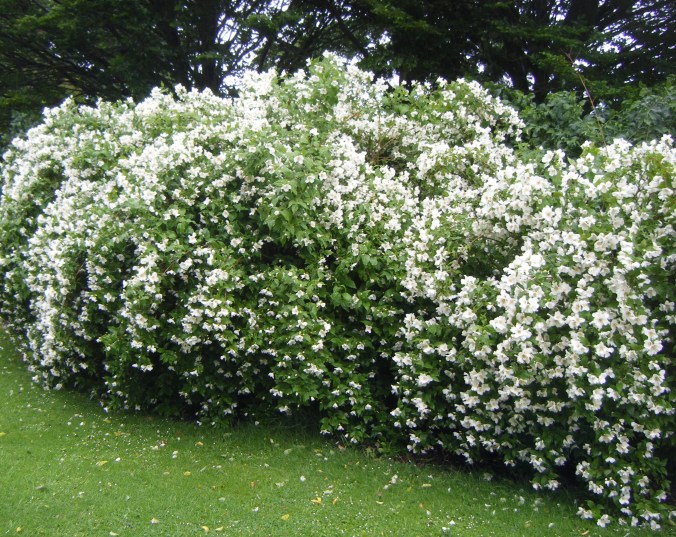
There are of course some flowers and the lovely Mock Orange, philadelphus is standing up well to the rain.

DSCF1666.jpg

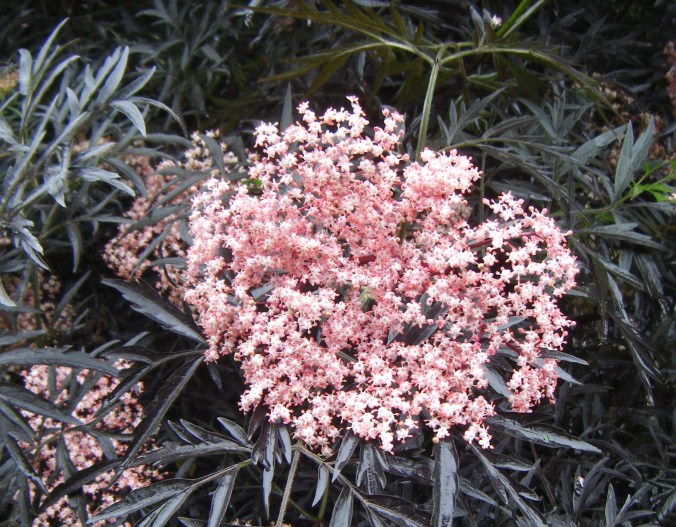
and so too are the pink flowers of the black elder, sambucus nigra.

DSCF1667.jpg

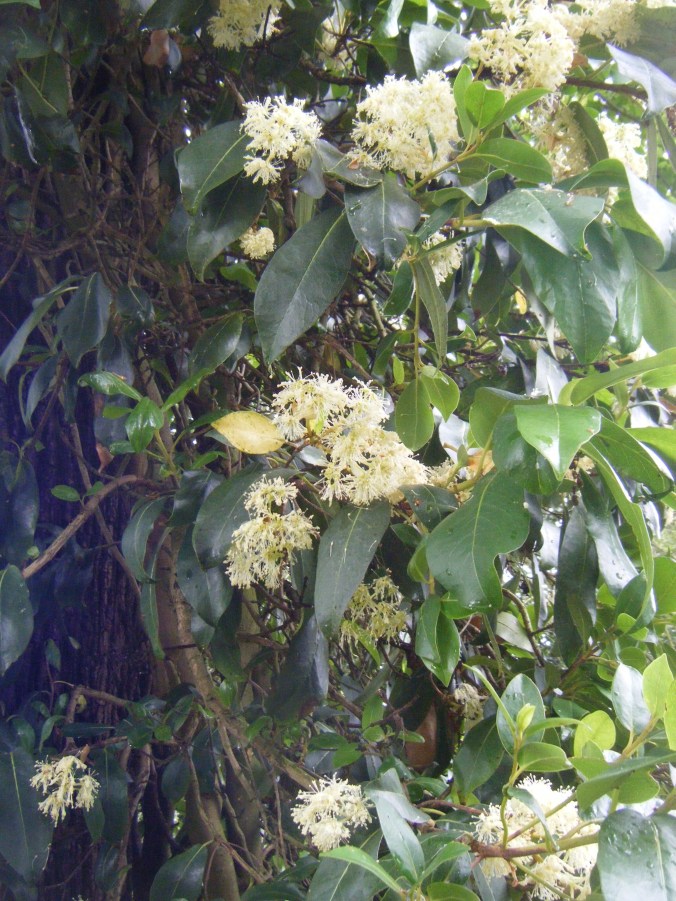
This climber from Chile hydrangea serratifolia is also in flower and it brightens a shady tree growing upwards effortlessly without any apparent means of support.

DSCF1746.jpg

The trees are well looked after, have plenty of space and are clearly labelled. It did take me awhile to identify this one,

DSCF1744.jpg

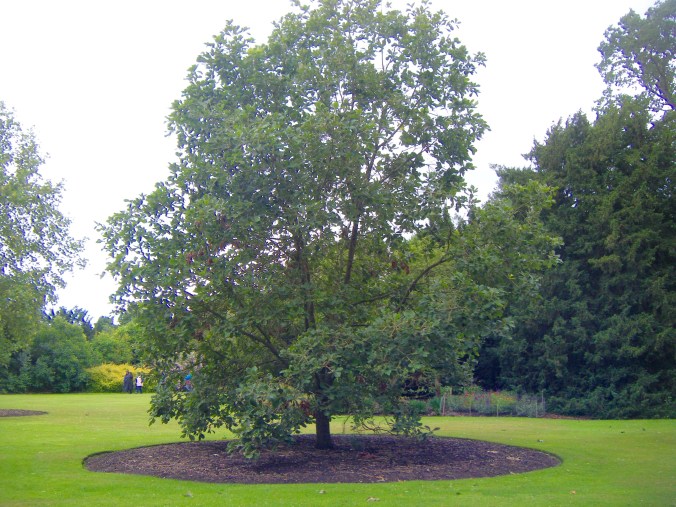
too obvious the label was at eye level; it is the Korean Oak sometimes called the Japanese Emperor Oak, Quercus dentata.

DSCF1742.jpg

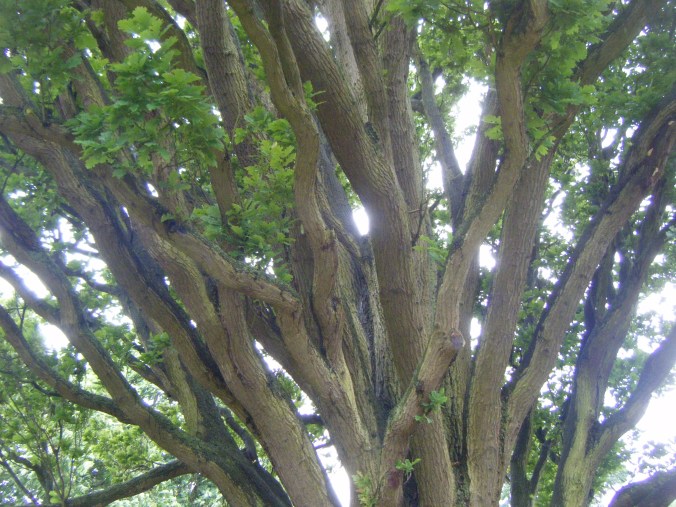
There are several types of oak and I love the multi branched Cypress Oak, quercus robur f. fastigiata,

DSCF1693.jpg

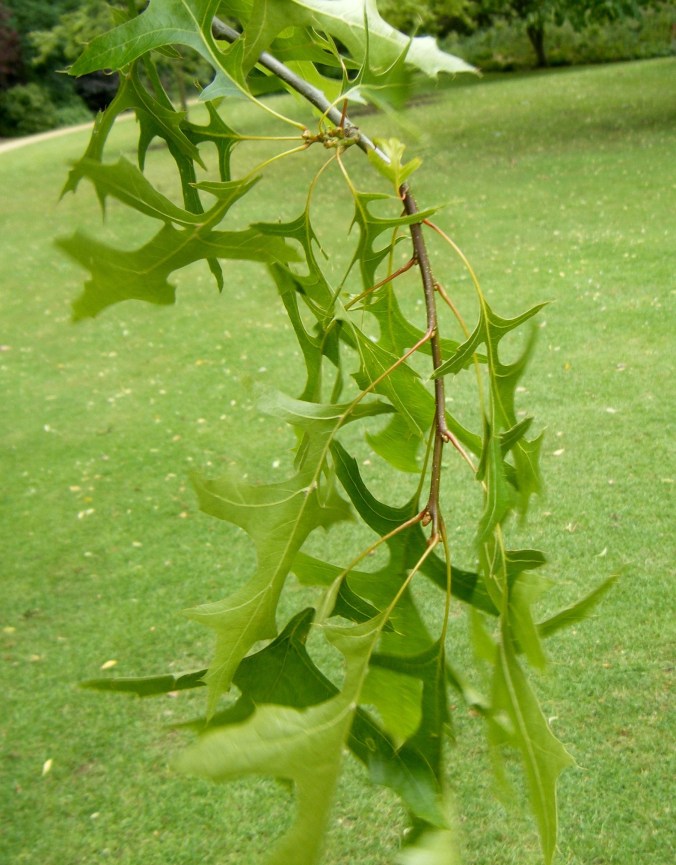
and the leaves of the Pin Oak, Quercus palustris, bend gracefully down.

DSCF1755.jpg


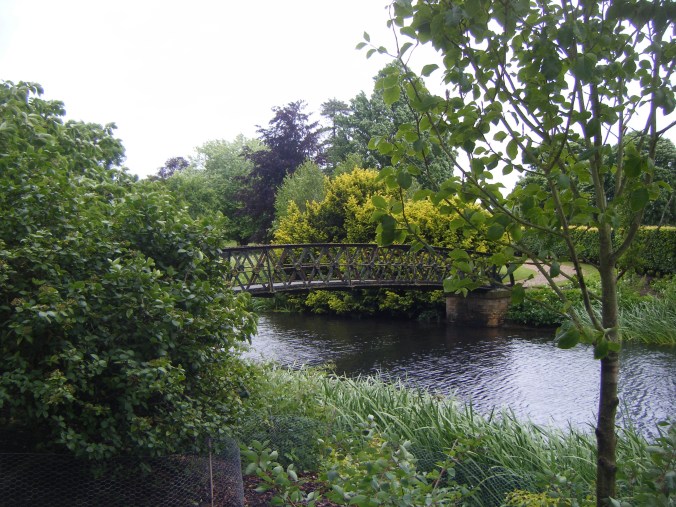
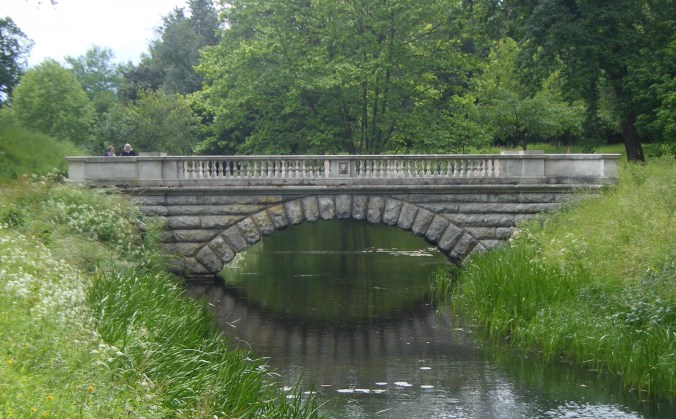
The lakes were dug and the mounds constructed when the garden was laid out at the end of the eighteenth century. The water in the lakes is run off  from the surrounding farmland and there is plenty of it. Paths weave a circuitous route around the 40 acres. Stepping over the iron bridge,

DSCF1690.jpg

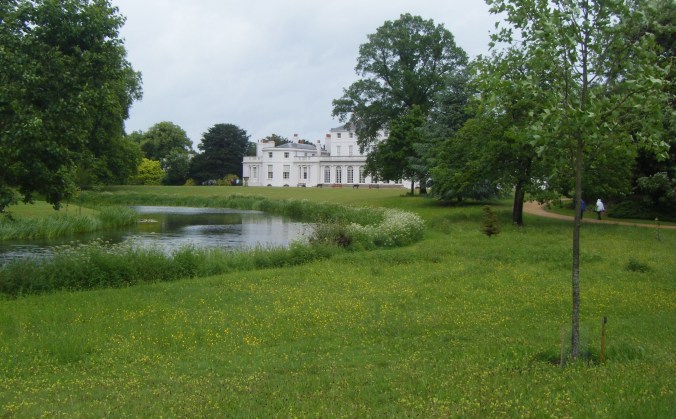
we glimpse a view of the house beyond the wild flower meadow.

DSCF1692.jpg

This was Queen Victoria’s favourite part of the garden. Here she would drive the short distance from the house in pony and trap accompanied by the faithful John Brown, to take tea served by her Indian servants.

DSCF1695.jpg

(Photo with acknowledgement from https://www.royalcollection.org.uk/visit/frogmorehouse/what-to-see-and-do/the-garden)

about_FH_0.jpg

Queen Victoria feared the crowds, but she was well away from them at Frogmore. By the house there is a developing scene, but it is only the foxgloves jostling for position eager to see a royal visitor.

DSCF1700 (1).jpg

We sympathise with the guide when she says the front of the house on the north side is more like the back with a functional entrance…

DSCF1702 (1).jpg

…whilst the back has an architecturally more pleasing frontage. It was James Wyatt’s first commission, and the one to launch his career.

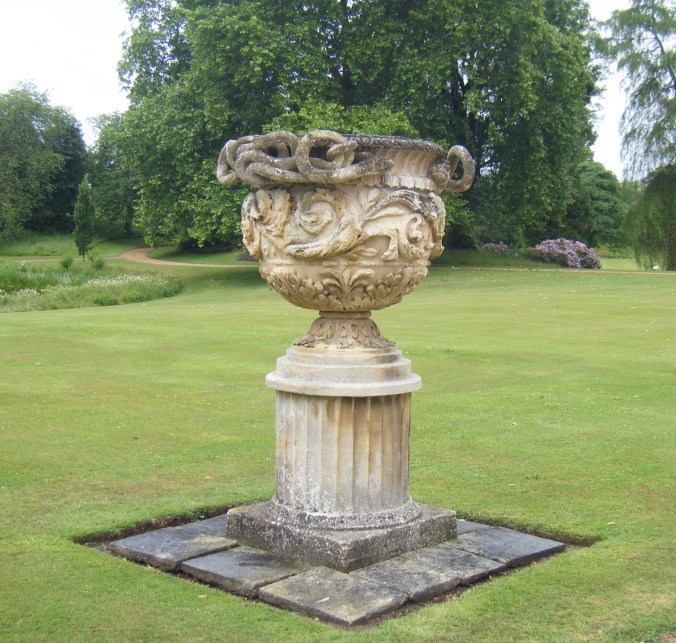
A pair of large majestic urns stand on the lawn.

DSCF1703.jpg

The view from here is indeed ‘picturesque’; the formal foreground leads to the serpentine lake and park in the middleground which then connects to the natural scenery in the far background.

The sky still looks uncertain but thankfully umbrellas have now been put away.

DSCF1706 (1).jpg

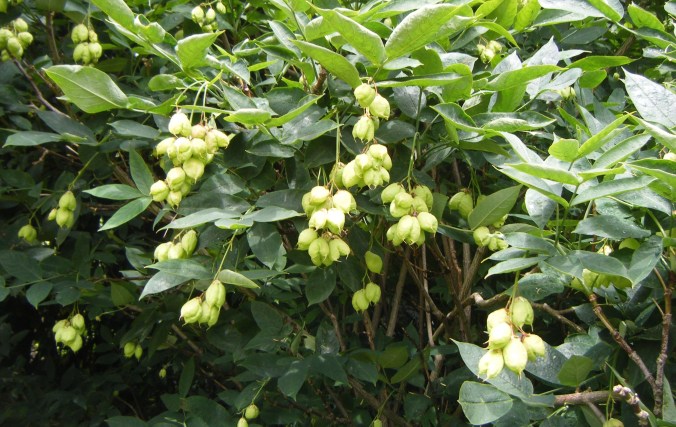
Following the path to the west of the house we pass the shrub border where we admire the bright green seed pods of the ivory-flowered bladdernut, staphylea colchica.

DSCF1724.jpg

Over a small bridge well clad with virginia creeper. parthenocissus quinquefolia,

DSCF1720.jpg

we arrive at the Gothic Ruin. Built as a ‘ruin’ and designed by James Wyatt it has stained glass but was damaged recently by a falling tree. This is where Queen Charlotte and her daughters would take their tea and Queen Victoria would enjoy breakfast. Just inside and discreetly placed is a dog bowl of water ready for a passing present day corgi.

DSCF1718.jpg

A visitor has already asked if the Queen’s children ever played on the water and the guide points out that this is the very spot where the young princes would launch their boats.

DSCF1710.jpg

Across the lake a driftwood horse flicks it’s tail; crafted by Heather Jansch the sculpture is in fact bronze.

Moving in a westerly direction we come to the Indian Kiosk installed to celebrate the relief of the Siege of Lucknow in 1857; this is the site thought to have been Queen Charlotte’s flower garden.  She not only learnt botany but was also instructed in botanical illustration by both Francis Bauer and Margaret Meen.

DSCF1711.jpg

At the end of our very informative tour we hurry over to the lawn where we find a gathering of nurses and their families from the Queen’s Nursing Institute. They had travelled here from far and wide, Rosie for example set off at 5am from Preston in Lancashire.

Head Gardener Neil leans nonchalantly on the sun dial (which came from Claremont House) while Heather makes a short speech praising the nurses as the unsung heroes of the community and explained that it was the idea to raise funds for QNI that was the inspiration behind the foundation of the NGS ninety years ago.

DSCF1731

Queen Victoria gave her patronage to the institute then known as the ‘Jubilee Congress of District Nursing’, so it was only fitting that the group be photographed in front of the house she so loved.

One nurse told me that it was great to have the link with the NGS because when visiting patients in their homes, conversations would inevitably turn to gardening.

DSCF1728.jpg

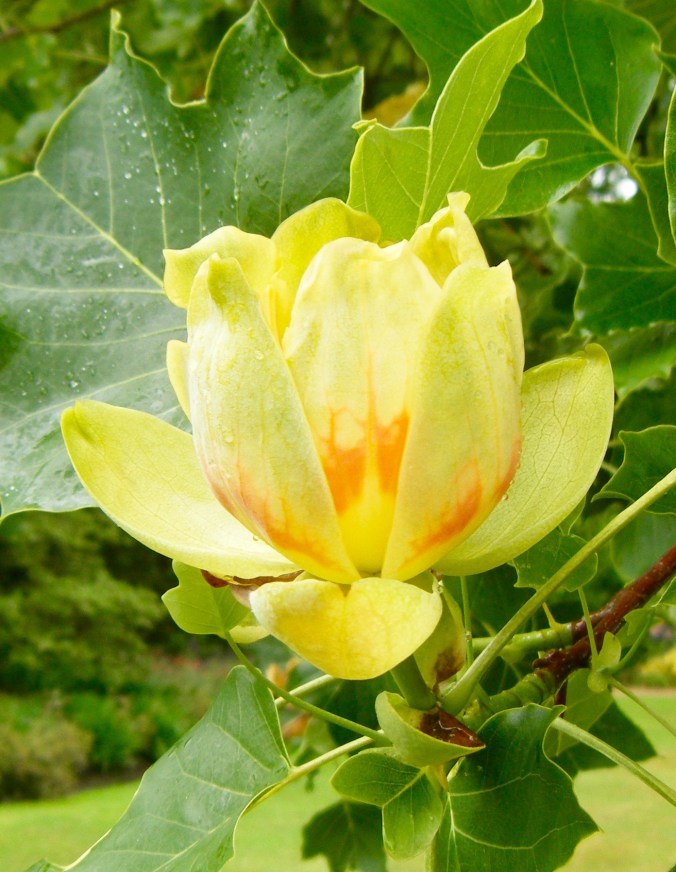
Not far from the group is the spectacular flower of the Tulip tree, liriodendron tulipifera it is a large tree but nearby grows a smaller specimen presented by the NGS in 2005.

DSCF1685.jpg

Frogmore House is open today and it is an opportunity to see inside. We wander back over a small bridge,

DSCF1748.jpg

and another,

DSCF1770.jpg

catching sight again of the gothic ruin.

DSCF1752.jpg

The house contains a large collection of botanical books once belonging to Queen Charlotte, and her floral interest is displayed throughout the interior. She commissioned Mary Moser, the renowned 18th-century flower painter and one of the Royal Academy’s founding women, to decorate one of the principal rooms to resemble an arbour open to the skies. We are not allowed to photograph inside so I have borrowed an oil on canvas © Royal Academy of Arts, London. Photographed by John Hammond.:

ocatc3cmracwniio53s5

Back outside it is brightening. From the lawn in front of the house we can see a building perched on the hill, it is thought to be inspired by Vanbrugh’s Temple of the Four Winds at Castle Howard.

DSCF1761.jpg

It has been such an interesting day. Every garden has it’s own history and none more so than this one. We have followed winding paths, viewed beautiful buildings in glorious grounds, all set in a very watery landscape. We have also enjoyed the good company of others. The sky is really blue now,

DSCF1762.jpg

it is just the cherry on the tree.

DSCF1765

College Farm, fields and fine views. (44)

It was on a sunny day in late May that I visited College Farm, Haddenham, not far from Ely in Cambridgeshire. Described in the Handbook as having walks, gallery and a sculpture cattle yard, it was looked to be an artist’s home.

A well organised operation was in force for car parking and, having left mine in the very long grass, I was grateful for a dry day.  Passing the pond and buildings I proceeded on the first walk in the field opposite.

DSCF1328.jpg

A white stone penguin pointed the way…

DSCF1329

Followed by an owl…

DSCF1332.jpg

Then further birds continued to mark the mown path,

DSCF1331.jpg

until I reached the sundial. A couple were seated on the bench there,

DSCF1339.jpg

waiting to see the kingfisher and enjoying the sound of chattering sparrows in the hedges behind the wild pond.

DSCF1336.jpg

Returning along the same path, I walked into the farmyard where a collection of sculptures was displayed under the cover of the old buildings.

DSCF1352.jpg

Pots of Sweet William softened the hard landscaped yard.

DSCF1353.jpg

Curly corkscrew hazel, salix matsudana ‘Tortuoso’ just seemed to grow out of the concrete.

DSCF1347.jpg

Pushing through the elderflower and willow I found more art displayed in a cattle shed.

DSCF1351.jpg

On the edge of the yard the lupins in the flowerbed provided a splash of colour,

DSCF1344.jpg

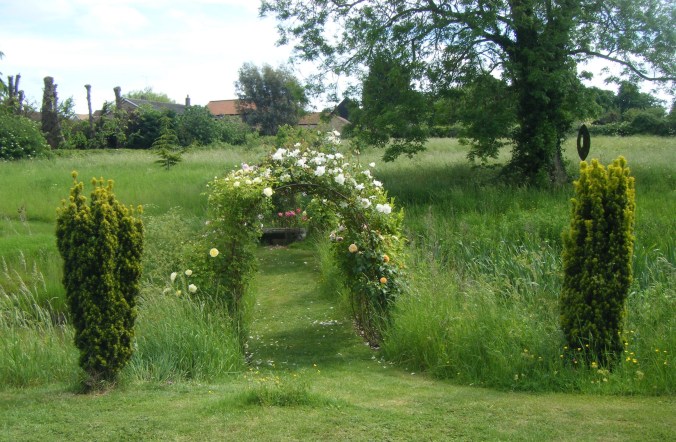
whilst the archway beckoned you to follow the path into the meadow beyond.

DSCF1356 (1).jpg

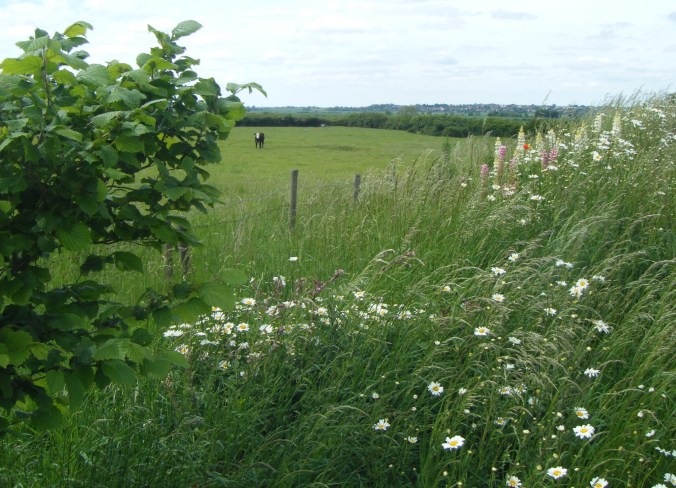
A bank of oxeye daisy, pale coloured lupin and hazel, framed the view towards the grazing cattle.

DSCF1357.jpg

Along a small ridge is the ‘Top Walk’ where I find the same couple who were sitting by the pond have beaten me to this bench.

DSCF1359.jpg

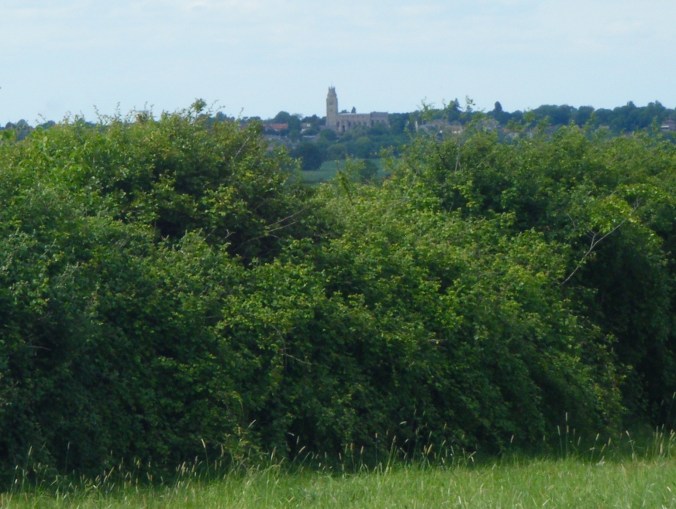
No doubt they are enjoying the fenland view towards the neighbouring church of Sutton.

DSCF1375.jpg

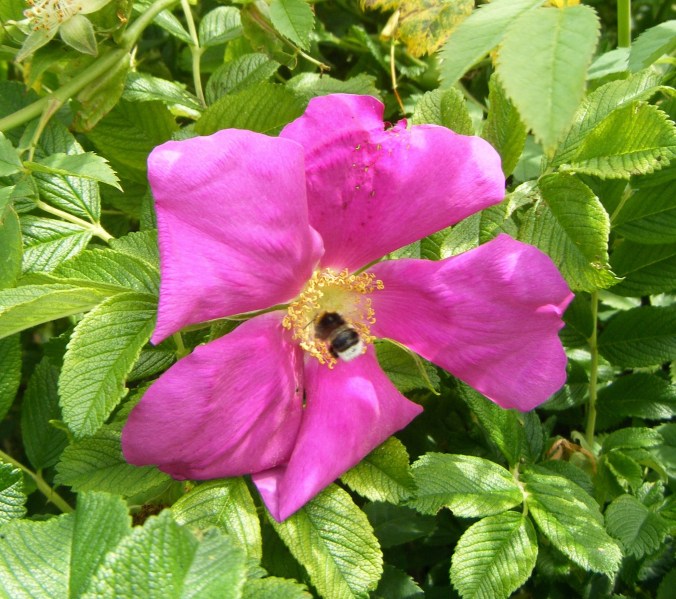
Rugosa roses are planted in groups along the walk, papery white

DSCF1372.jpg

the bright pink, which is favoured by a bee.

DSCF1376.jpg

There are wild roses too.

DSCF1373.jpg

I follow the path back to the meadow in front of the house. This lady has the best view of us all.

DSCF1380.jpg

Visitors flowed through the fields following the paths amidst the long grass. This path led directly back down to the house.

DSCF1384 (1).jpg

A line of silver birch trees, some weeping and others upright, have been planted in the field.

DSCF1383.jpg

Near to the house a ceramic sculpture hanging from a mature tree catches the light and reflects the assortments of greens that surround it.

DSCF1385.jpg

An archway of roses leads you over the stream to the lawn in front of the house.

DSCF1389.jpg

Looking back you can see it links the long grass of the meadow to the mown lawn by the house.

DSCF1396.jpg

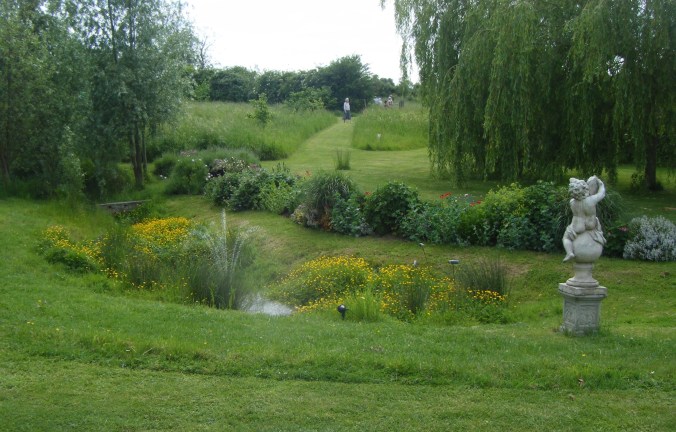
The pond, probably once trodden by cattle, has water lilies flowering at one end with the silvery willows reflected in the still water.

DSCF1392.jpg

Water spouts from a little fountain in a smaller pond.

DSCF1402.jpg

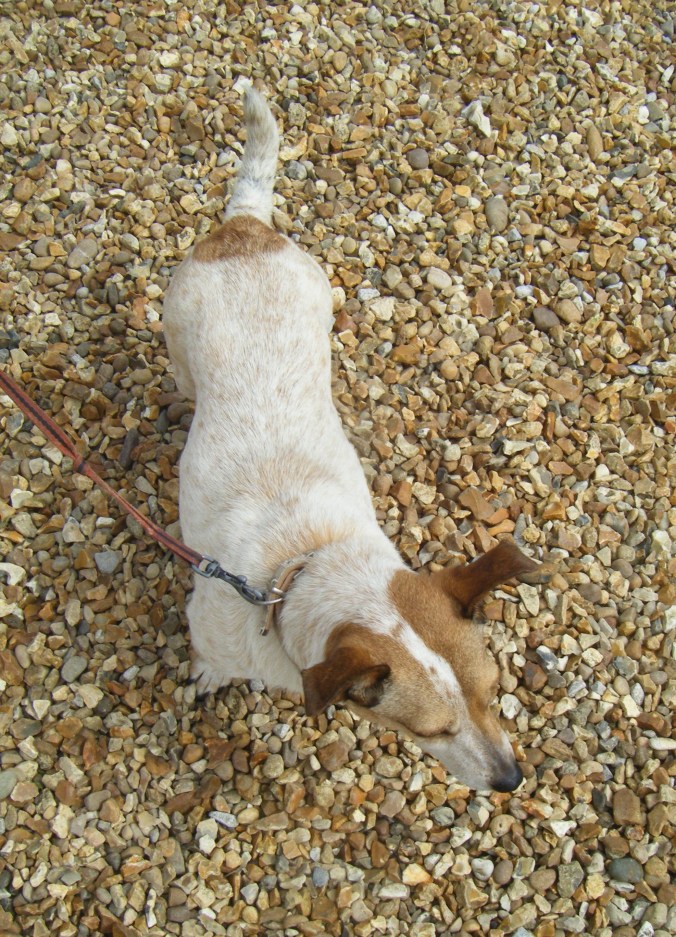
I meet Poppy the friendly resident JRT; she must be in heaven living here.

DSCF1400.jpg

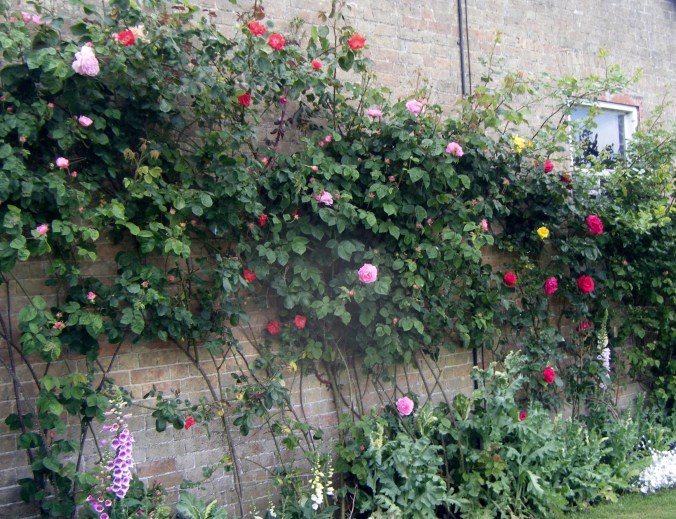
After visiting the gallery attached to the house, I return to my car passing  an artist’s palette of roses covering the wall of the farm building.

DSCF1411 (1).jpg

Again I bump into the same couple that I seemed to have followed around; we comment on the fact that it is unusual and indeed one of the few NGS gardens that we have encountered that does not serve tea. Of course it is a benefit for those of us who eat far too much cake, however on this hot day, that cuppa would have gone down well.

Feeling that we have passed the awkwardness of strangers I dare to ask if they have enjoyed the garden; a tiny pause is followed by their question of “What is a garden?” It is not until I return home that I find the answer to the question; Wikipedia says:

A garden is a planned space, usually outdoors, set aside for the display, cultivation, and enjoyment of plants and other forms of nature. The garden can incorporate both natural and man-made materials.

College Farm certainly filled that criteria; an artist’s garden displaying variety and talent, enriched by the natural farm setting.

Kettle Hill, Tamara’s Triumph (43)

Last Wednesday I visited Kettle Hill, situated high on a hilltop on the North Norfolk coast at Blakeney,  It was an event organised by the Norfolk Gardens Trust, an interesting body set up in 1988 concerned with the preservation of gardens and landscapes within the county http://www.norfolkgt.org.uk.

The garden looked glorious on this last day of May and it was a visit everyone could not help but enjoy. It was also an opportunity for me to visit the garden ahead of its opening for the NGS this coming Sunday.

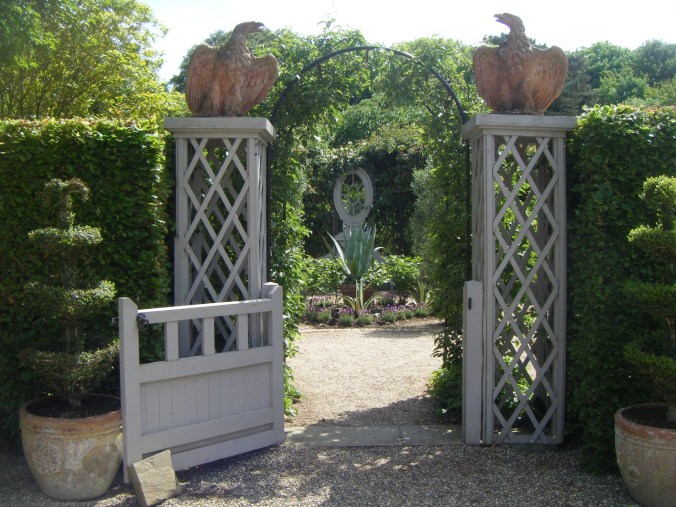
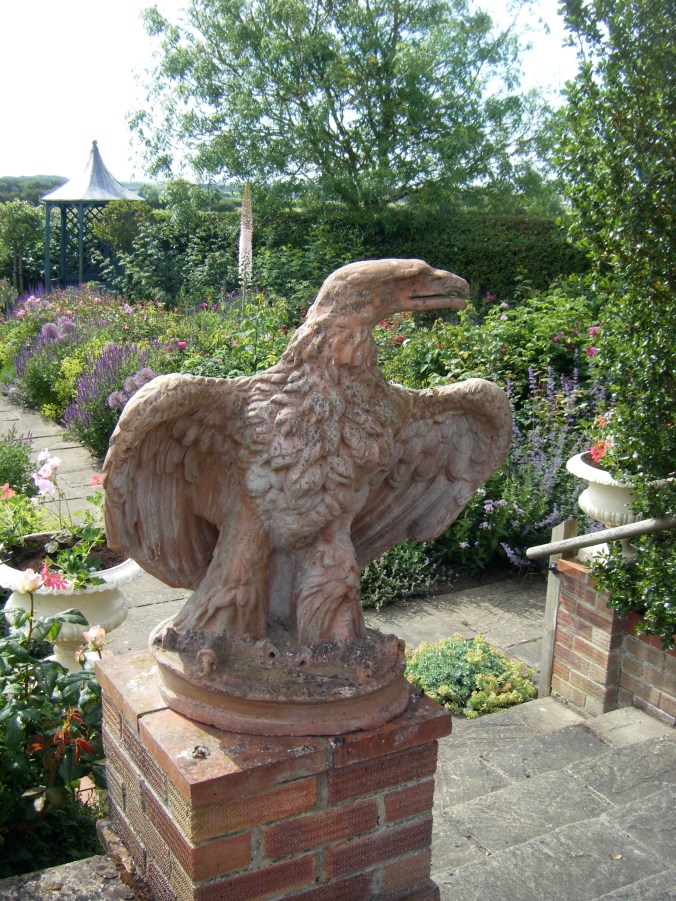
Not just any old garden gates, these impressive posts topped with eagles lead us through from the parking area to a mediterranean courtyard.

DSCF1519.jpg

A handy peacock proudly greets us in the corner,

DSCF1521 (1).jpg

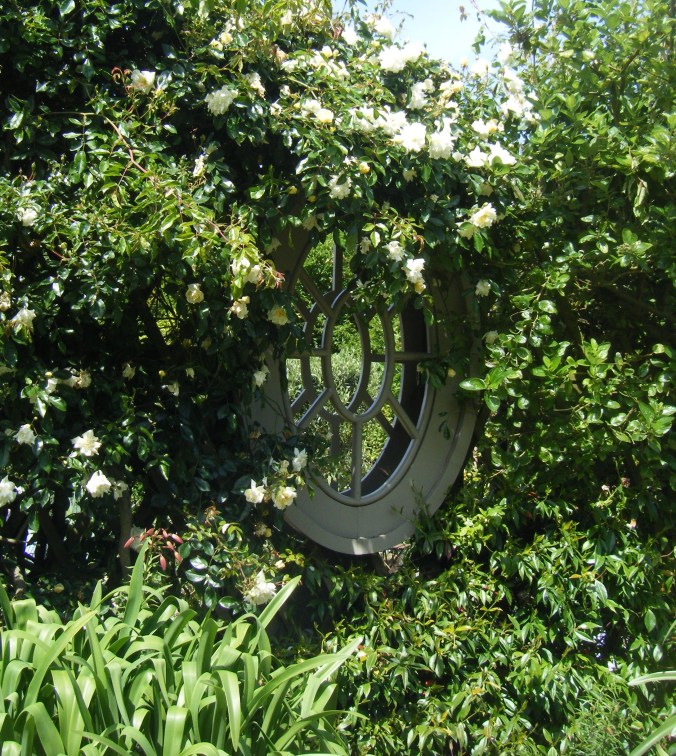
and an oval mirror provides a characterful focus amongst the roses.

DSCF1527.jpg

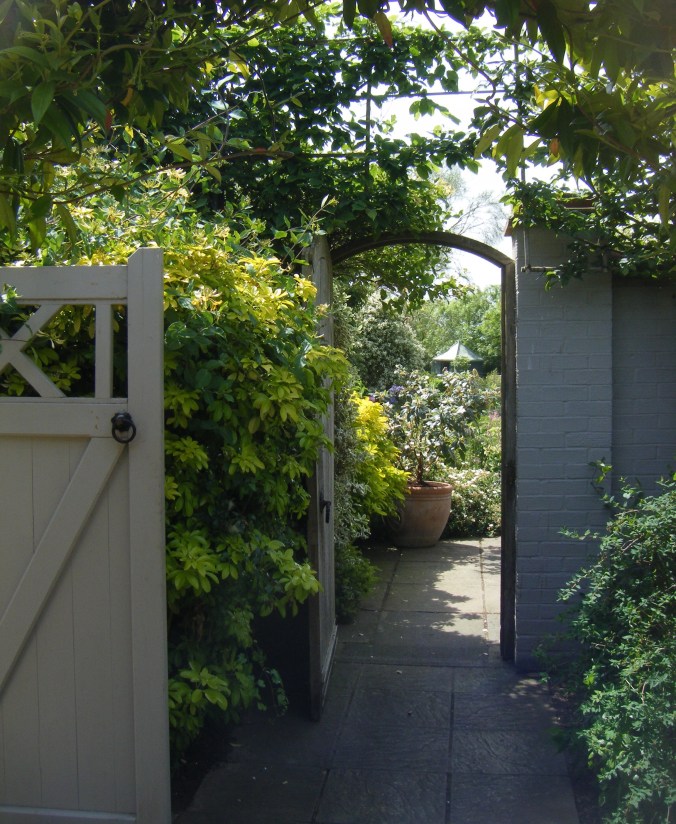
Paved pathways provide easy access for all. Mrs Winch, the owner is very much in evidence, she chats to guests as she glides around the garden on her electric scooter. We take the left hand gate and walk into the walled garden.

DSCF1523.jpg

We are delighted to find Tamara Bridge hot foot from her recent success at Chelsea. She was the 2015 RHS Young Designer of the Year and has worked her charm at Kettle Hill, contributing to the design originally made many years ago by Mark Rummary.

DSCF1525.jpg

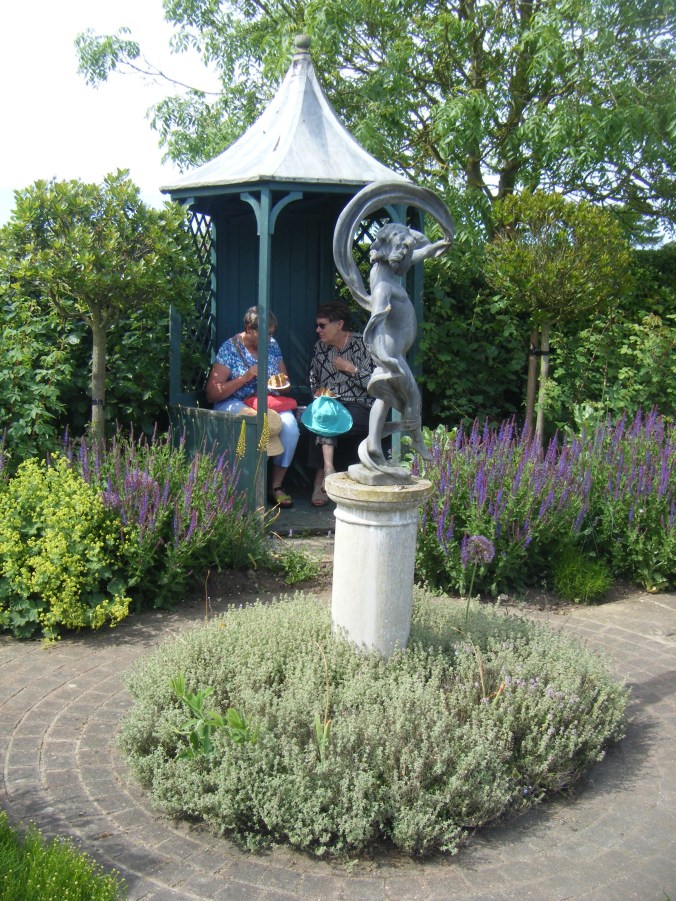
There is an elegant place to sit in this sheltered garden, either in the shade under the cloud pruned trees,

DSCF1528.jpg

or in the sun in front of the summer house.

DSCF1529.jpg

Generally the planting is of subtle tones but just occasionally there is a  splash of colour,

DSCF1526.jpg

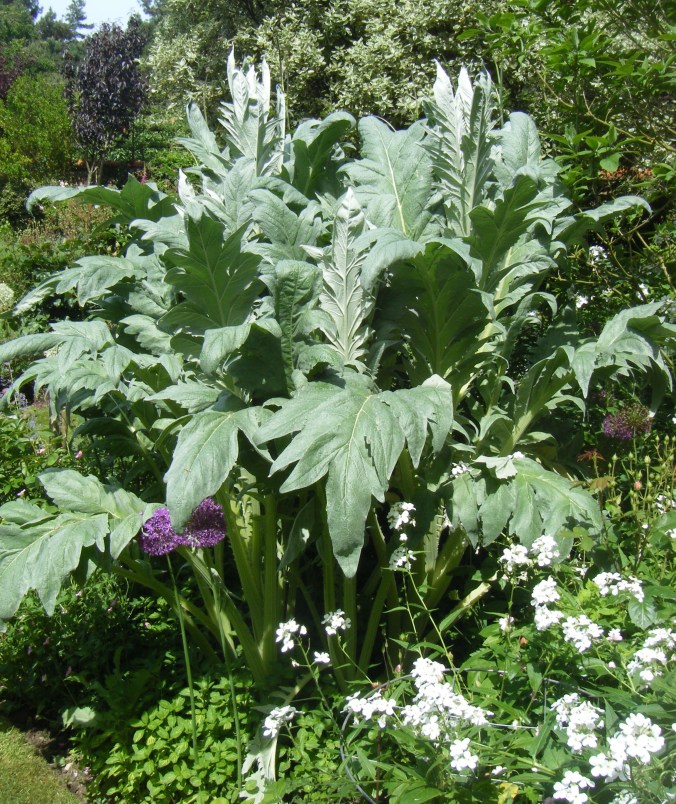
and architectural silvery giant.

DSCF1530.jpg

Mrs Winch explains that this shaded area was full of white flowers back in the spring.

DSCF1587.jpg

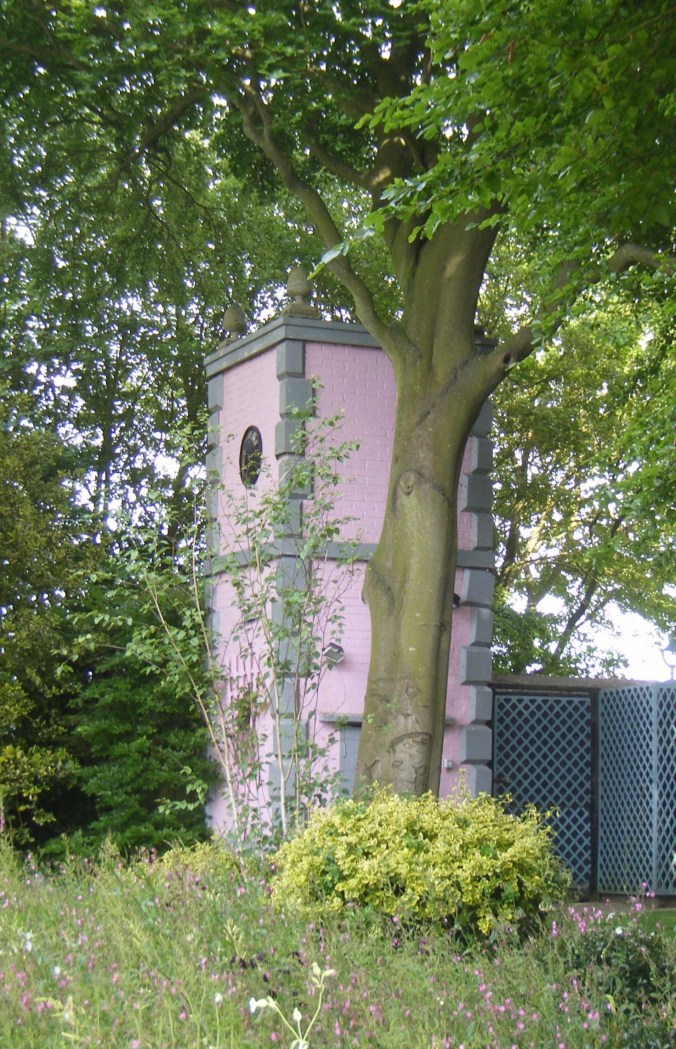
This is a pretty cool water tower, and I wonder if is it the only one in the country to be painted in pink?

DSCF1583.jpg

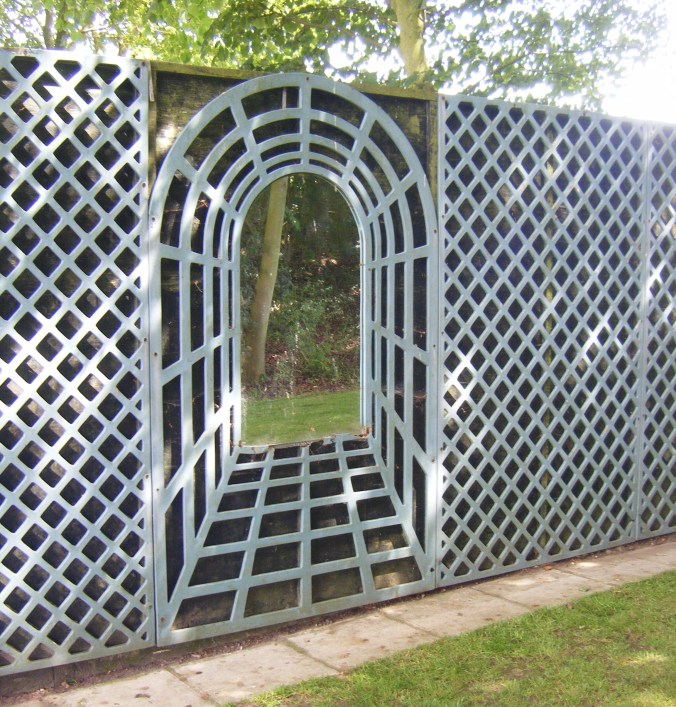
I am not sure what is behind the lattice fence and mirror but they provide a bit of fun and cheer up a shaded corner.

DSCF1533.jpg

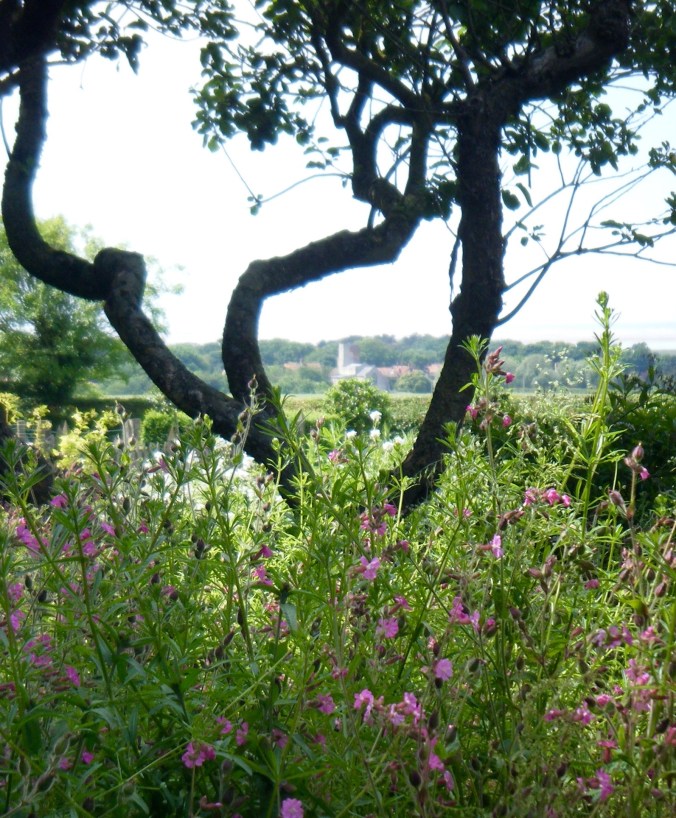
Through the branches of the tree you can see Morston Church in the far distance.

DSCF1531.jpg

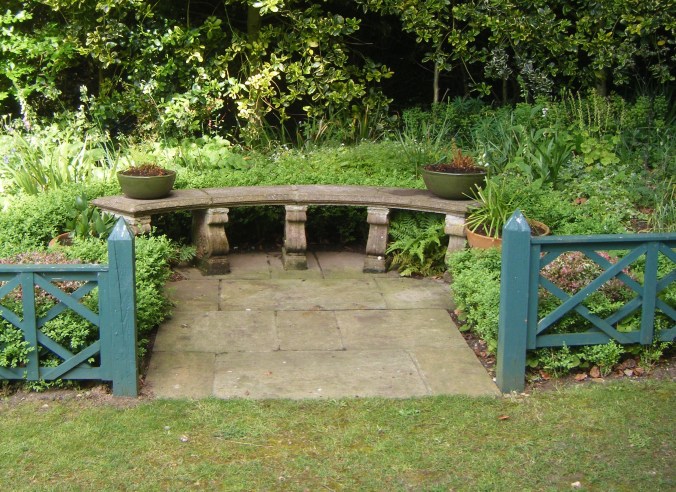
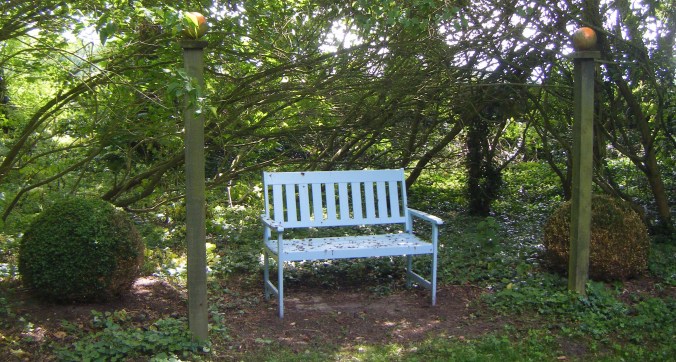
We decide to follow the woodland walk over the mound where bluebells have finished flowering, and there are fine places to sit and rest in the shade.

DSCF1537.jpg

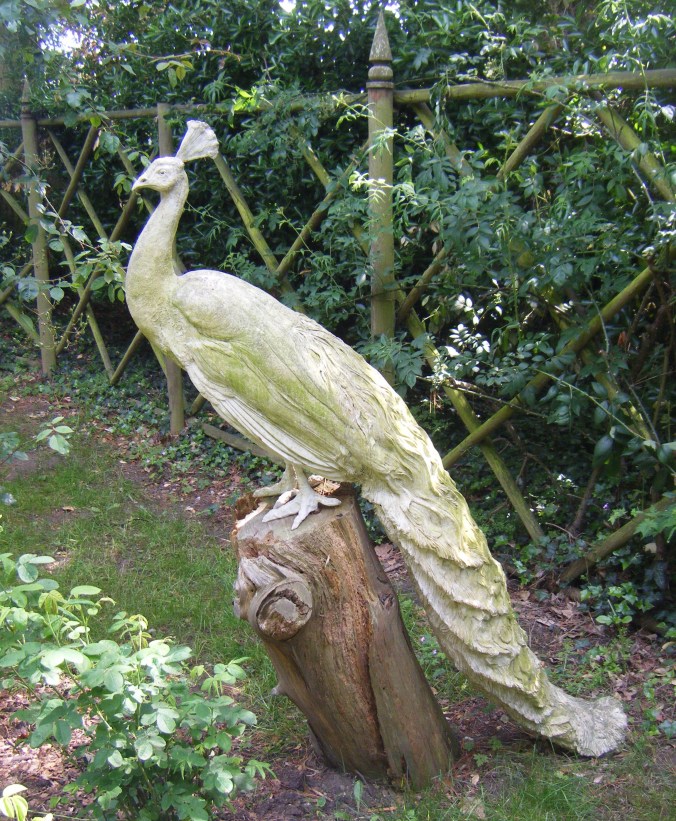
Tucked away is a secret rose garden which is home to a very realistic-looking peacock.

DSCF1540.jpg

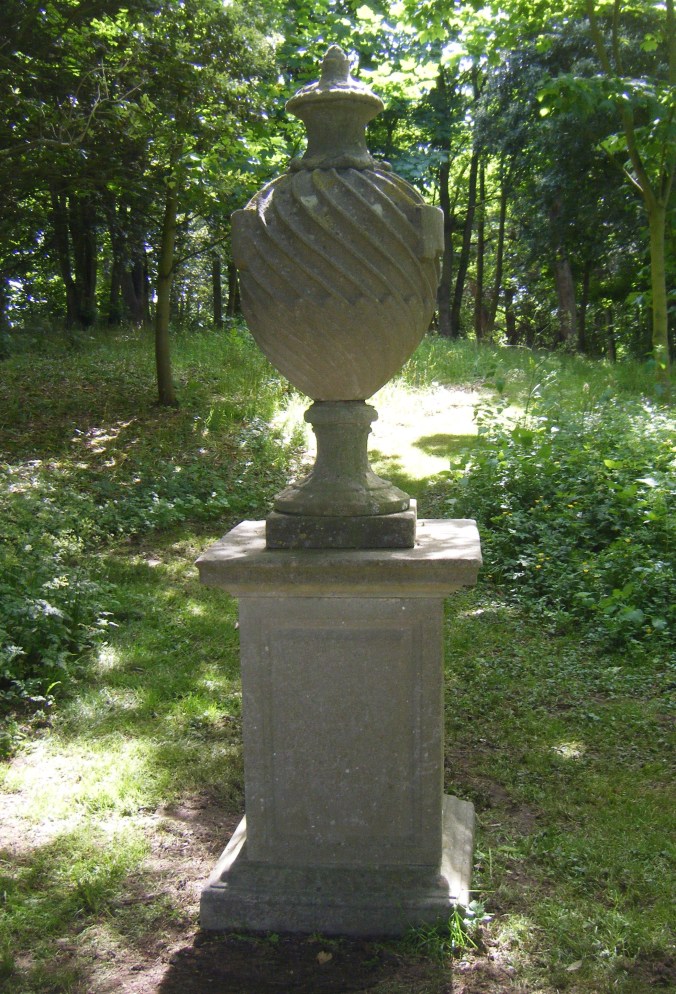
Walking past the antique urn that stands majestically on the edge of the wood,

DSCF1543.jpg

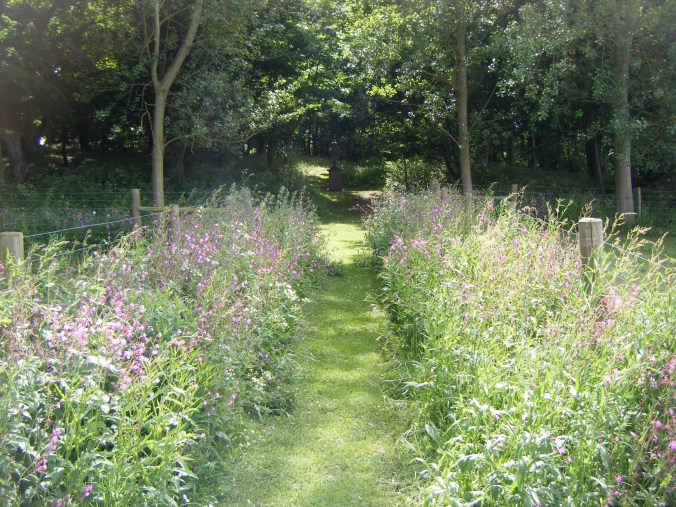
we follow the path between the fields, effectively lined with pink and white campion it brings us up to the borders by the house.

DSCF1544.jpg

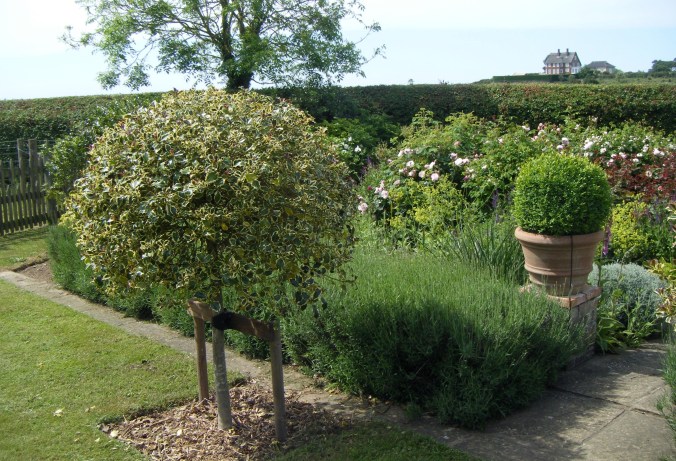
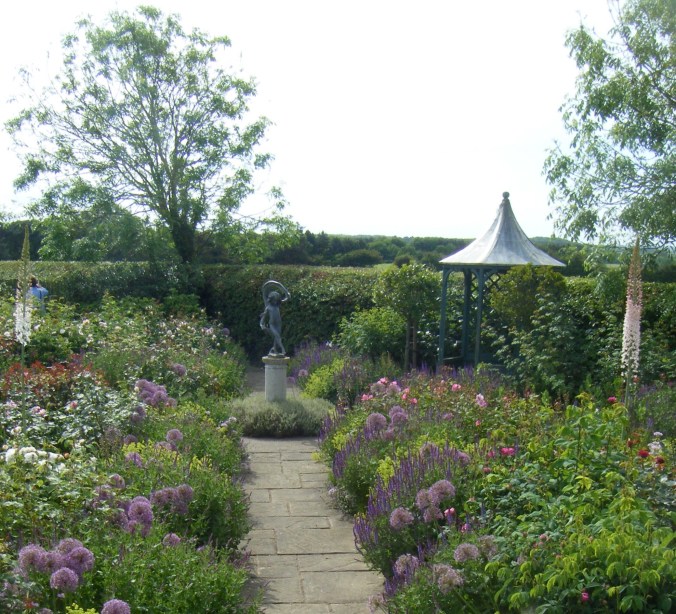
Beyond that hedge is a coastal landscape whilst within it is a sheltered area planted with an abundance of roses and herbaceous perennials.

DSCF1547.jpg

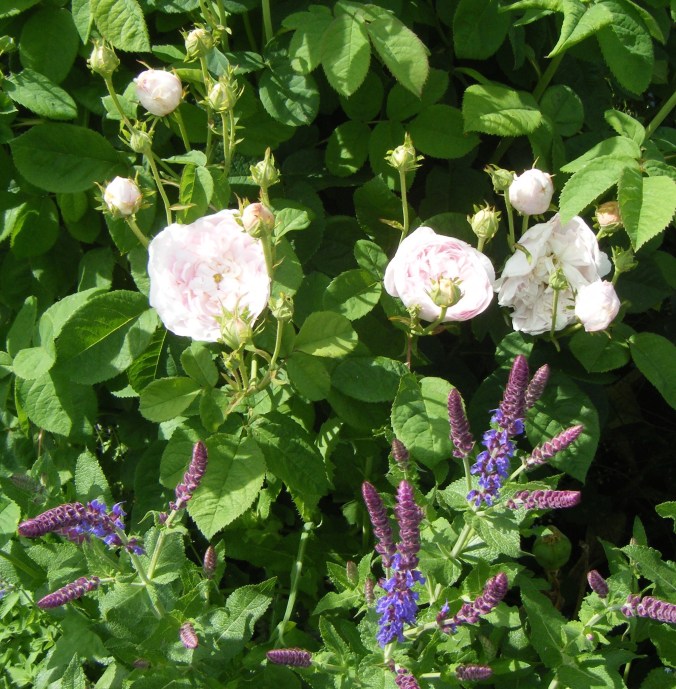
The roses are at their best and Tamara has hidden their feet by planting with veronicaalchemilla mollis and alliums,

DSCF1551.jpg

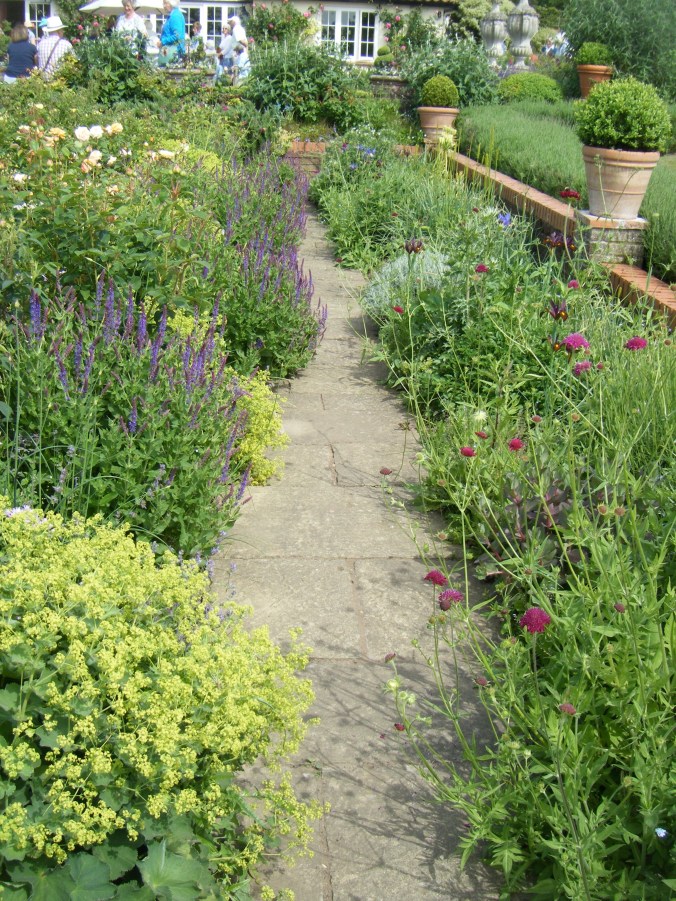
making a delightful tapestry of colour,

DSCF1552.jpg

which ever direction you look.

DSCF1566 (1).jpg

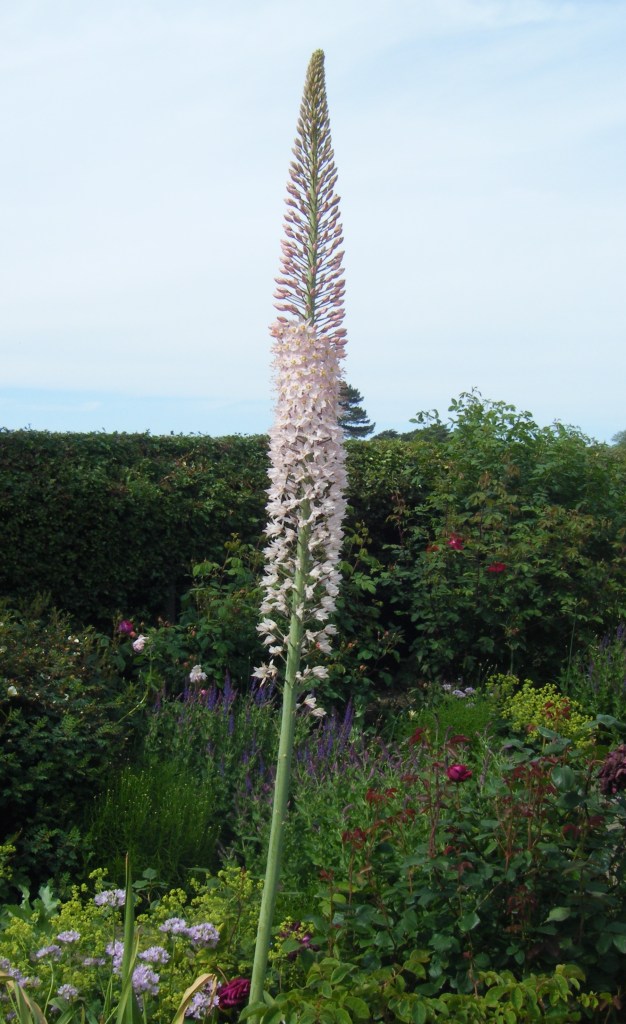
The striking fox tail lily, eremurus grows tall and remarkably straight.

DSCF1555

A perfect place to enjoy that irresistible coffee and walnut cake.

DSCF1553.jpg

More majestic eagles grace the steps,

DSCF1569.jpg

which lead up to the parterre where a delicious tea is being served.

DSCF1579.jpg

Visitors are very content. The joy of garden visiting is you can relax in someone else’s garden, after all, who has time to do that in their own?

DSCF1565.jpg

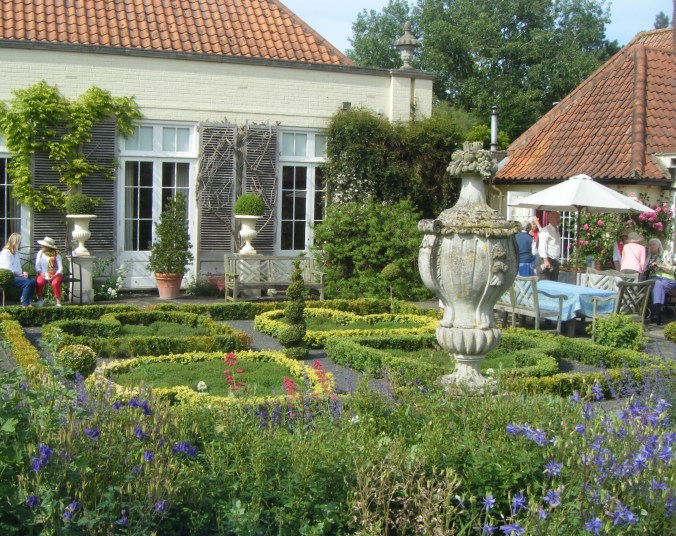
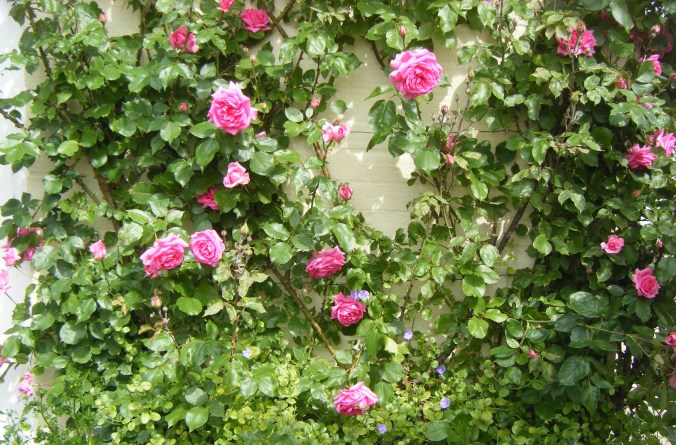
The deep pink rose looks charming climbing against the cream walls,

DSCF1561 (1).jpg

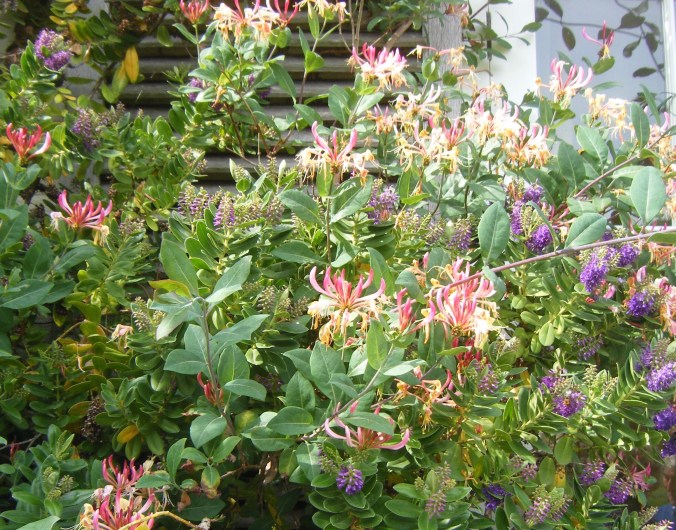
and honeysuckle mingles with hebe.

DSCF1568.jpg

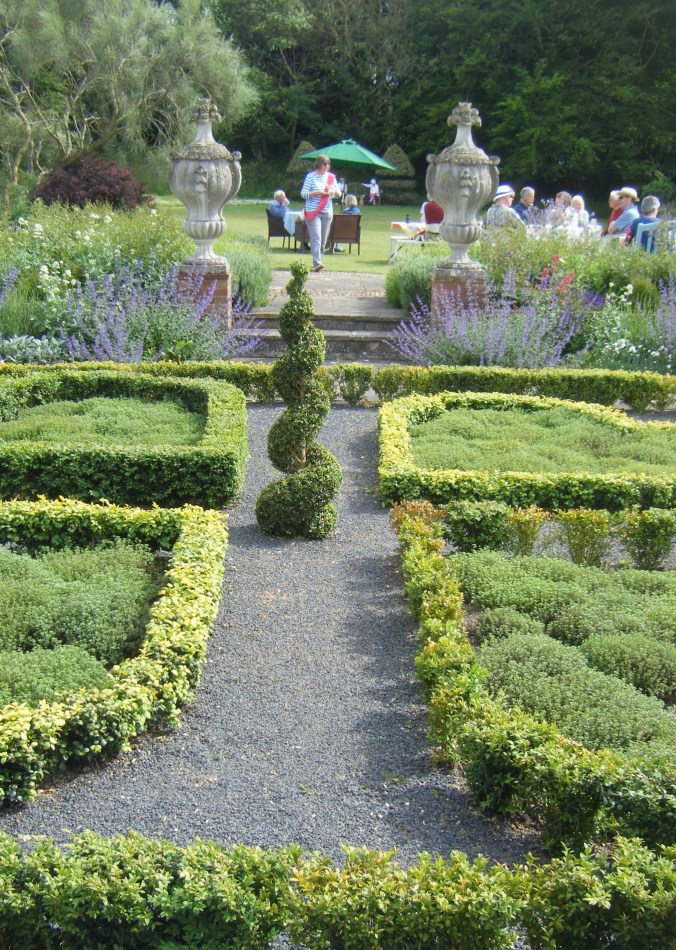
Topiary appears all around the garden either in the borders, by the house

DSCF1580.jpg

or across the lawn where they frame the seat.

DSCF1581.jpg

Magnificent roses everywhere too, this one trained over the arch is waiting to burst into action.

DSCF1575.jpg

Every where the colours are carefully chosen; soft and easy on the eye they in blend easily.

DSCF1577.jpg

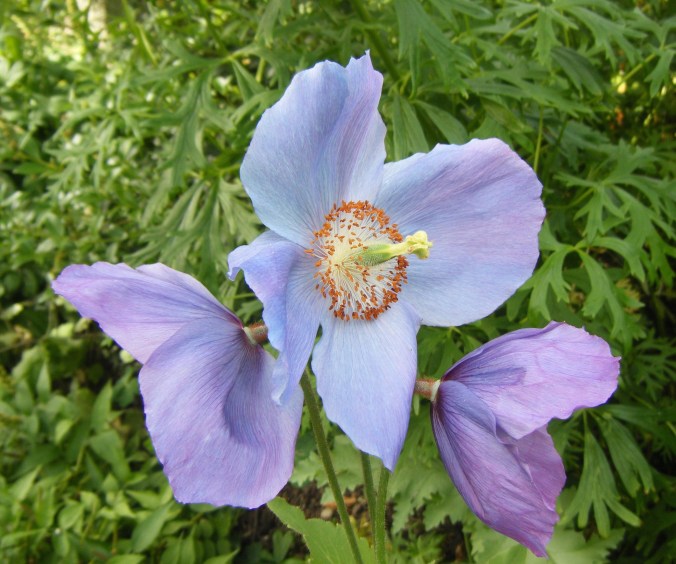
I never thought I would see a blue Himalayan poppy, meconopsis growing in Norfolk.

DSCF1591.jpg

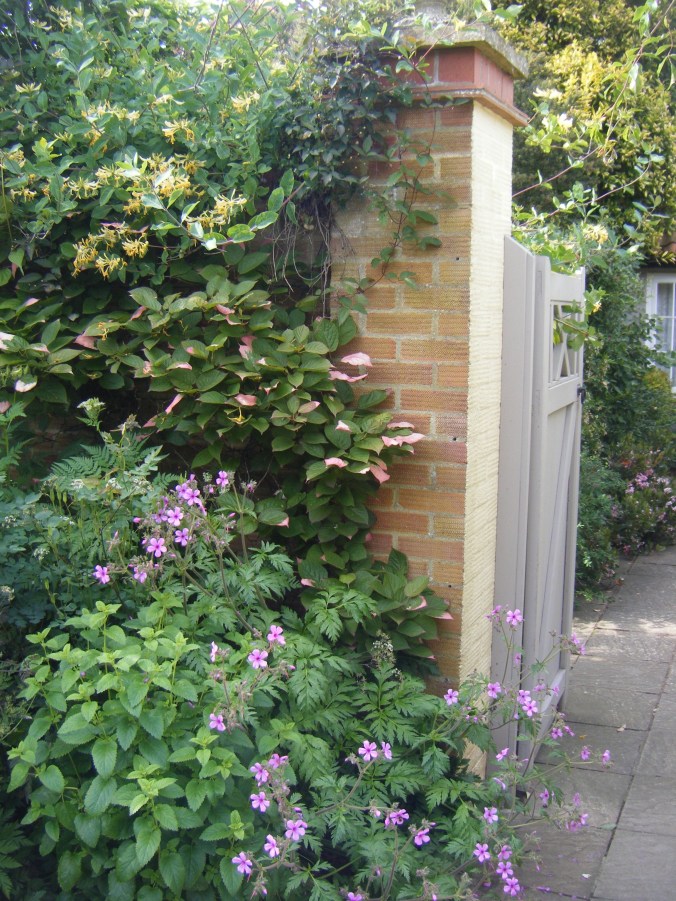
Combinations are pleasing like actinidia and geranium.

DSCF1596.jpg

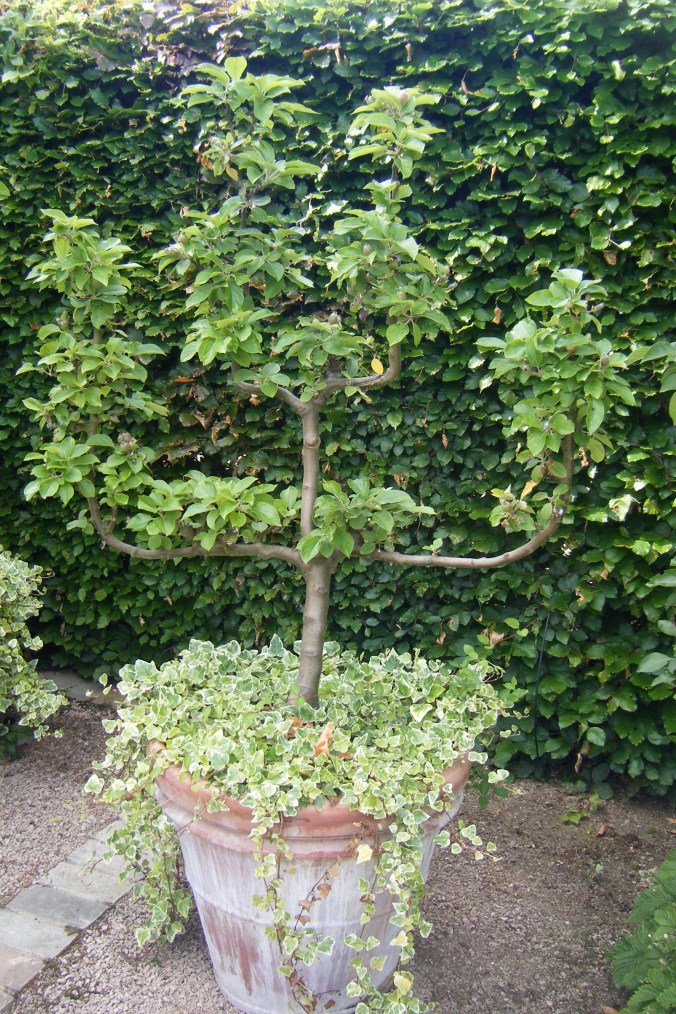
There are plenty of fruit trees and this little shaped pear seems happy in his pot.

DSCF1597.jpg

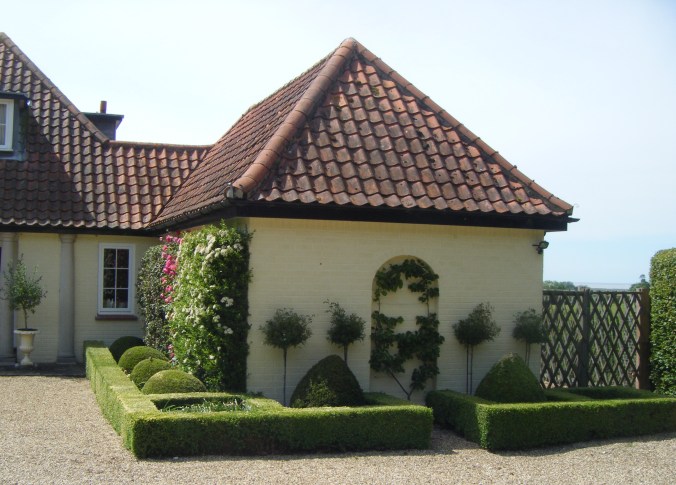
It is time to depart and on our way out past the house we admire the crisply clipped topiary,

DSCF1516.jpg

but find no sentry in his elegant box today.

DSCF1520

It has been a delightful afternoon in this hidden gem of a garden. We have enjoyed the variety of spaces, Tamara’s artistic planting schemes and the stunning views to the sea. This is a must on the ‘gardens to visit list’ and it also has the added bonus of most of the paths being accessible for buggies and wheelchairs.

The garden gate is open for the NGS on Sunday 5th June 11am -4.30pm.

Bell Gables; elegant and neat. (42)

Presumably named because of the bell-shaped gable, the garden gate was open in Wilburton, a village off the A10 just north of Cambridge.

DSCF0864.jpg

Open for both Saturday and Sunday 20th and 21st May, for the second year running, the entrance was down the side of the house.

DSCF0803.jpg

After being welcomed by the owner, we nipped under the shade of the cherry tree and, guided by a line of potted hostas, we stepped onto the bark path and into the garden.

DSCF0861.jpg

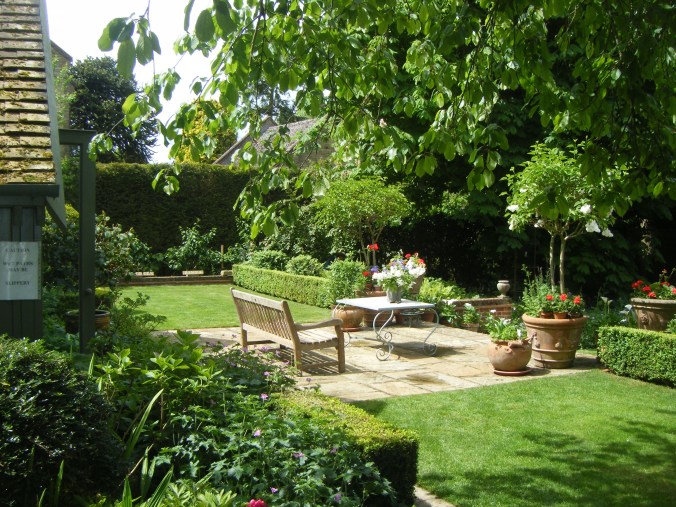
It was like entering an elegant reception area, freshly decorated with generous seating and flowers on the table.

DSCF0804.jpg

From this terrace you can look out onto the garden.

DSCF0860.jpg

But first we take the path around to the small walled garden on the side of the house where we find a secret space overlooked by the church of St Peter.

DSCF0807.jpg

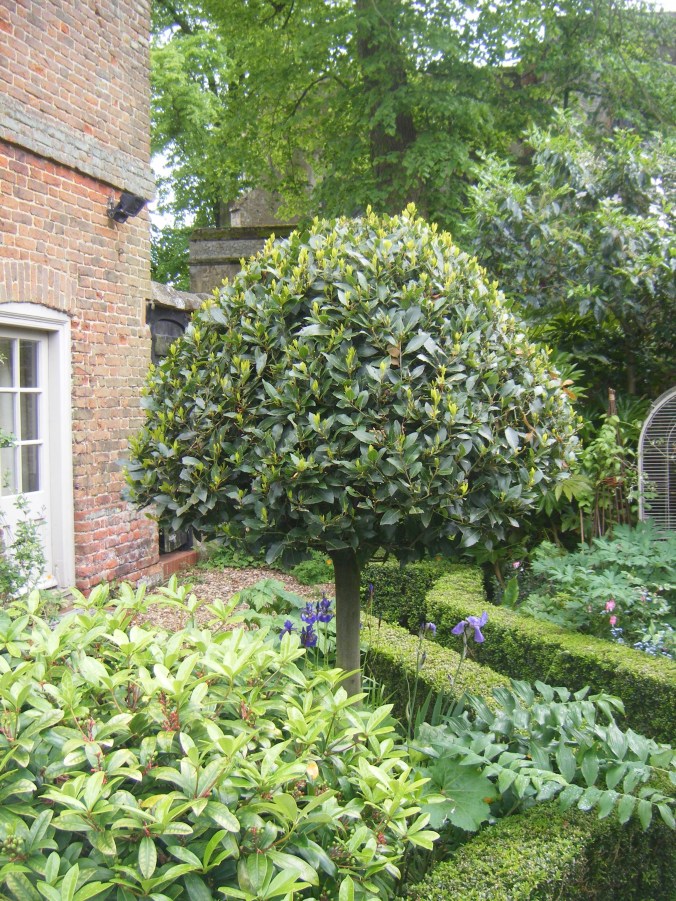
Low box hedging and clipped bay bring structure to the planting,

DSCF0812.jpg

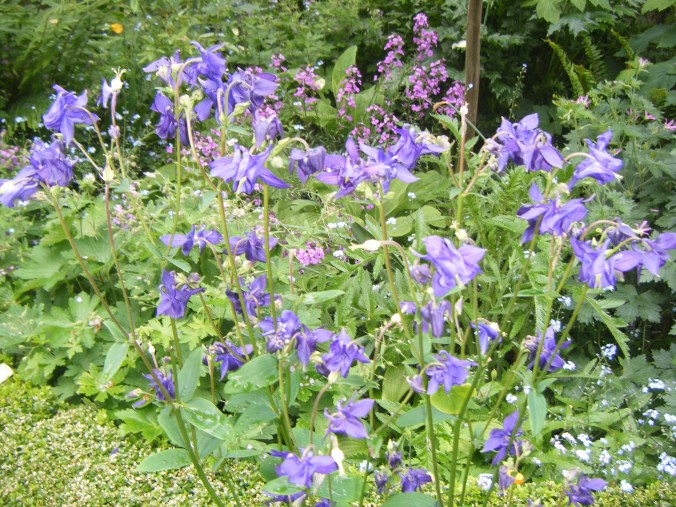
whilst aquilegia sows itself daintily around the paths.

DSCF0811.jpg

Coming back out of this intimate area I am delighted to find a neatly positioned ramp which takes you down a level to the lawn. Having for many years pushed a wheelchair and struggled with slopes I wonder why more gardens couldn’t possibly take the trouble to be a little more friendly to the disabled.

DSCF0814.jpg

The owners  moved here in 1980 when the garden was just a field. The west side was permanently boggy so they dug out and lined the pond with clay. Richly planted it looks as if it has been there for ever.

DSCF0818.jpg

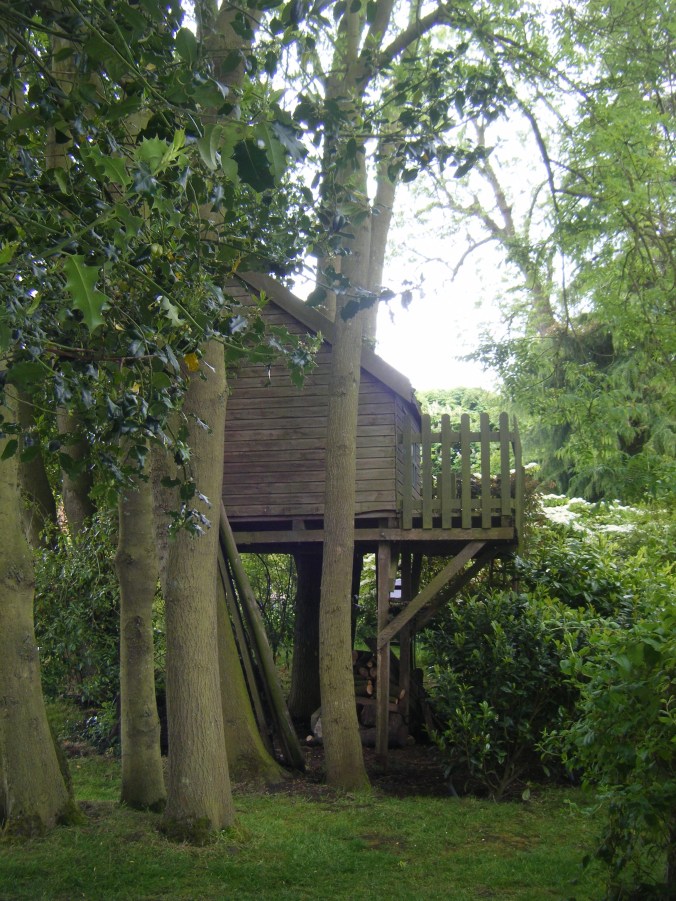
There are plenty of mature trees and the group of ash makes an obvious site for a tree house.

DSCF0823.jpg

A more recently planted holly has been encircled with box.

DSCF0821.jpg

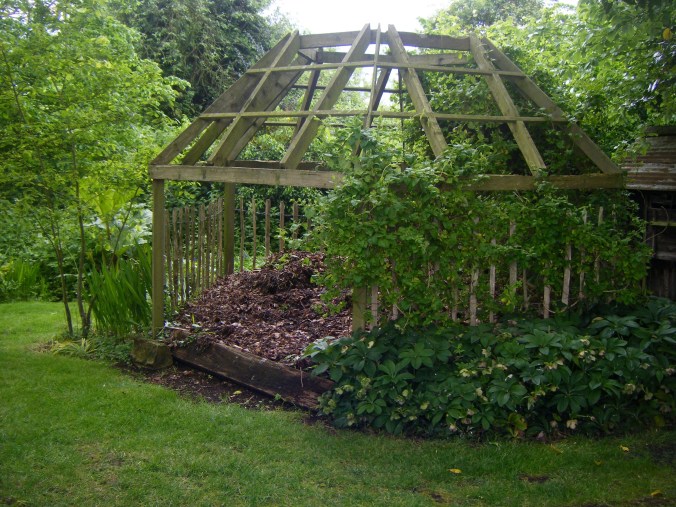
Leaf fall here must be great for the bin is quite a structure.

DSCF0820.jpg

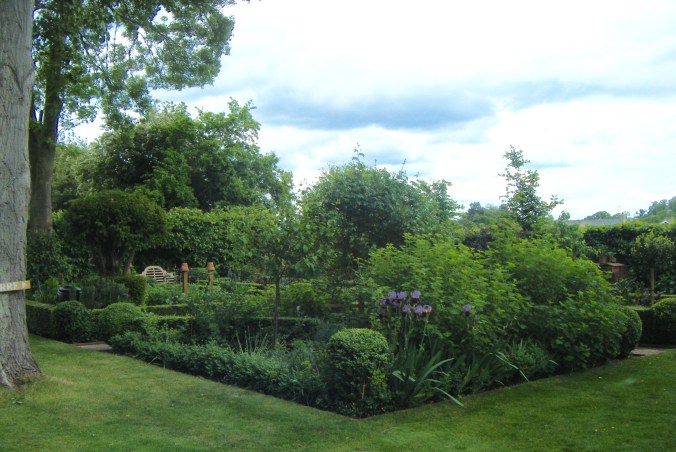
The flower parterre is positioned at the far end of the garden, where bearded irises beckon us over. Enclosed by box it is of mixed planting,

DSCF0824.jpg

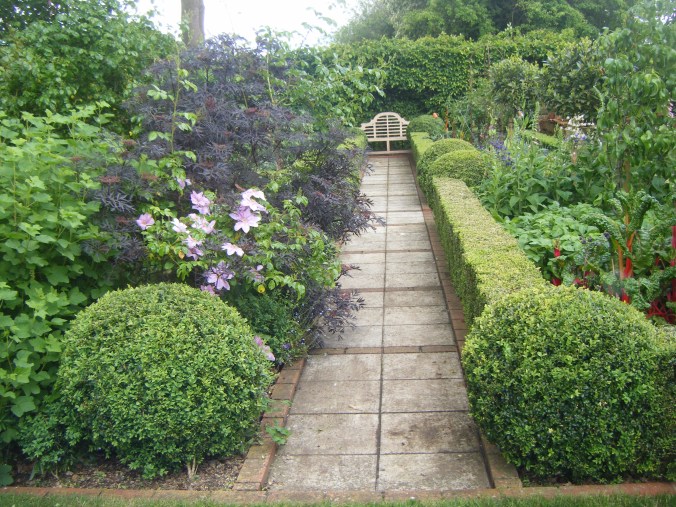
with a central path running straight to a bench.  Clematis scramble over shrubs and

DSCF0825.jpg

climb up unfussy metal supports.

DSCF0829.jpg

It is shipshape all around the garden and even the spare bricks are stacked precisely. Oh to be so tidy.

DSCF0826.jpg

A Viburnum seen from across the water appears to imitate a waterfall, in the foreground along the water’s edge grow blue irises and a striking arum lily zantedeschia aethiopica. The lawn is carefully edged with brick.

DSCF0845.jpg

There is plenty of colour, a splash of early yellow honeysuckle,

DSCF0833.jpg

and the roses are blooming so early this year. It is a joy to find them clearly labelled and although the labels may not be permanent, at least you can see what is written on them.

DSCF0834.jpg

So this has to be Fruhlings Gold,

DSCF0835


dear Penelope

DSCF0837

and gentle Alfred Carriere.

DSCF0842


Clean wheel barrows are poised for action. The detail of the paving is fine and well proportioned.

DSCF0850.jpg

It is an architect’s garden and her studio too is conveniently in the garden. It is open today and it is a delight to wander around.

DSCF0853.jpg

We are back at the beginning, looking at the steps which lead down from the ‘reception area’.

DSCF0856.jpg

It is amazing to think that 37 years ago this one acre plot looked like this.

DSCF0809.jpg

With an architectural eye and a surveyors’ skill have it has turned into a horticultural haven……….

DSCF0852.jpg

——-42——-


Warborough House, a garden for a festival weekend. (41)

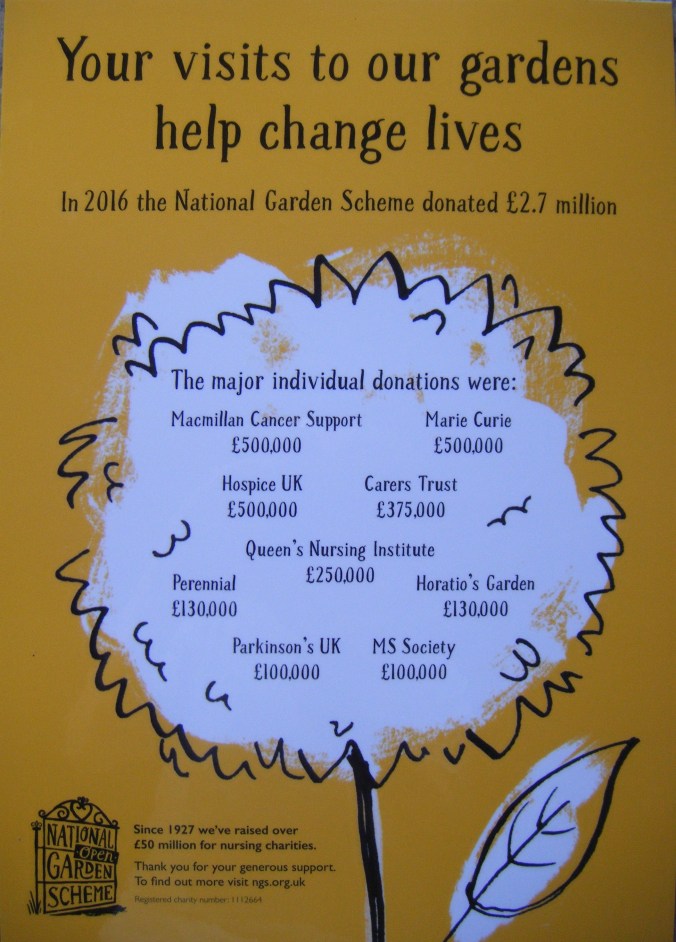
It is the NGS festival weekend.  The very same weekend when 90 years agoa hundreds of gardens all around the country opened their gates to raise funds for district nursing. It is amazing to think that since then the charity has raised over £50 million and is still running.

The garden gate is open at Stiffkey, a village on the North Norfolk coast. It must be one of the only rural NGS properties to be on a bus route, the Coastal Hopper conveniently stops just outside the gate. For car drivers the view from the car park towards the sea is breathtaking. I was fortunate to visit a day or two ahead of the opening.

DSCF1283.jpg

The owners have been here since early 2000s and it was Arabella who showed me around.  We began our tour on the other side of the drive where a walled garden has a neat lawn, a small area for vegetables and a border waiting to burst into colour.

DSCF1320.jpg

The 19th century house sits up on a chalk ridge. Surrounded by woodland the garden is about 7 acres.

DSCF1256.jpg

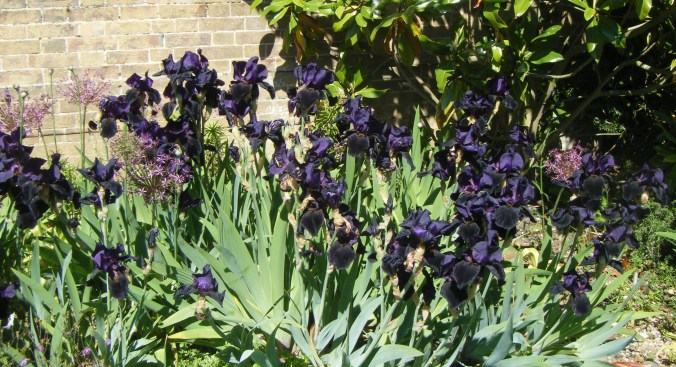
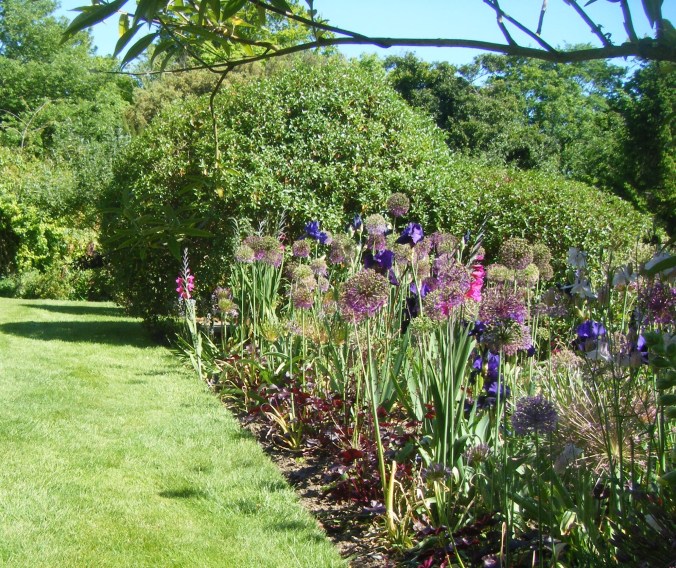
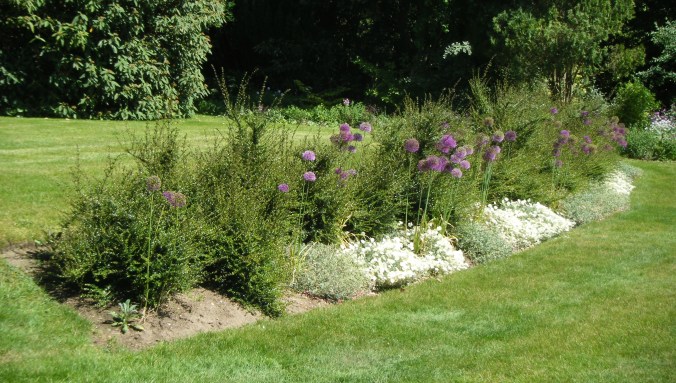
Alliums, aquilegia and irises are the predominant flowers; the dark irises by the house are set off by the pale brick behind.

DSCF1229.jpg

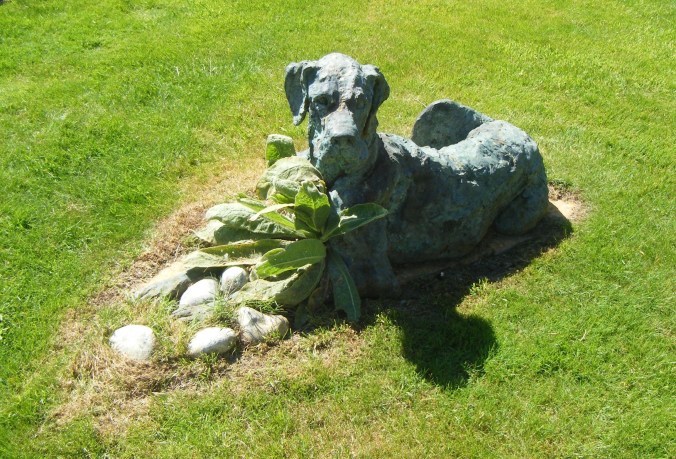
The sculptured dog lies lazily on the lawn looking intently up at the house.

DSCF1236

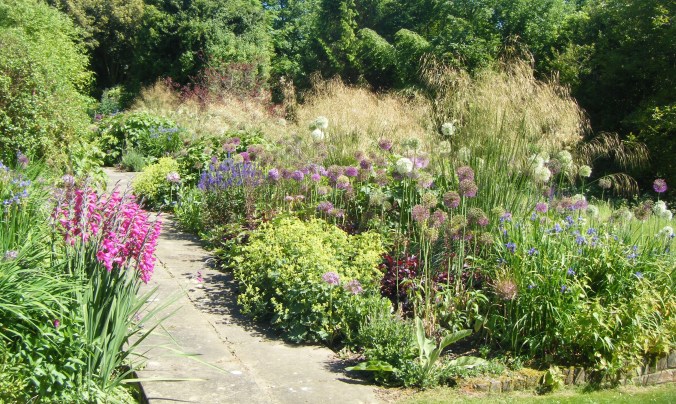
A series of terraces run down in front of the house. The blend of purples and blues is enriched by the bright pink of gladiolus communis subsp. byzantinus.

DSCF1239.jpg

A path runs along the the middle terrace where stipa gigantea floats in the breeze, it is beginning to turn golden already. My photography on this bright day does not do justice the colourful display.

DSCF1243.jpg

Purple-tinged shrub of forest pansy cercis canandensis grows at either end of the lowest terrace where salvias will take over from deep blue irises. Salvias are the speciality of David the gardener who propagates hundreds of varieties at his home.

DSCF1246.jpg

At the base of the terrace is an informal meadow that slopes gently down to a wooded area. Sicilian honey garlic, allium nectaroscordum siculum can just be seen dotted amongst the grasses.

DSCF1247.jpg

Paths lead through the surrounding wood. It is a circuitous route through dappled shade, for some distance the lonicera nitida hedge has been clipped informally.

DSCF1266.jpg

David believes in a good planting of ground cover and all the way through it is dense; ivy, lamium and wood spurge cover the woodland floor.

DSCF1293.jpg

In small clearing sticks are stacked into a wigwam.

DSCF1269

This hedge is truly dead, it is intentional, an idea inspired by Kew Gardens, felled branches and wooded debris are stacked between fence posts. This is a process which has been carried on for several years and saves endless bonfires.

DSCF1288.jpg

There are plenty of places to sit either in the shade,

DSCF1275.jpg

on an elegant bench sheltered from the sea breeze,

DSCF1278.jpg

or lying back in the baking sun.

DSCF1296.jpg

It is fun to have new ideas and the intention in this  border is to have topiary, perhaps a flight of poultry.

DSCF1228.jpg

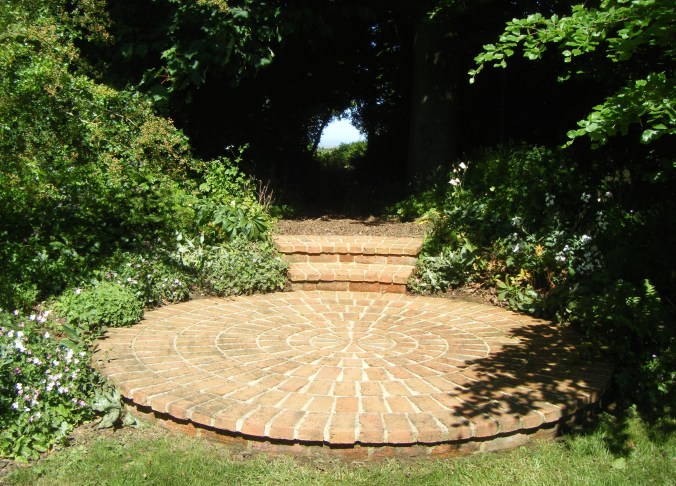
The circular brick is a work of art. Step on to it before walking through the trees to a viewing point looking out to the sea.

DSCF1279.jpg

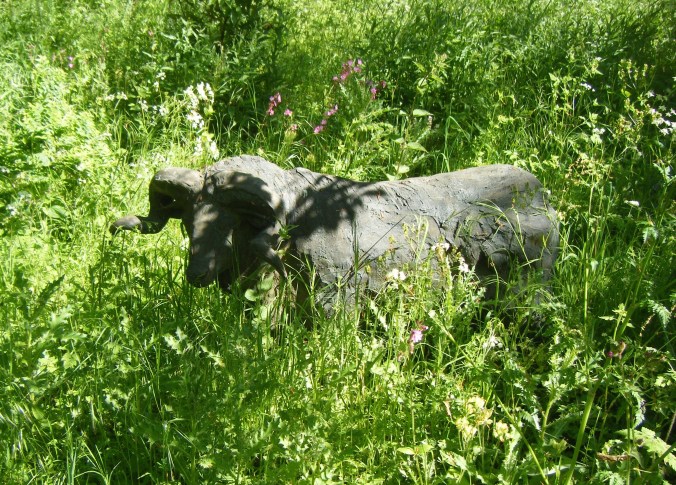
Paths are mown around the patches of long grass, a sculptured ram peers out.

DSCF1292

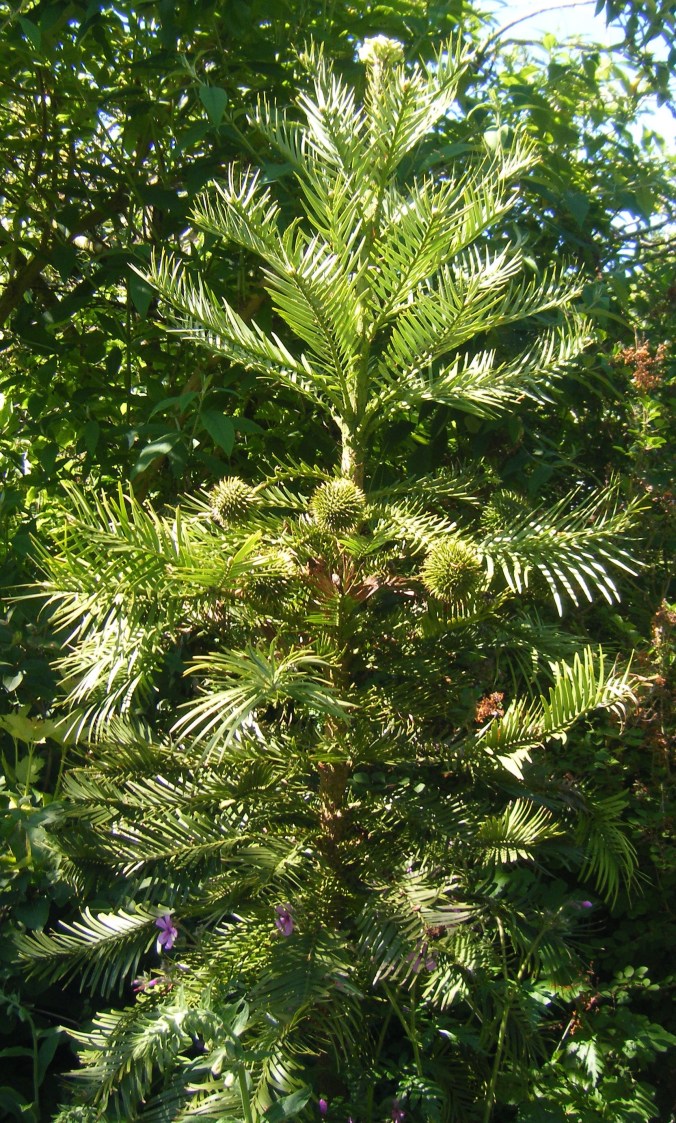
A Wollemi pine is growing well in this sheltered coastal garden.

DSCF1301.jpg

David shows me his cunning slug trap; he places the pellets inside and quite simply the slugs and snails crawl in.

DSCF1303

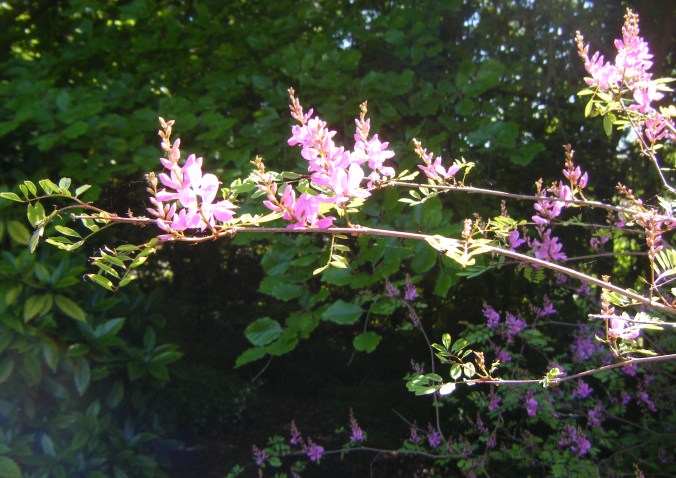
A variety of shrubs grow around the garden; pretty in pink is the deciduous indigofera with its upright racemes.

DSCF1257.jpg

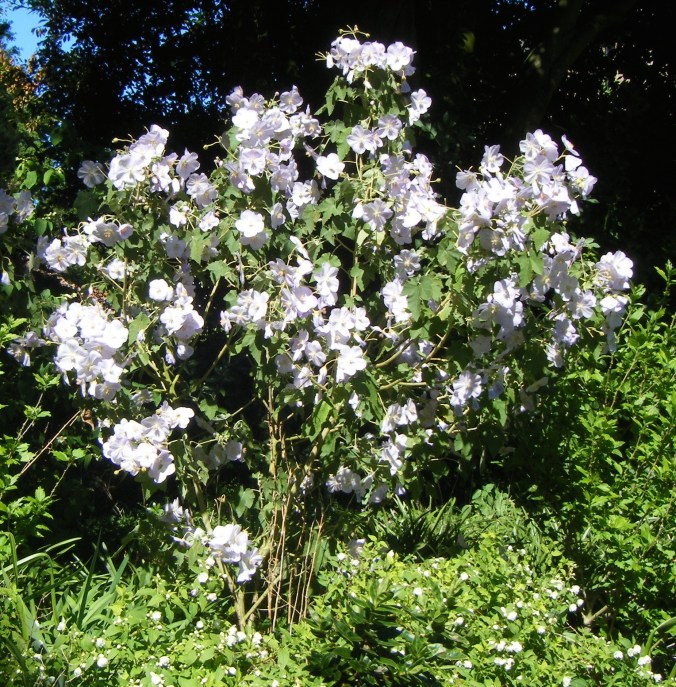
Bushes of abutilon vitifolium brighten a shady border,

DSCF1308.jpg

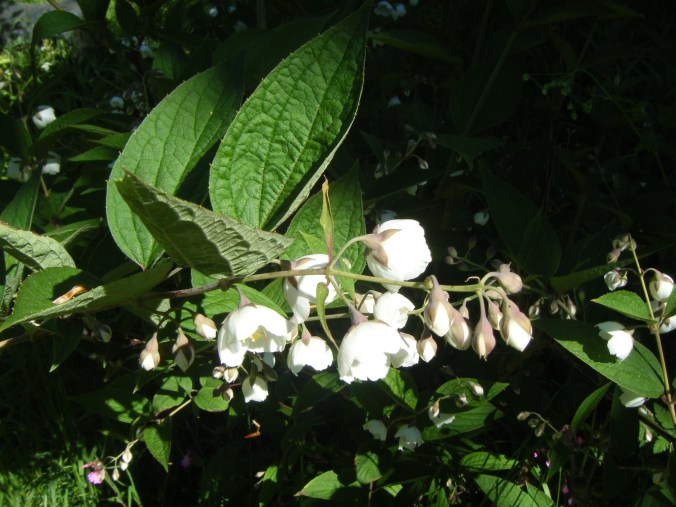
The scent of the philadelphus tomentosus is delicate.

DSCF1310.jpg

and against a wall summer jasmine is already coming into flower.

DSCF1315.jpg

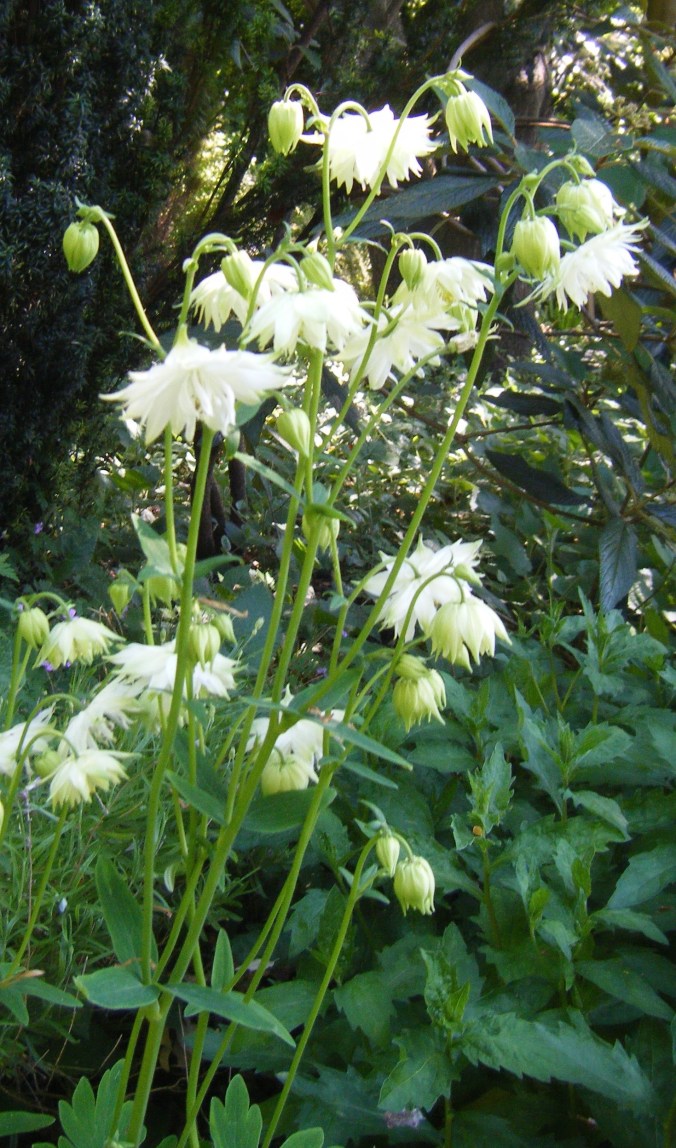
Whilst there are several colourful nodding heads of aquilegia many have been sadly wiped out by downy mildew.

DSCF1263

I particularly admire this white one.

DSCF1271.jpg

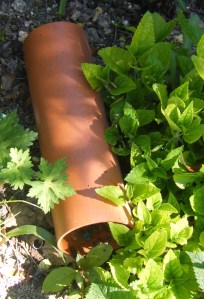
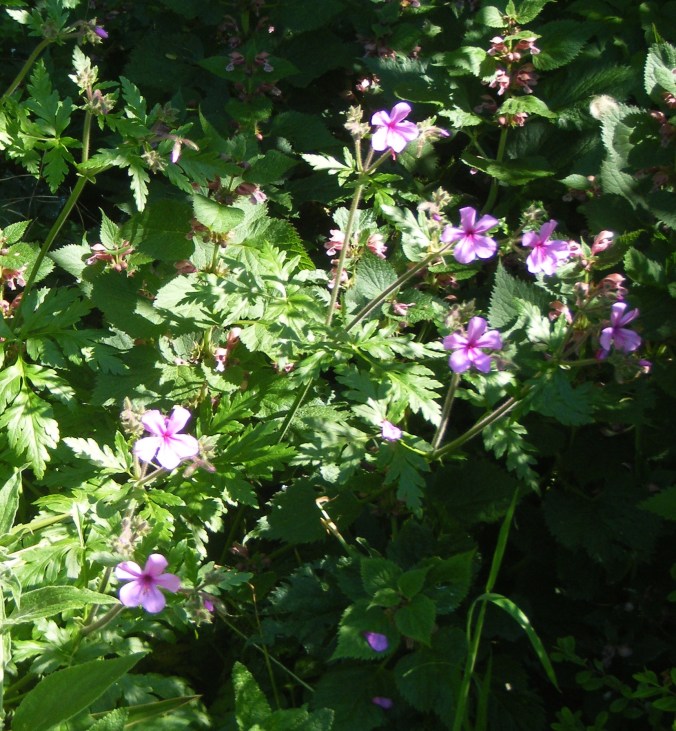
There is another little problem in the garden that attacks the plants. Muntjac deer nibble the new shoots particulary the geranium palmatum.

DSCF1298.jpg

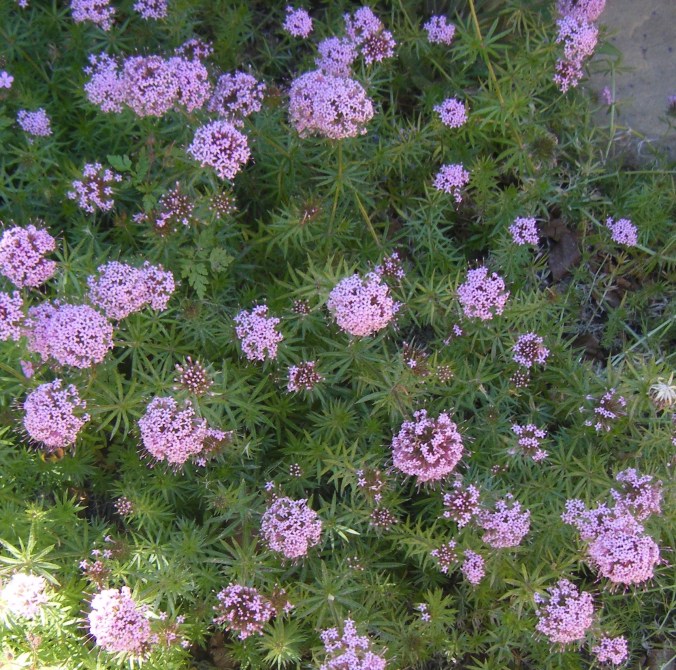
Still on the pink theme mat-forming perennial Phuopsis stylosa spreads out across a paved area.

DSCF1313.jpg

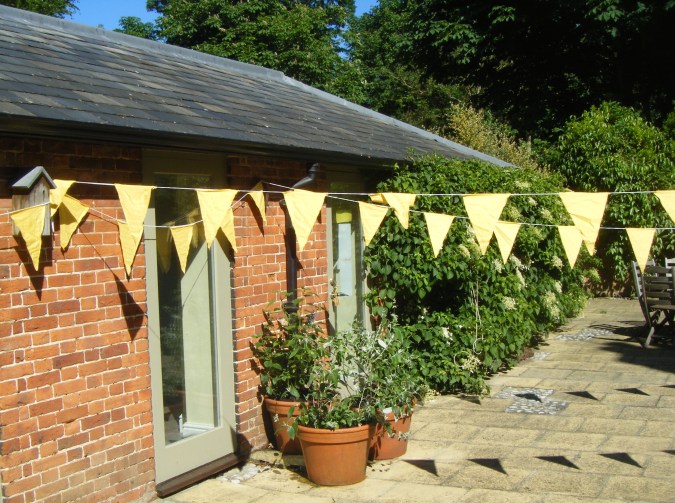
The bunting is up and ready and the garden will be open TODAY from 1pm -5.30pm.

DSCF1317 (1).jpg

There will be two more gardens open in Norfolk today: Bank House , Marshland St James, which is in the Fens and The Old Rectory, Brandon Parva not far from Norwich.

All over the country gardens will be joining in the Festival Weekend so why not download the App or click on https://www.ngs.org.uk/ to find a lovely garden near you. You will have fun, maybe learn something new but most of all you will be contributing to charity:

DSCF1327.jpg

——-41——-

Bolwick Hall, a wild and watery landscape.(40)


The garden gate was open a few weeks ago at Bolwick Hall, Marsham some 8 miles north of Norwich.

DSCF0782.jpg

This is a garden attributed to Repton, and surrounds a late Georgian house. It is Repton’s tercentenary next year and further research being undertaken by the Norfolk Gardens Trust might reveal more about his involvement.

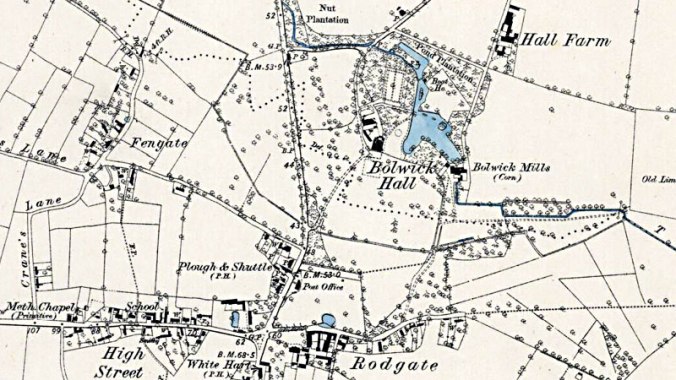
Bolwick was bought in 2003 by the present owners who have rejuvenated various areas. As you can see on the map it is essentially the lake that dominates the site.

Bolwick-map-1885.jpg

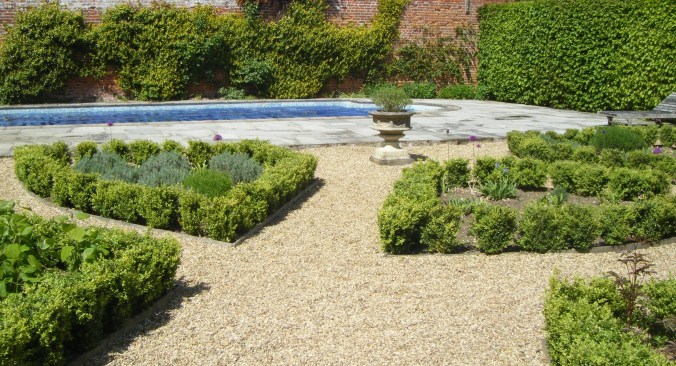
Ironically it is the swimming pool rather than the lake which is the first water that we encounter at the entrance; an enclosed gravel garden with small box compartments. Hydrangea arborescens ‘Annabelle’ and lavender will bring colour in the Summer months.

DSCF0684.jpg

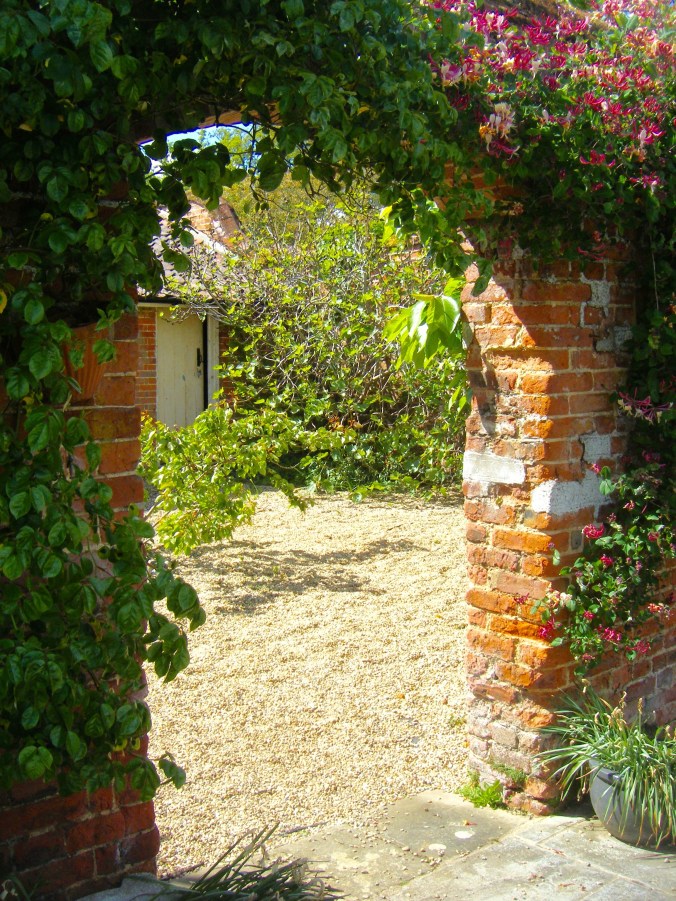
Honeysuckle tumbles over an archway which opens out into a smaller courtyard.

DSCF0686.jpg

The hornbeam arch leads us out to the lake side of the house,

DSCF0687.jpg

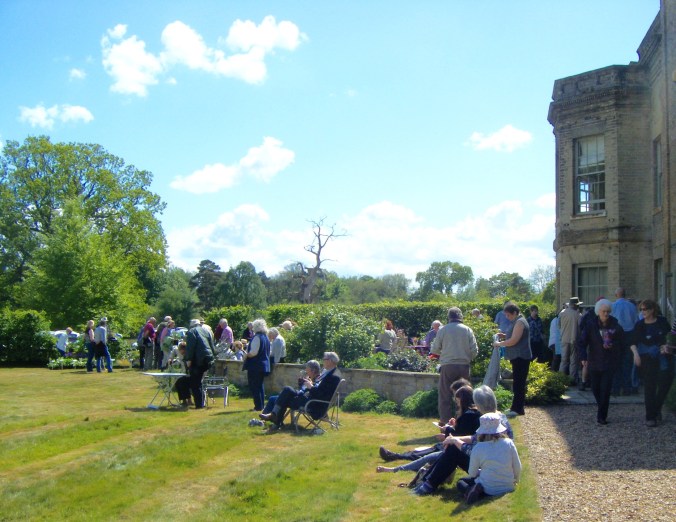
where we arrive on the lawn to find an abundance of visitors. It is a happy atmosphere and people are clearly enjoying themselves. A Sunday when everyone wants just to get outside and relax in an English Country Garden.

DSCF0688.jpg

There is plenty of space for visitors, who walk, sit and chat while admiring the view.

DSCF0689.jpg

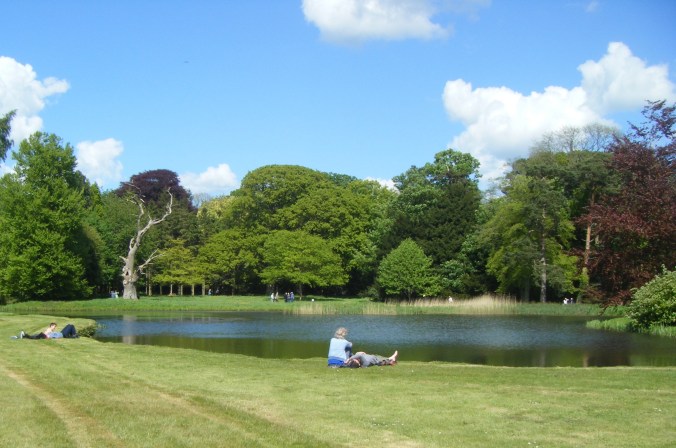
Even lying down to take in the serenity of the lake.

DSCF0690.jpg

After chatting for sometime with a fellow NGS garden owner I go through the little gate to take the path around the lake.

DSCF0695.jpg

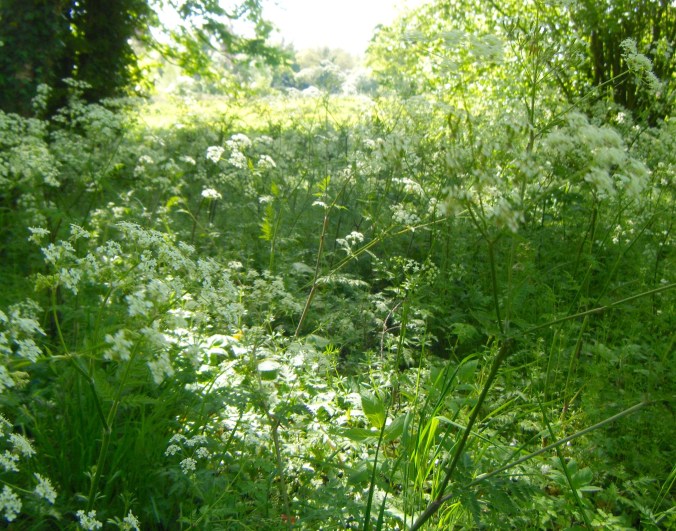
It is mainly wooded so quite shaded in places. The cow parsley finds a clearing where it seems to dance in the dappled sunshine.

DSCF0701.jpg

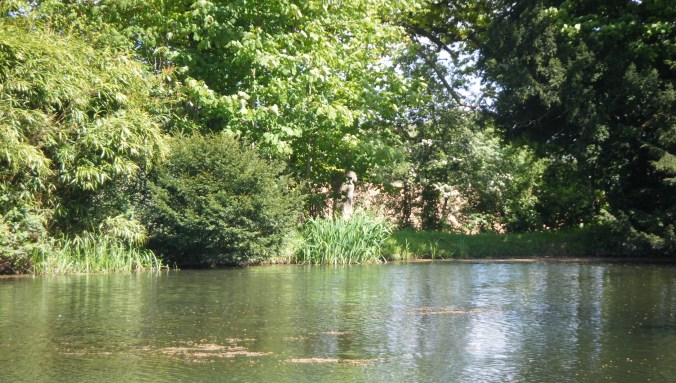
The water on the lake is still and reflective,

DSCF0698.jpg

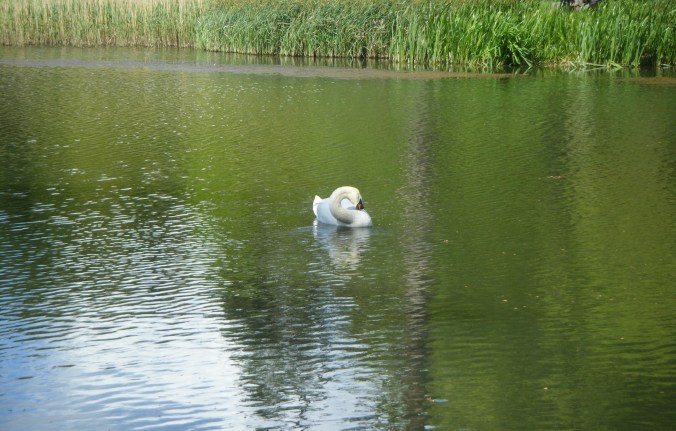
and it comes with its own elegant living sculpture!

DSCF0700.jpg

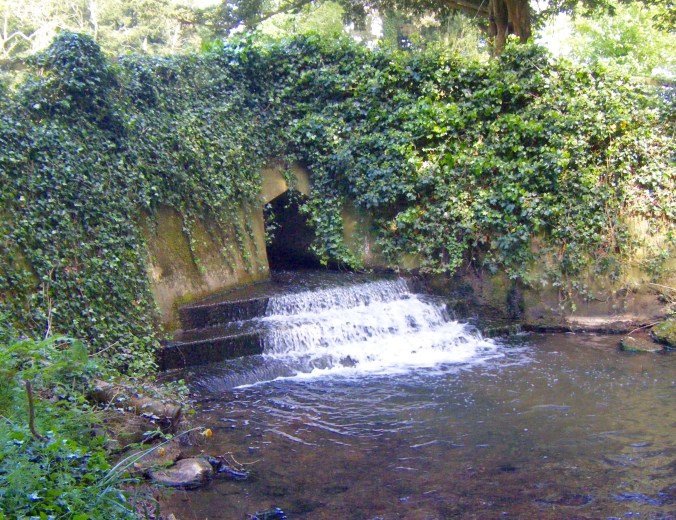
I am drawn to the sound of rushing water by the weir.

DSCF0697.jpg

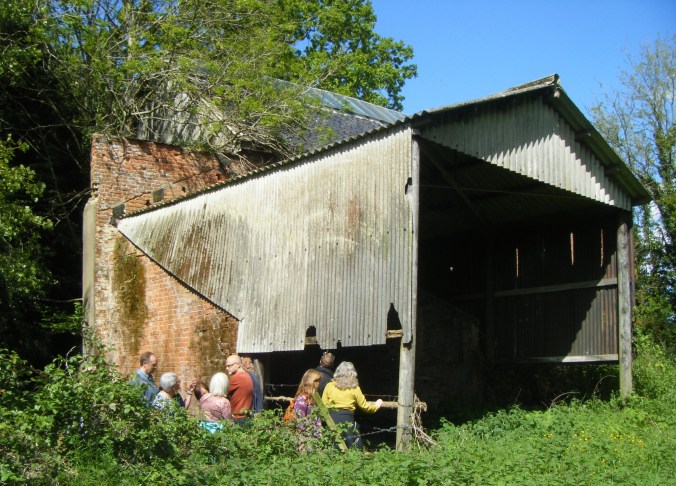
No ground is left unexplored, visitors will look at everything. I wonder if it is actually an old mill, and perhaps it is this interesting fact that they are admiring rather than the decaying nature of this rustic edifice.

DSCF0702.jpg

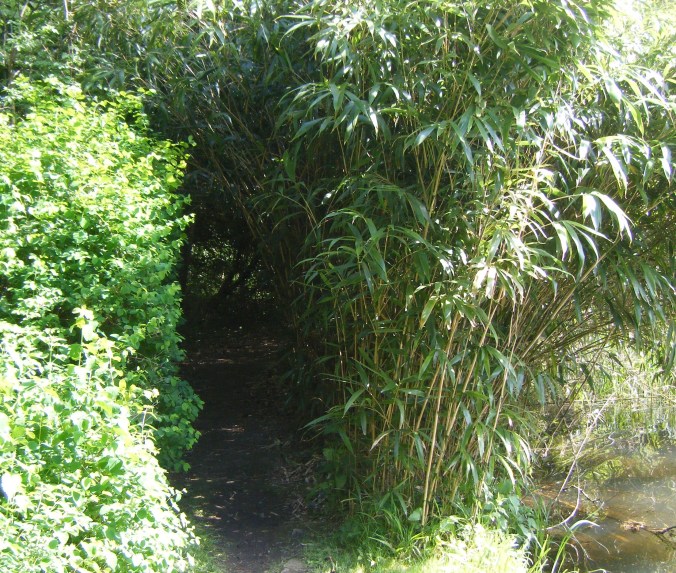
Returning to the path I duck through a series of bamboo tunnels.

DSCF0705.jpg

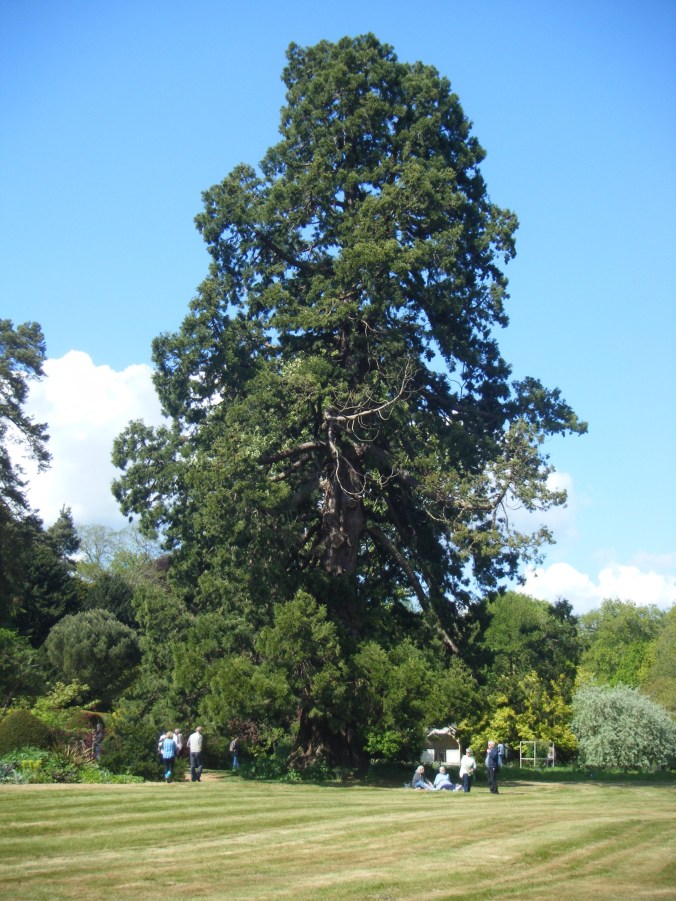
A clearing in the wood reveals a magnificent mature oak.

DSCF0714.jpg

Through the reeds I spot Mrs Swan a-sitting.

DSCF0710

Children are loving this watery landscape and moving back toward the house there are several canals and bridges to explore.

DSCF0722.jpg

Now there is a little more formality nearer the house; hedges are clipped and it is as if these two might be meeting for a quiet conversation.

DSCF0723.jpg

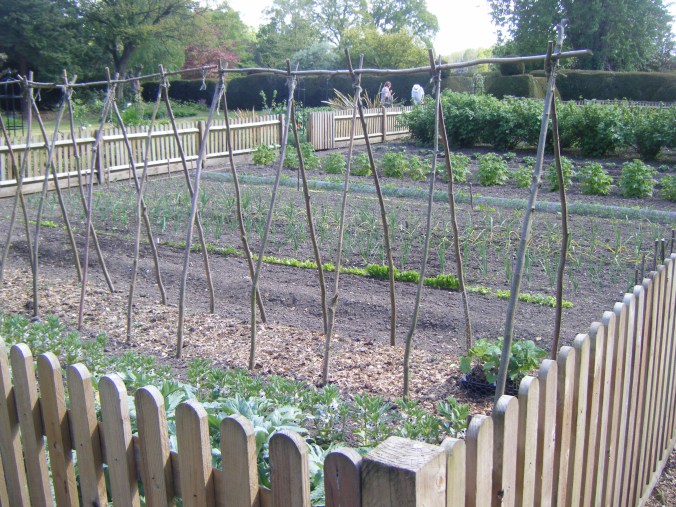
Orderly rows of vegetables and a perfect line of poles, are firmly fenced.

DSCF0727.jpg

Running along the side is a neatly mown path with summery borders stretching out on either side.

DSCF0731.jpg

Old hedges line a network of paths that link the vegetable garden and tennis court to the house.

DSCF0742.jpg

This charming hut revolves and in a former life it was used in a TB hospital in Mundesley where patients would sit and be turned gently to face the sun. (Walcott House blog 33 also has a similar hut). No patients nowadays, it is a perfect place to rest awhile in the shade; this couple are keen NGS supporters and we discuss the variety of gardens they have visited.

DSCF0751.jpg

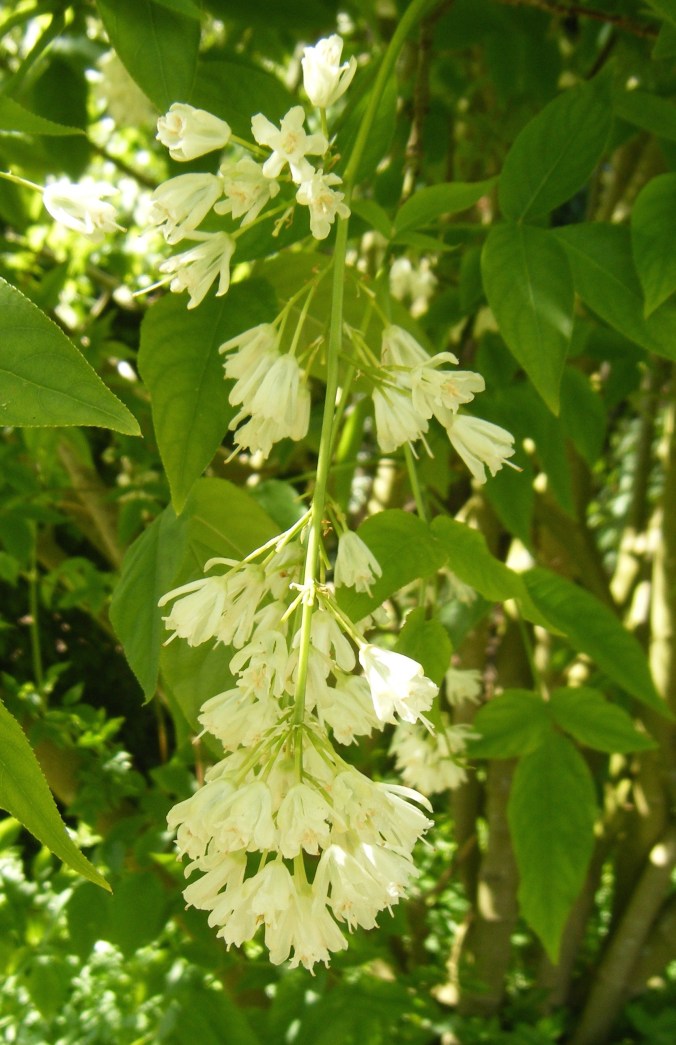
Growing to the side is the beautiful tree of Staphlea pinnata; I feel it is best to call it by the latin name rather than the slightly unattractive common name of bladder nut.

DSCF0747.jpg

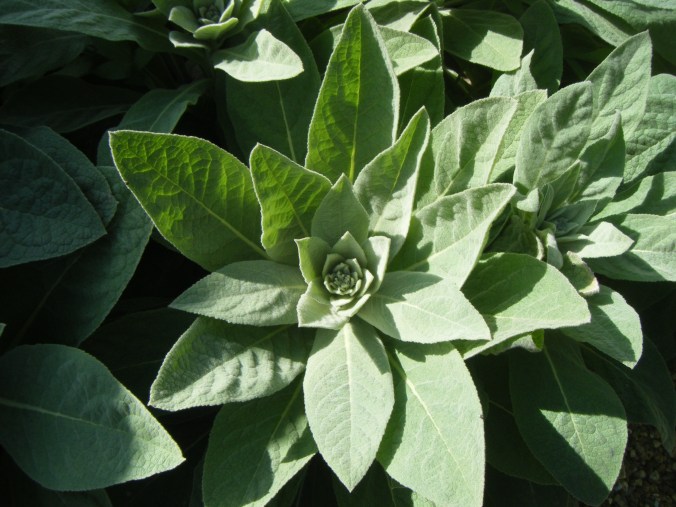
The perfect shape of verbascum olympicum grows contentedly in the dry gravel garden,

DSCF0764.jpg

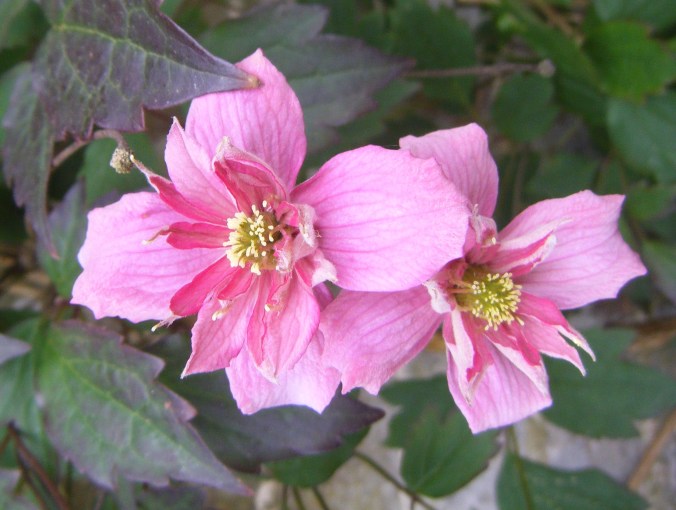
and you can’t beat the colour of montana ‘Broughton Star’ for a clematis growing against a wall.

DSCF0775.jpg

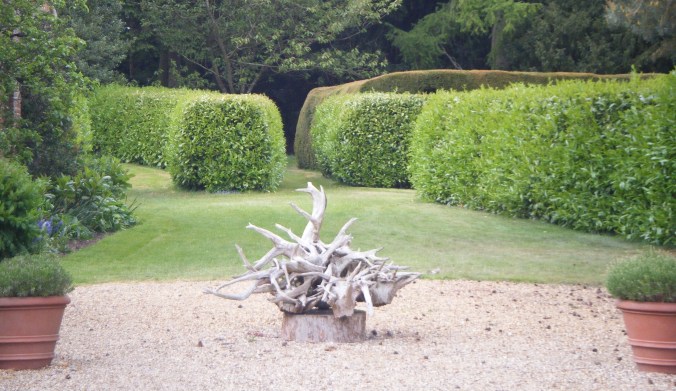
A tree stump acts as an architectural full stop in a driveway.

DSCF0773.jpg

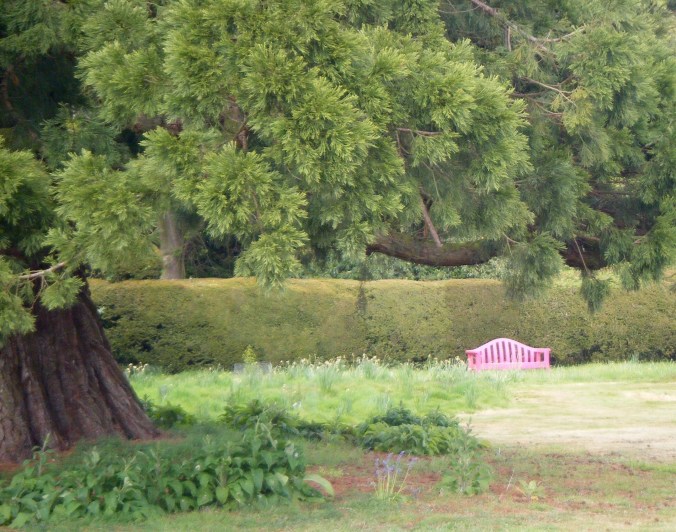
It is the end of the day and the visitors have all gone; the bright pink bench is at last empty.

DSCF0772.jpg

A perfect afternoon for families and friends, it has been a joy to see so many visitors relaxing in such beautiful surroundings and there is something here for all ages to enjoy. Parents from the local school have been in charge of the teas which has naturally brought many children here too; and what entertainment they have had exploring the lakeside paths, wandering through the wild woodland and cartwheeling on the spacious lawn.  What pleasure they have had while at the same time raising precious funds for their school.

Entrance for children to all NGS gardens is free.

Sezincote, an Indian surprise. (39)

Sezincote is a 4,500 acre estate which nestles in the gentle rolling Cotswolds. I drove down the long drive on a sunny day accompanied by my niece who has ridden over the land and knows this Heythrop Hunt country like the back of her hand. She had however, never visited in the summer and on a warm May day the park was looking overwhelmingly lush and lovely.

John Betjeman, in a poem refers to the “home of the oaks”, for Sezincote (pronounced Seezincote) is derived from Cheisnecote, from chêne, French for oak, and cot for dwelling.

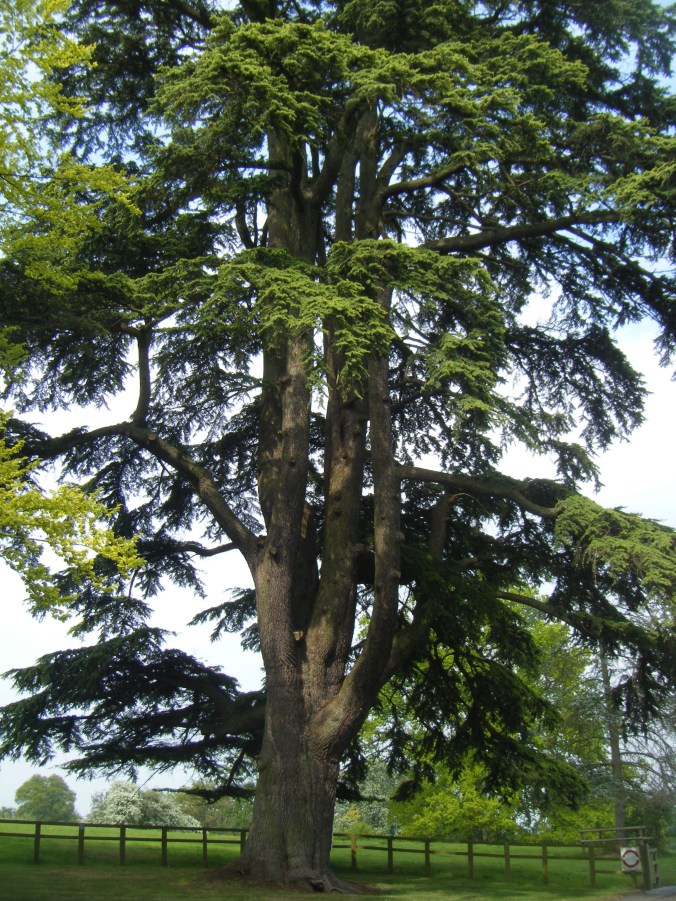
Oaks of course are not the only trees to grace the park, there are several different species, mature and stately, many are from the original landscape planting,

DSCF0680

It is thought that Humphrey Repton worked here and he alludes to Sezincote in some of his correspondence, however there is some doubt because of the absence of his  ‘red book’.

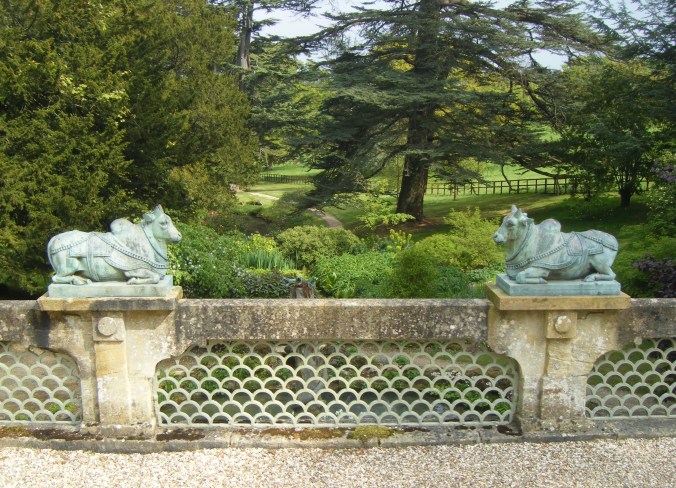
Before heading up towards the house we pause a moment on the Indian bridge to admire the Brahmin cows, then duck down to the left into the water garden known as ‘Lower Thornery’.

DSCF0674 (1).jpg

The house and gardens fell in to disrepair in the first half of the 20th century. In 1944 Sir Cyril and Lady Kleinwort bought the house and set about a restoration programme.  The water had almost disappeared so they made the pools waterproof and re-established the flow of the stream. They also sought the expertise of the great horticulturalist of the day Graham Stuart Thomas who continued to advise for over 30 years.

We follow the gravel path which runs parallel to the stream. There is an interesting collection of trees and shrubs, many of which are Thomas’s recommendations.

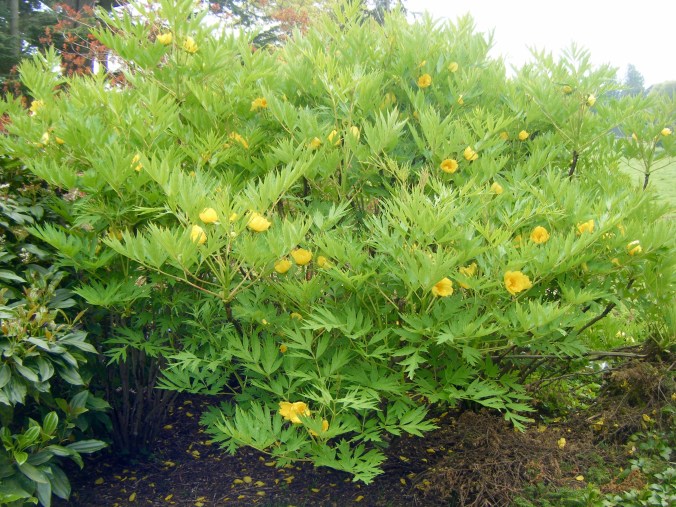
A Tibetan tree peony paeonia lutea ‘Ludlowii’  is looking particularly splendid today.

DSCF0592.jpg

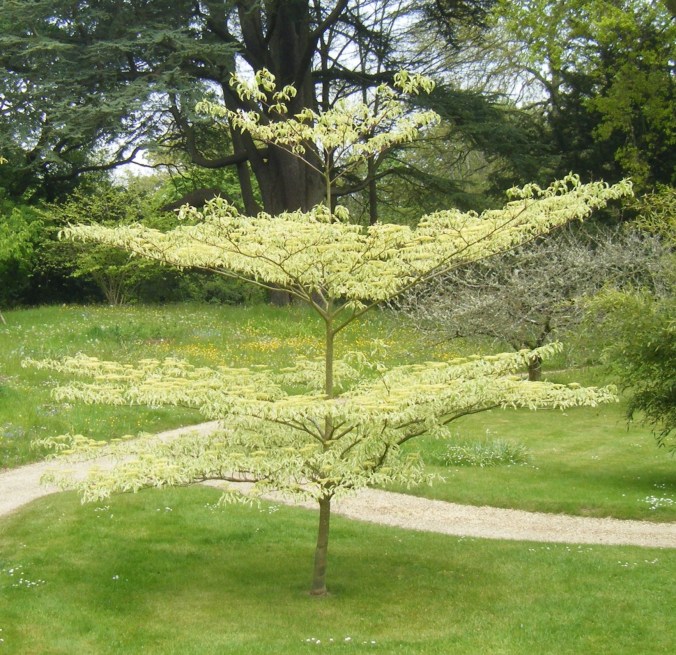
There is plenty of space for the specimens to grow, and the fact that they are not crowded is to our benefit; Cornus controversa variegata the wedding cake tree can be enjoyed from all angles.

DSCF0600.jpg

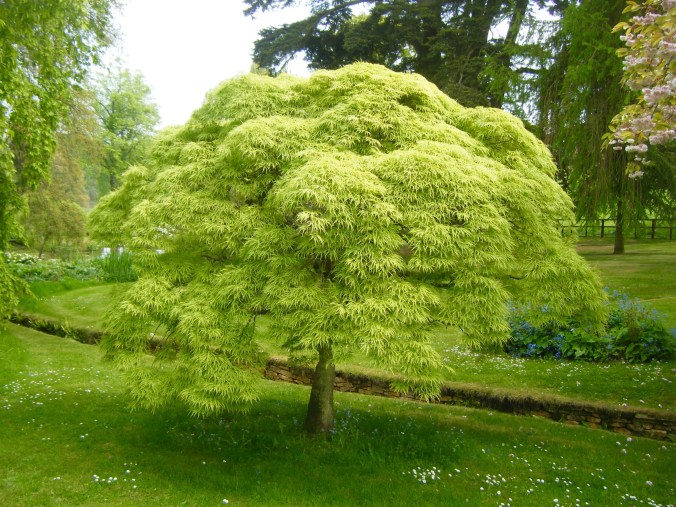
The Japanese maple Acer palmatum ‘Dissectum’ is a lovely shape with a fresh soft green this time of year.

DSCF0594.jpg

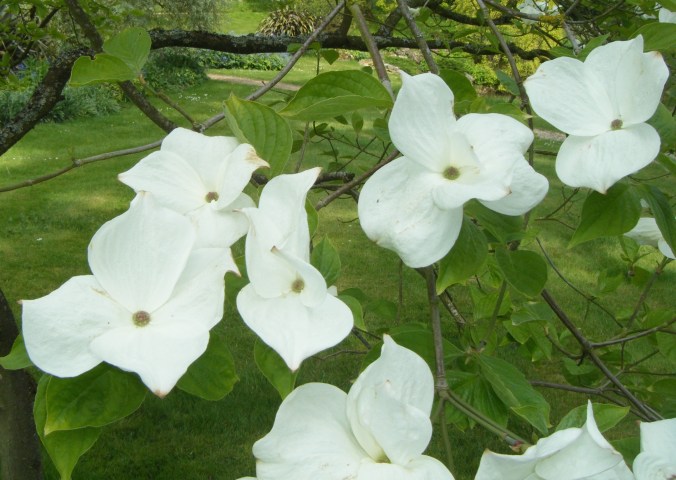
It is the natural Spring colours of white and green found in cow parsley, hawthorn and Horse Chestnut growing in the surrounding park, that are echoed in the plants in this beautiful little valley. The magnificent flowering bracts of Cornus kousa, 

DSCF0608.jpg

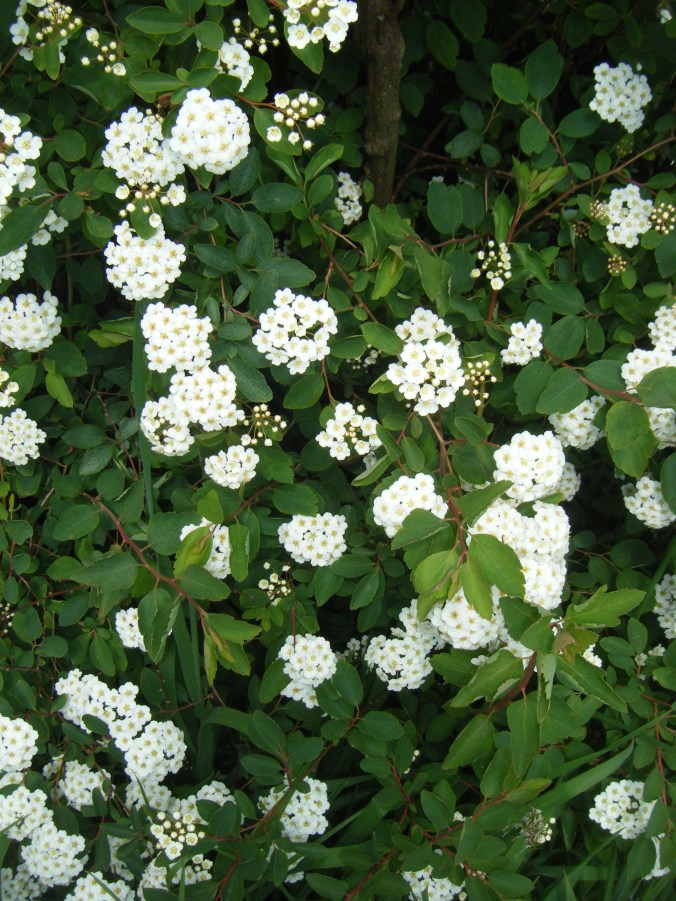
the eye-catching spirea,

DSCF0601.jpg

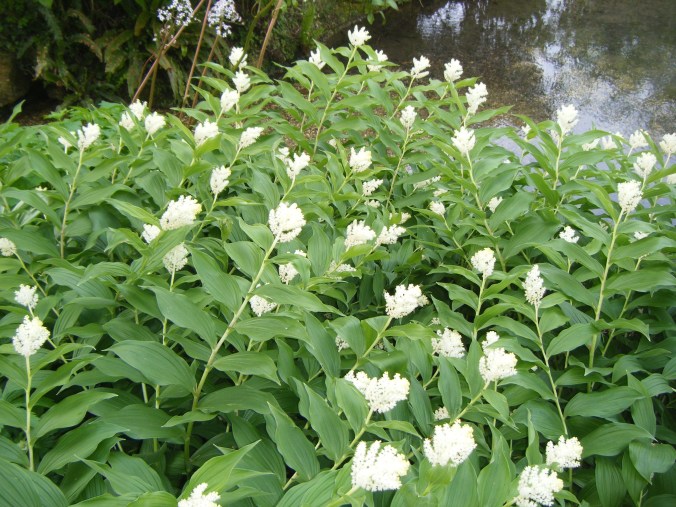
and a large clump of the softly scented maianthemum racemosum (smilacena racemosa) growing by the water’s edge.

DSCF0612.jpg

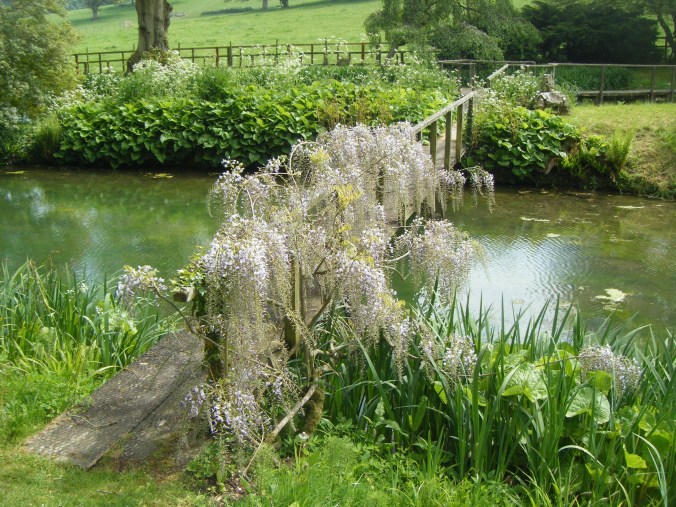
Even the wisteria on the bridge is white.

DSCF0603.jpg

By the path stands an aged tree, a weeping hornbeam carpinus betulus ‘Pendula’ which we discover is considered to be the largest in the country.

DSCF0596.jpg

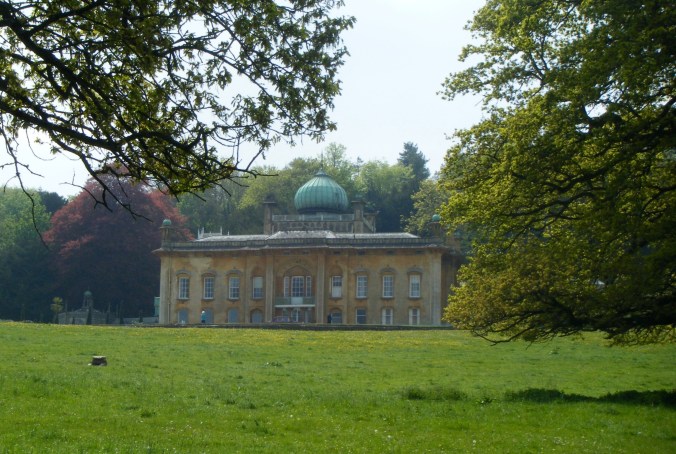
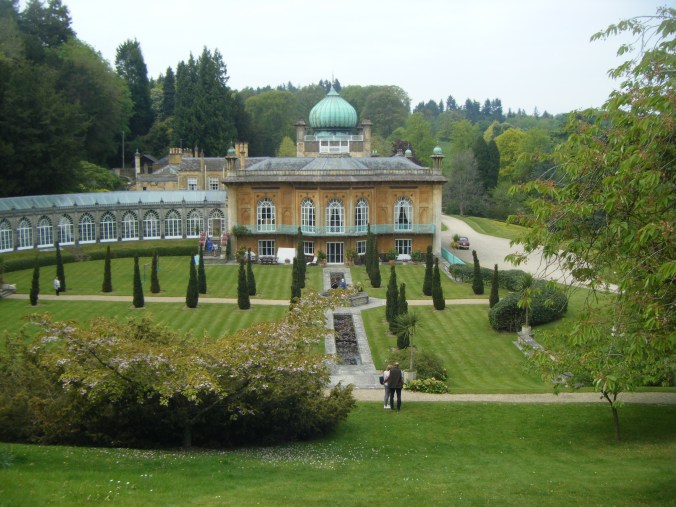
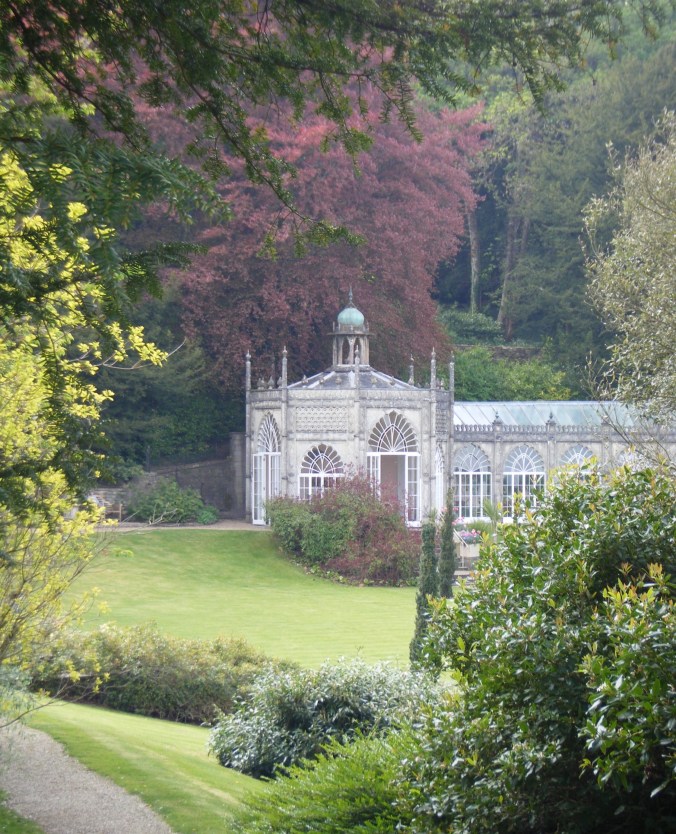
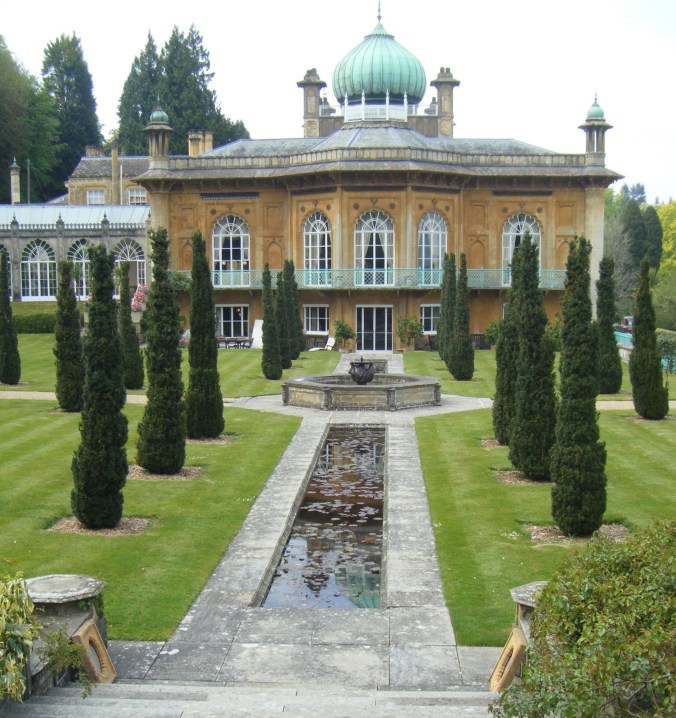
Walking back up the winding path from the lower pond we catch sight of the house across the field, magnificent with its weathered-copper onion-shaped dome.  It was built by a colonel in the East India Company in a mixture of Hindu and Muslim architecture, and was completed in 1805.

DSCF0607.jpg

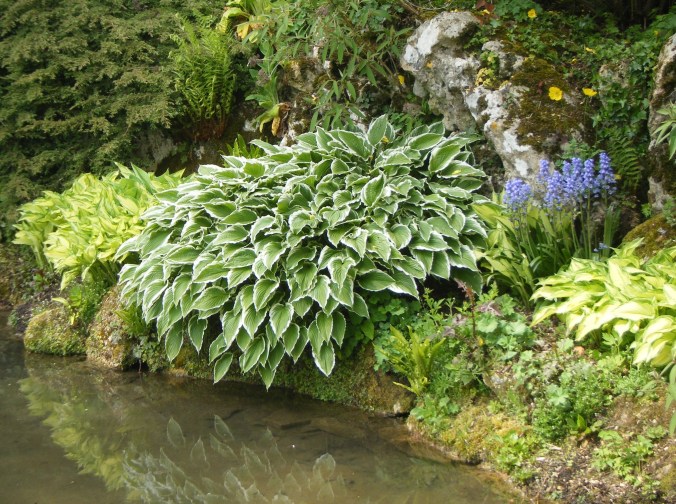
Continuing on the path up the stream we admire the generous plantings of the hostas mirrored in the still pool.

DSCF0611.jpg

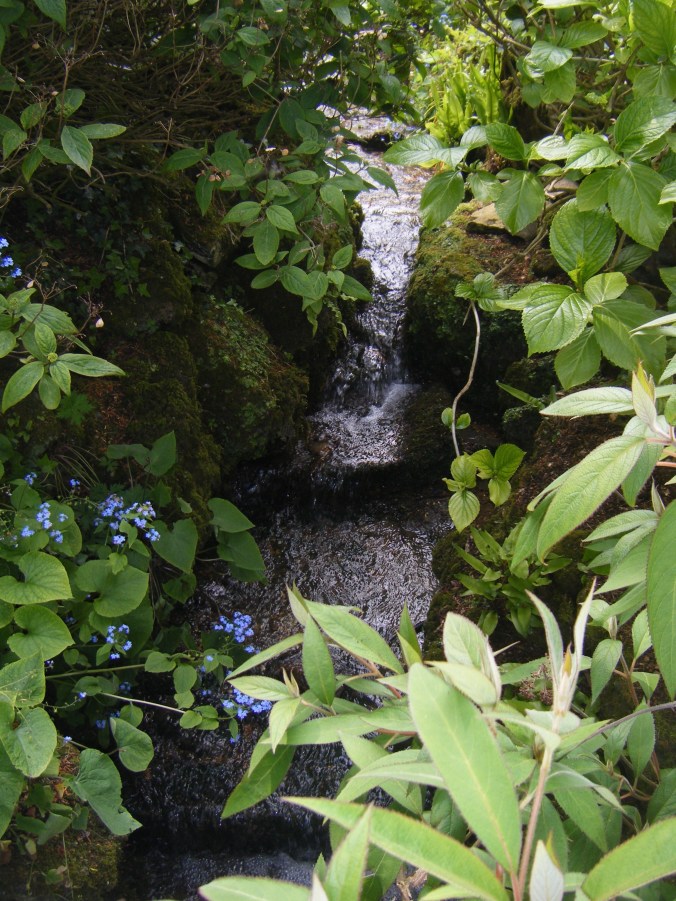
The clear water flows at varying speeds and here it narrows and gently burbles over rocks.

DSCF0613.jpg

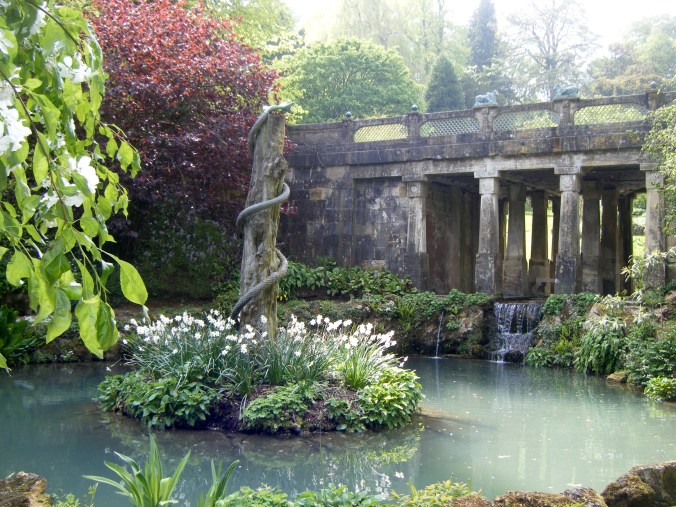
Just before the Indian bridge is the snake pool, named after the three headed snake which slithers up the trunk on the small island.

DSCF0618.jpg

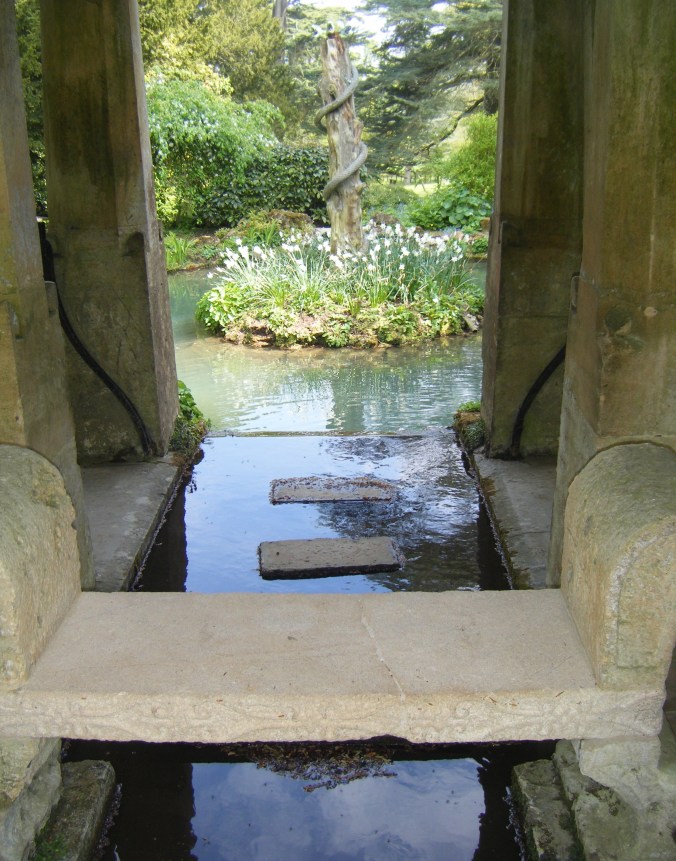
Evocative of a Mogul garden we step over the stones in the cool of the shade under the bridge.

DSCF0622.jpg

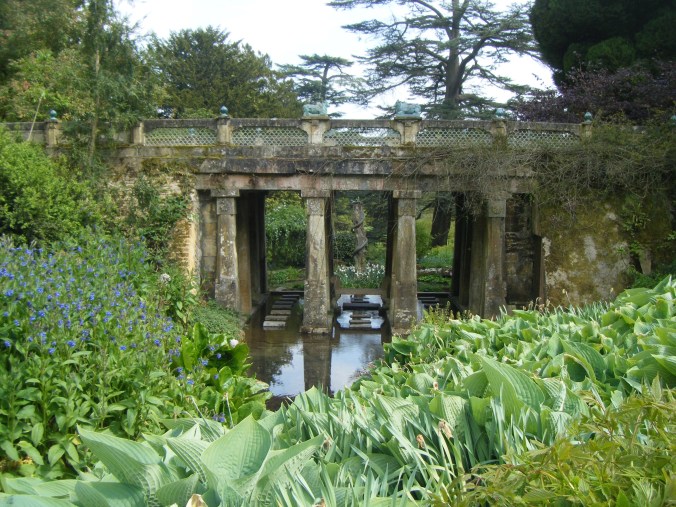
The water is almost still here and the planting lush and verdant, a mix of hosta, brunnera, ferns and Lysichiton.

DSCF0625.jpg

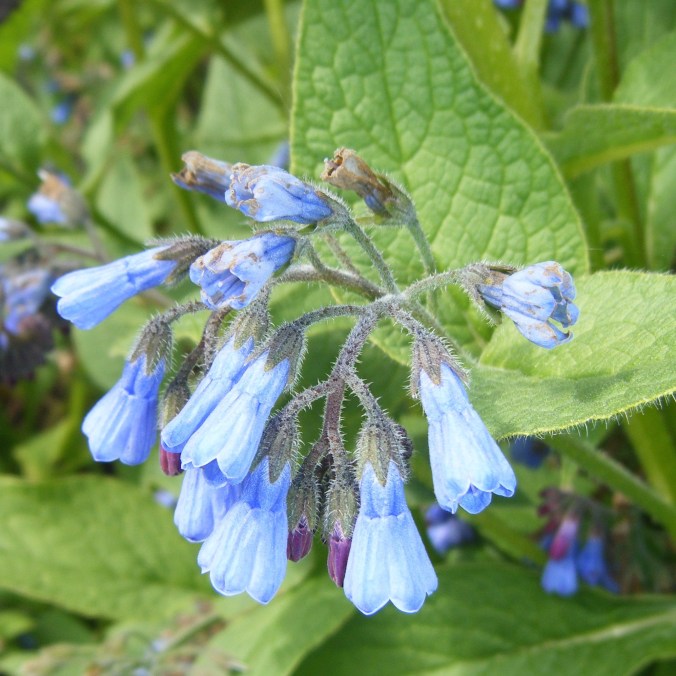
Blue comfrey brings a little colour to the water’s edge.

DSCF0630 (1).jpg

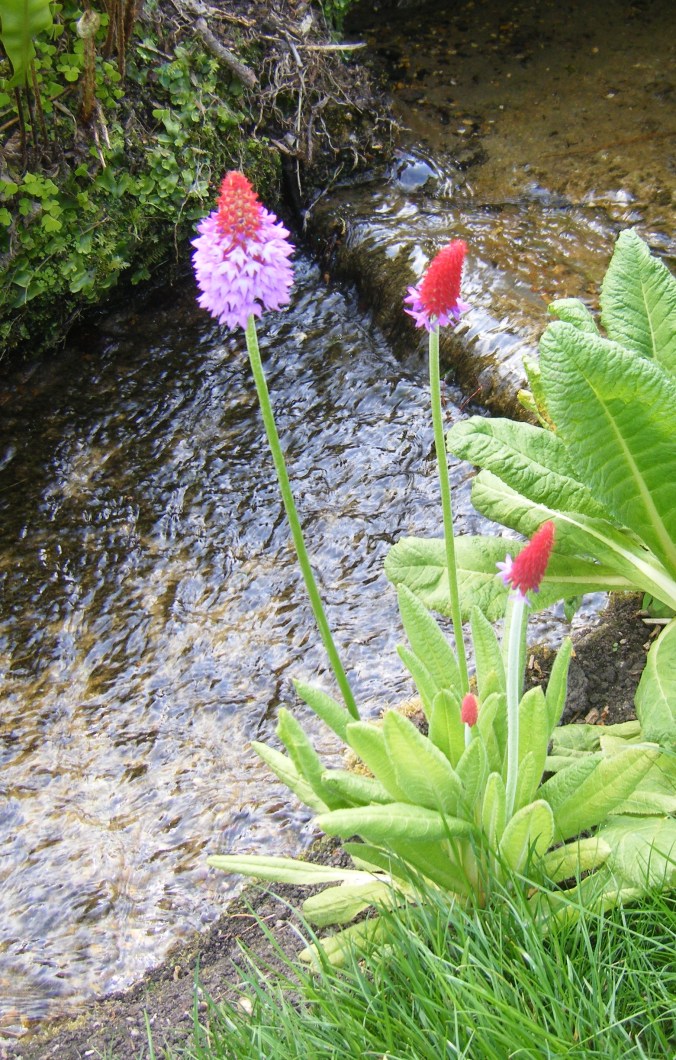
as does the spikes of primula vialli.

DSCF0626.jpg

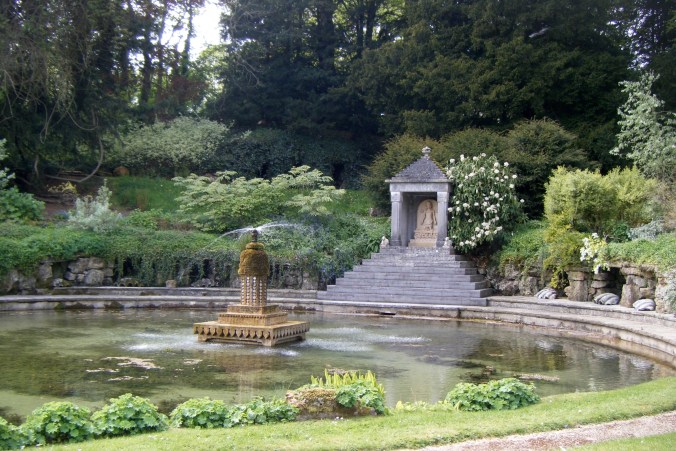
We reach the top pool where in the centre is a fountain spurting water. Above is a little temple with a statue of Surya. The water looks grey against the pale clay, and the plants are silver and white, a typically restrained Thomas touch.

DSCF0628 (1).jpg

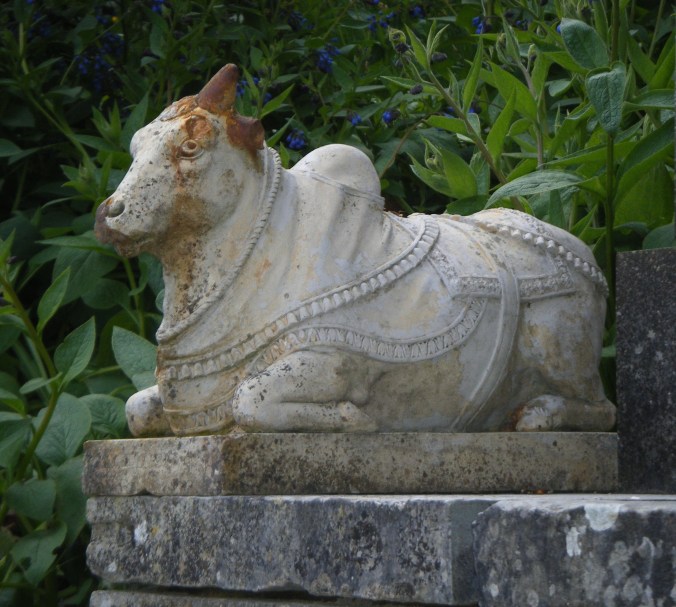
Brahmin bulls originally made from Coade stone, are seated on either side of the temple.

DSCF0632.jpg

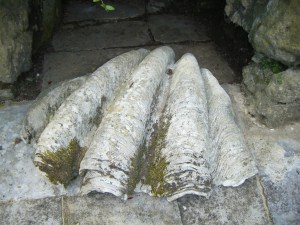
and crumbling grey stone shells decorate the base of the surrounding wall.

DSCF0631

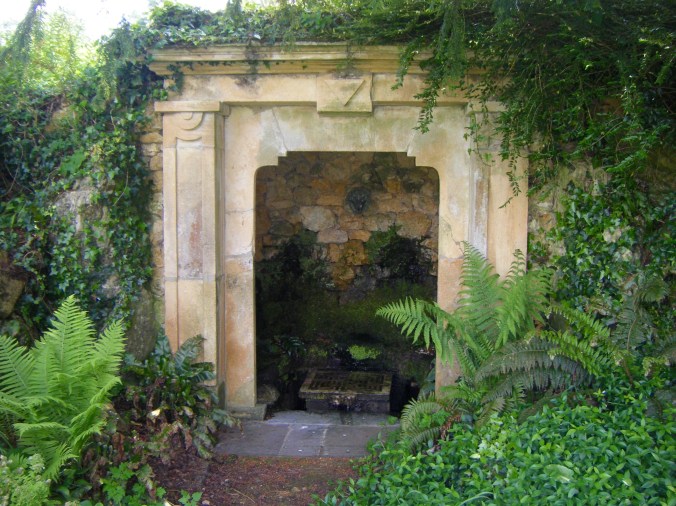
Leaving the Temple pool we step along the Deodar grove, passing the house to the grotto on the far side. Slightly reminiscent of a fireplace it is surrounded by evergreens and ferns,

DSCF0636.jpg

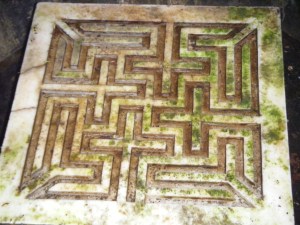
and inside on the floor is a marble slab engraved with an intriguing pattern.

DSCF0635

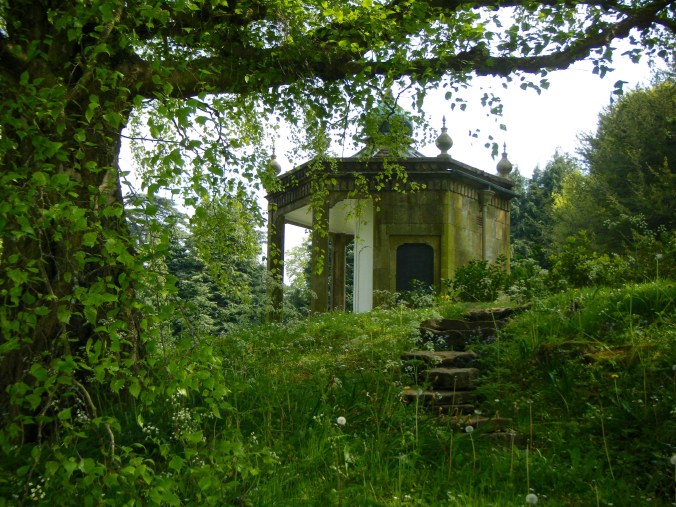
Close by and up the steps is an exotic temple, not an 18th century wonder but a tennis pavilion built in 1961.

DSCF0638.jpg

Before the war there would have been a team of 12 gardeners. The work force is much reduced now and we find the head gardener busy weeding. He is happy here and lives in a cottage set back near the old dairy overlooking the wildflower garden; it is in an enviable situation and away from the public.

From up high we view the house, the curving orangery and stately Persian garden.

DSCF0646.jpg

As we descend the path the Spring colours are glorious and the architecture dazzling with minarets and peacock-tail windows.

DSCF0642.jpg

Modelled on the Taj Mahal after a visit made by the Kleinworts, the design of the canal was created by Thomas who cleverly suggested the use of Irish yews rather than Italian Cypresses dominant of warmer countries.

DSCF0651.jpg

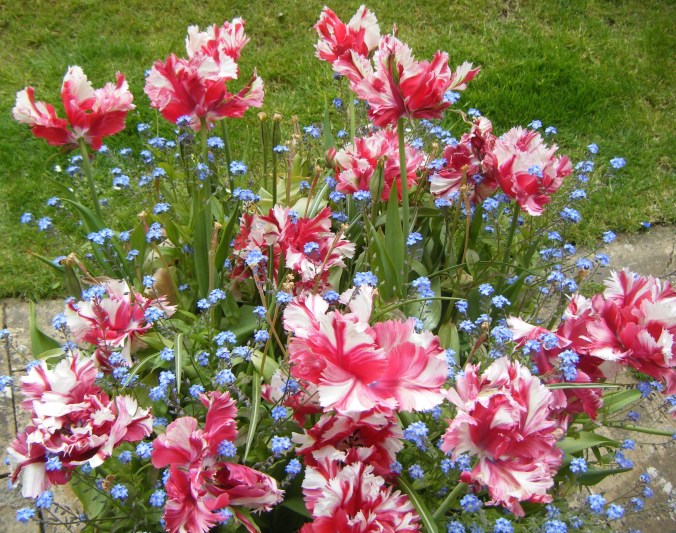
Bright parrot tulips loudly adorn the steps to the Orangery.

DSCF0660.jpg

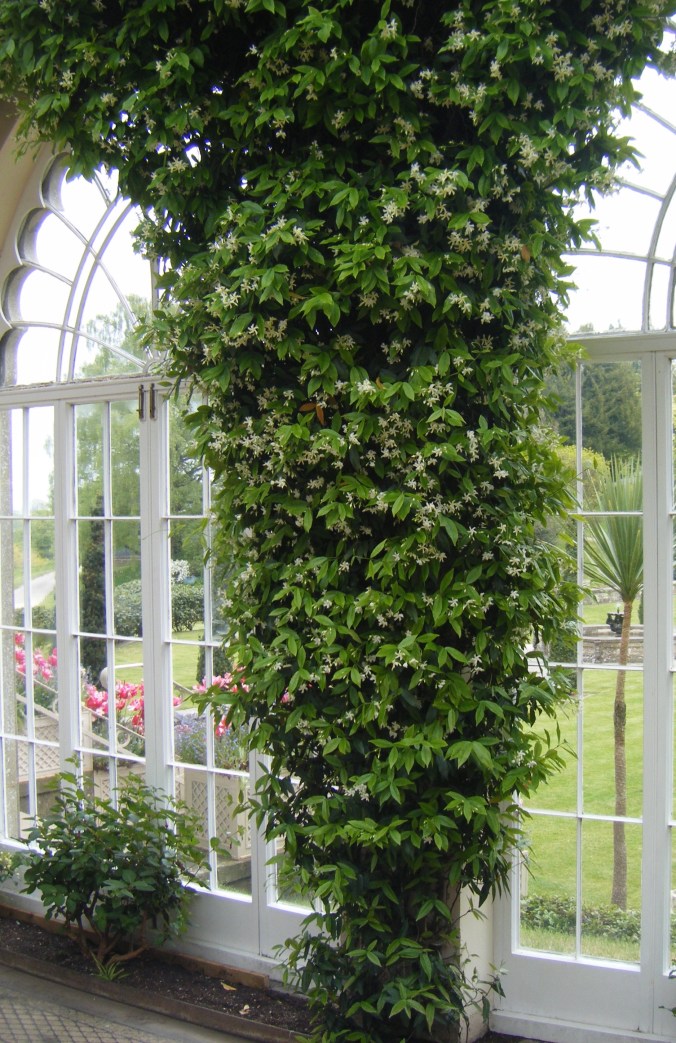
And inside is a calming variety of tender shrubs and climbers. The beautiful window arches are adorned with the sweet smelling Trachelspermum asiaticum. 

DSCF0662.jpg

It is the perfect place to take tea.

DSCF0665.jpg

But we have no time today and so make our way back along the drive to the bridge, promising to return sometime to join a tour of the house.

DSCF0678.jpg

Sezincote is a very curious and pleasing mixture of English Landscape and Mogul architecture. Unique, there is nothing quite like it and what better time to visit than when the garden gate is open for the National Garden Scheme on Sunday 25th June between 2-6pm.

DSCF0677

——-39——-

Pasture Farm, artistry and homely. (38)

I visited Pasture Farm, near Moreton-in-Marsh in the early evening. It is not a good time for photography, the light plays tricks and deepening shadows are difficult to avoid.

However it was lovely to see this fun garden which has been created and has evolved around a working farm over the past thirty years. Divided into a number of informal little areas, imaginative topiary pops up throughout the garden; these having not been bought ready-made but have been lovingly clipped into shape over time and often from a chance seedling.

DSCF0445.jpg

Hare we are!  Sitting up magnificently either side of the front door with the wisteria climbing the wall behind.

DSCF0442.jpg

The hen appears to be looking in at the window,

DSCF0455.jpg

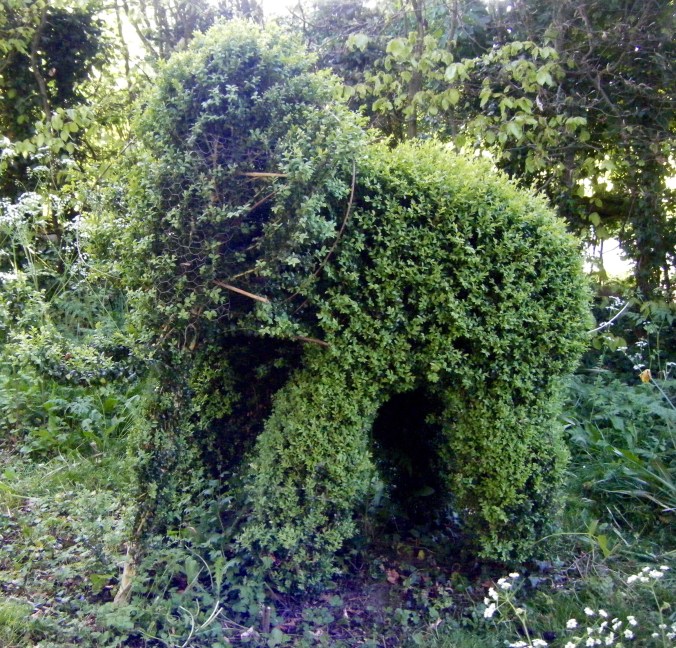
and there at the bottom of the garden in the making is an elephant with a swinging step.

DSCF0446.jpg

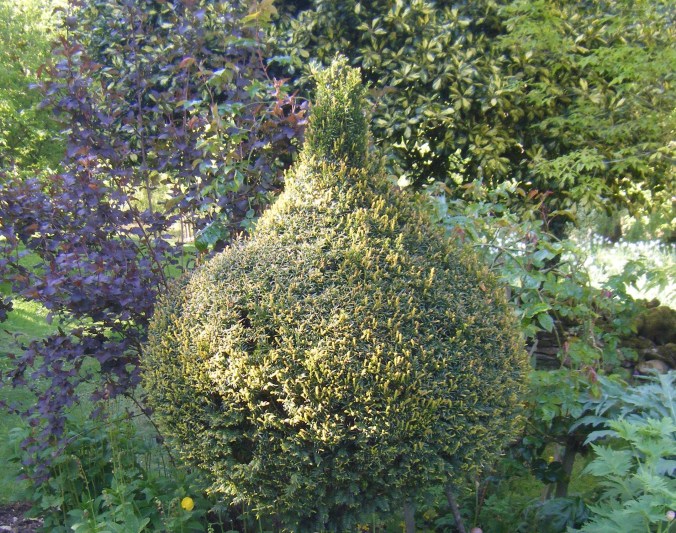
Spirals and all sorts of shapes appear randomly in the borders, maybe an onion?

DSCF0444.jpg

Birds are not all made from topiary, these crested metallic guys are keen to head for the pond. Being a working farm there is plenty of noise from our real feathered friends; chickens, bantams and ducks wander about freely.

DSCF0452.jpg

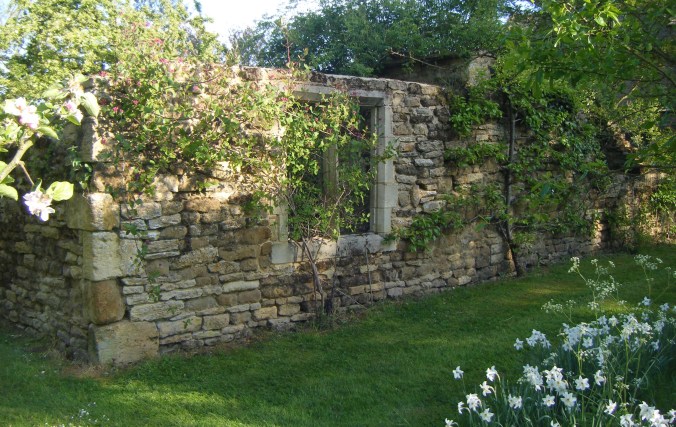
In the garden is a derelict cottage. It reminds me of a centre piece in a Chelsea Show garden, but less fussy and unpretentious it provides structure for climbing roses and honeysuckle.

DSCF0466.jpg

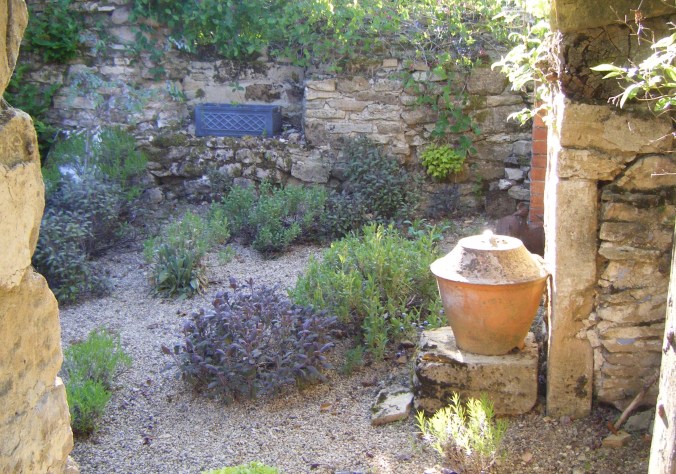
Whilst inside there is a gravelled mediterranean herb garden,

DSCF0461.jpg

and the next door room is just the perfect place to dine.

DSCF0462.jpg

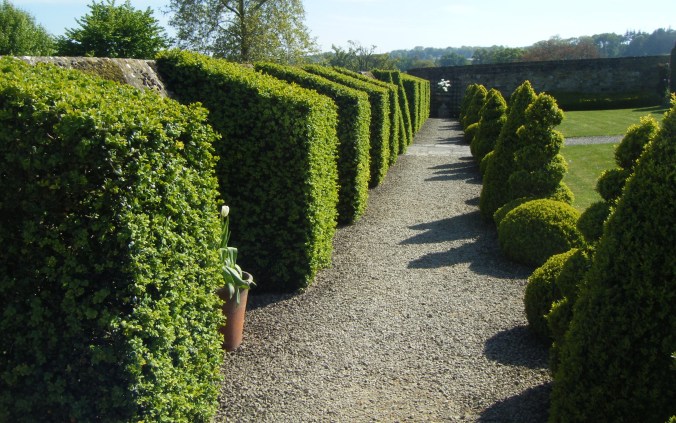
Hedges are clipped tall and formally

DSCF0464.jpg

or low, characterfully and smoothly,

DSCF0469.jpg

and even lower, neatly and finely.

DSCF0497.jpg

Box even skirts round the feet of the pretty apple trees.

DSCF0490.jpg

There is a relaxed feel to the garden and pheasant eye narcissi are still in flower, growing in the long grass.

DSCF0465.jpg

Areas are divided not only by hedges but also old walls; the gateway frames the view of the large copper pot filled with water and placed by the willow-leaved pear pyrus salicifolia ‘Pendula’.

DSCF0476.jpg

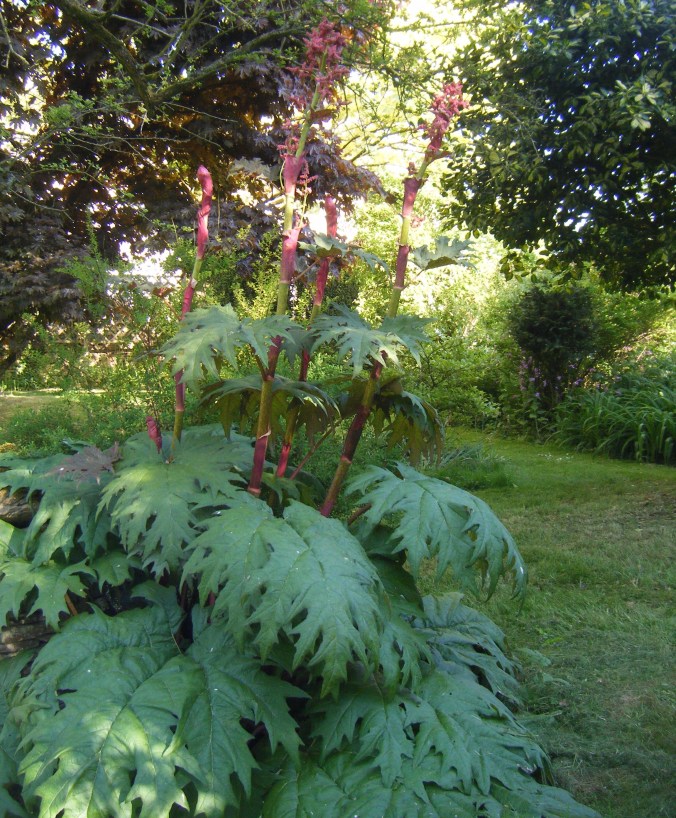
Some plants grow big and architectural such as rheum palmatum ‘Atrosanguineum’.

DSCF0449.jpg

Whilst others such as the maianthemum racemosum (formerly, confusingly, called smilacena racemosa) have a delicate scent.

DSCF0483.jpg

A sumptuous mix of tulips give a jolly display.

DSCF0436.jpg

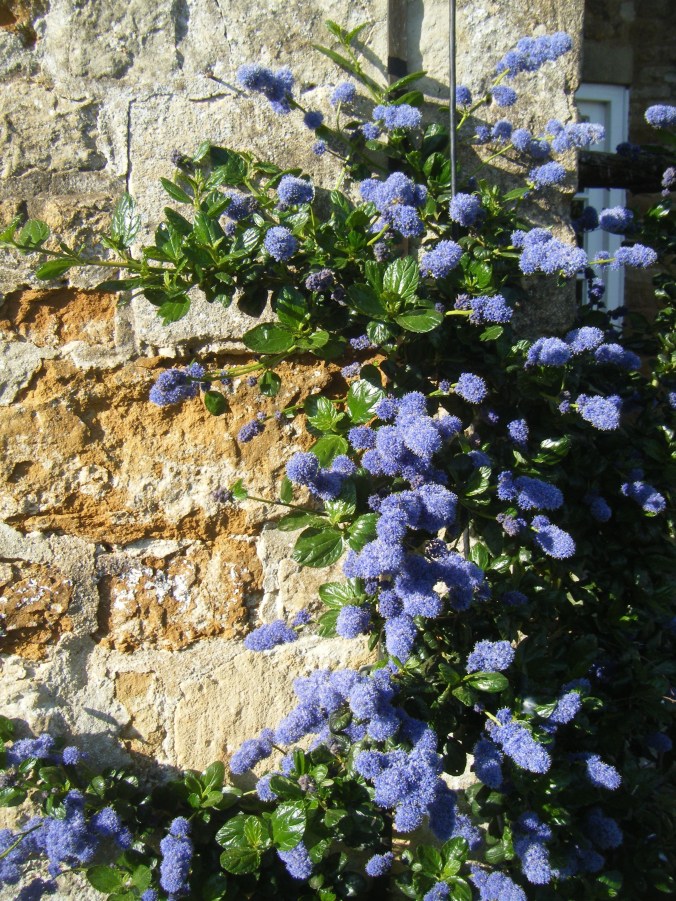
and this Ceanothus looks attractive in the evening light against the crumbling Cotswold stone on the corner of the house.

DSCF0437.jpg

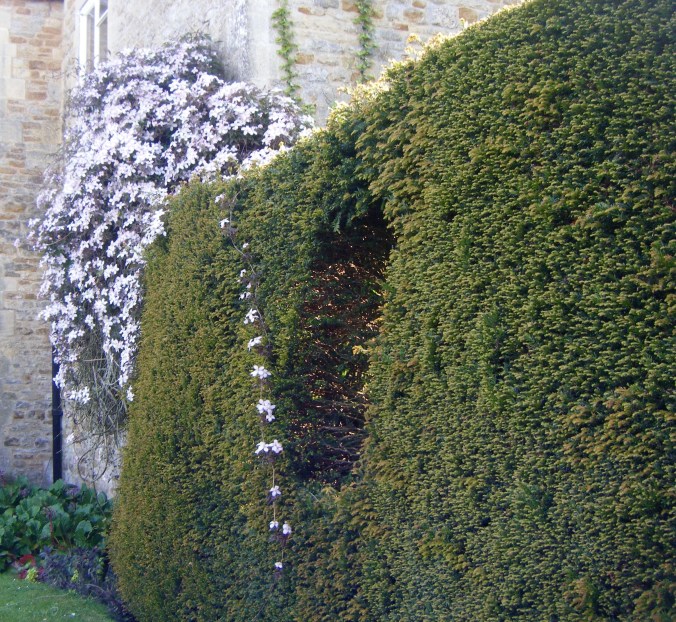
A montana clematis climbs and tumbles on to the yew hedge

DSCF0491.jpg

which has a window through which you can look and view the orchard beyond.

DSCF0489.jpg

Jane is pleased with her new glasshouse where there is a massive industry of plant propagation. These will supply the plant stall at the Open Days which last year generated over £3,000.

DSCF0504.jpg

In the farmyard are the steps up to the room where my niece lives and writes. She admits she is no gardener, but she certainly has the enviable skill of a writer and it is from here that great pieces of work for publication on eventing, hunting and all things equine are quietly created.

DSCF0499.jpgVine and clematis eagerly compete to climb up the steps.

DSCF0434.jpg

Across the other side of the yard angelica, euphorbia and rosemary provide a splash of green by a rusty old tank.

DSCF0500.jpg


The barn has been converted into a modern living space and Jane is enclosing the area with hornbeam and cleverly softening the hard concrete with a variety of planting.

DSCF0503.jpgBeyond is a small meadow packed with wild flowers that will look a picture when the garden is open on Sunday and Monday  of the Bank Holiday weekend. Just out of sight is a working vegetable garden.

DSCF0502.jpg

This is an informal country garden, which has unfolded over the years. It epitomises to me an NGS garden; privately owned, a family home and lovingly cared for by the owners themselves. A plethora of home-grown plants will be for sale and home-made teas will be served. With a choice of  two days it is surely one that should not be missed. The LLoyds will nobly be opening Pasture Farm on Sunday 28th and Monday 29th May from 11am – 6pm.

Bourton House, just beautiful. (37)

Last week I visited my niece who lives in the beautiful Cotswold countryside. It was a glorious sunny day, the first for sometime and so she suggested we visit nearby the garden of Bourton House. Surrounding  an 18th Century house it is in a fine setting.

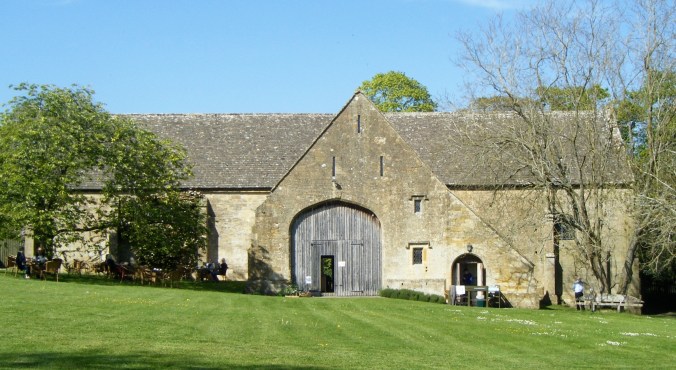
The garden gate is open through the 16th Century Tithe Barn.

DSCF0367.jpg

Actinidia kolomikta clads the wall on the other side of the Barn; known as the painted vine I fail to give an explanation on how or why it produces such colouring; in a vain attempt to sound knowledgeable I comment on the fact that it appears only on the mature male plants.

DSCF0368.jpg

An elegant gates draw us further into the main part of the garden,

DSCF0369.jpg

where we turn immediately left and walk along the path parallel to the wall which is lined with fun shaped topiary.

DSCF0426.jpg

The scent of lilac fills the air in the White garden,

DSCF0372.jpg

and the last of the tulips are still looking stunning.

DSCF0374.jpg

The white theme is carried on in the gravel which glares in the sunshine, and the imitation white flamingo cools his feet in the water.

DSCF0373 (1).jpg

Elegant trellis is the backdrop to the wide herbaceous borders; the shape of the top is reflected in the hedging and metal work throughout the garden.

DSCF0424 (1).jpg

Purple-leaved cow parsley anthriscus sylvestris grows daintily amongst the clumps of perennials yet to flower.

DSCF0370

The secluded parterre nestles in behind the glasshouse,

DSCF0383.jpg

which is bursting with tender plants ready for summer planting.

DSCF0371.jpg

Across the neatly mown sward and behind terraced flower beds is the 18th century raised walk.

DSCF0385.jpg

Where ivy clad seats allow you to look out on either the gently rolling pastures,

DSCF0386.jpg

where cattle graze in the distance

DSCF0388.jpg

or back towards the architectural delight of  Bourton House.

DSCF0389.jpg

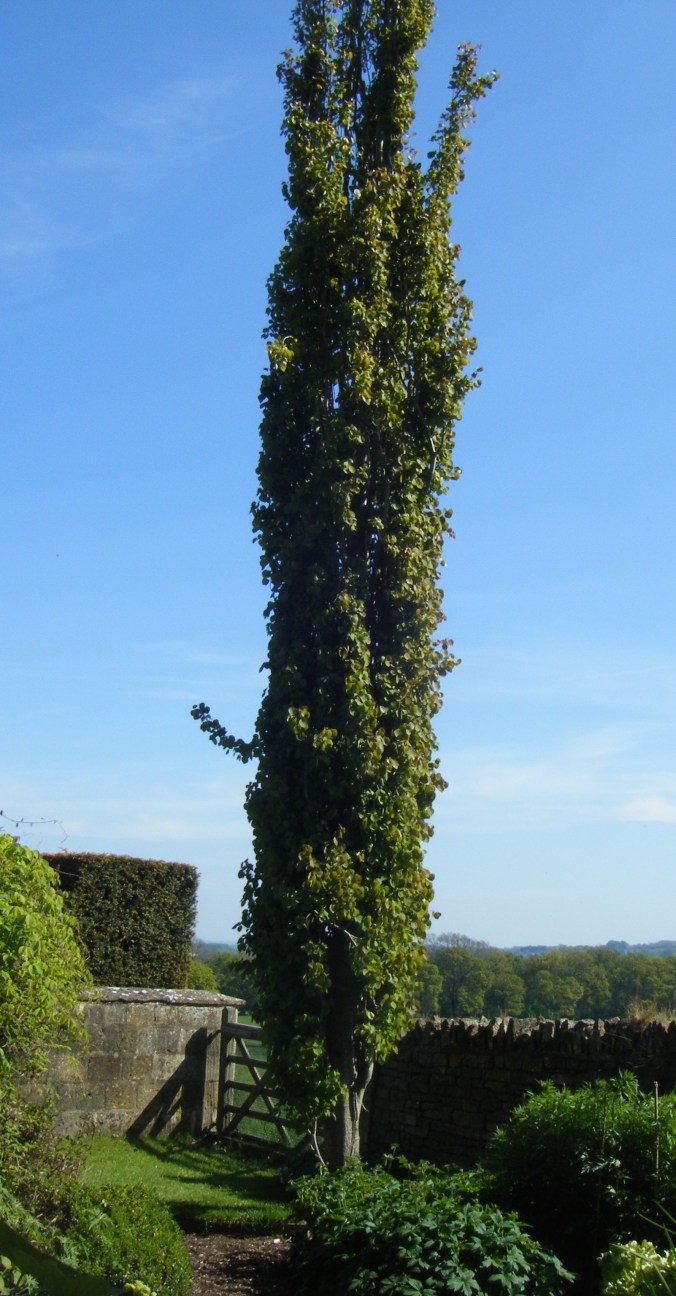
Fastigiate beech fagus sylvatica Dawyck, reaches up to the sky along the boundary wall.

DSCF0400.jpg

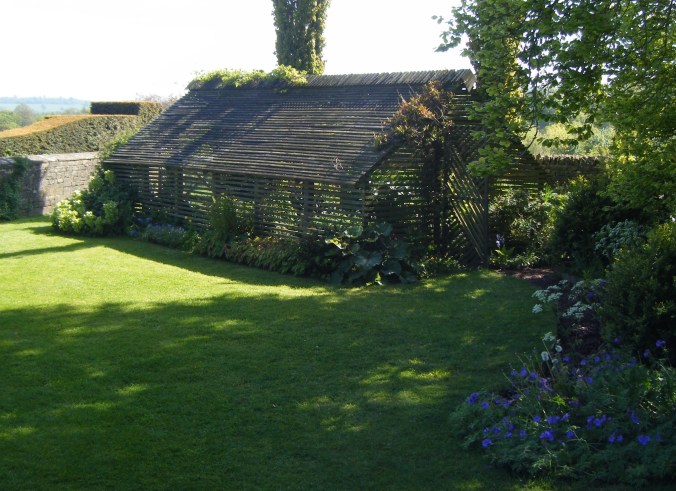
You might think this is a boat house but nowhere near water,  slightly sunken and slatted it is in fact a home to a variety of shade loving plants:

DSCF0401.jpg

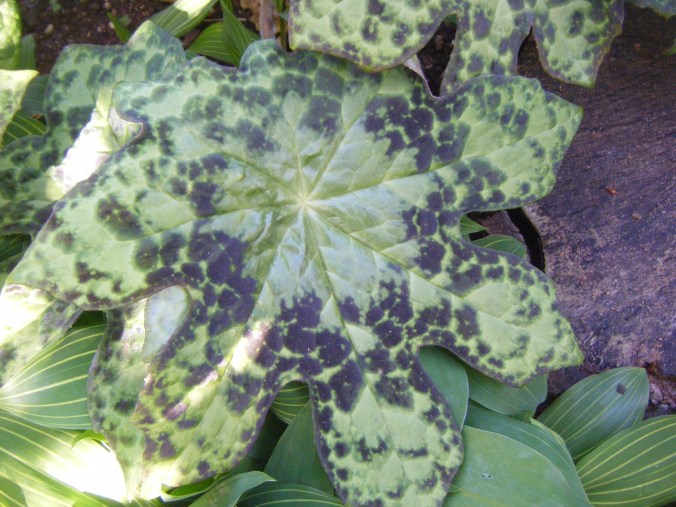
In particular the exotic and medicinal types of Asian May Apple are loving it here; podophyllum pleiathum 

DSCF0396.jpg

and the glorious podophyllum ‘Kaleidoscope’.

DSCF0395.jpg

It is afternoon and the intriguing knot garden is in dappled shade.

DSCF0406.jpg

and an elegant oval pond is the centrepiece.

DSCF0405.jpg

The stone exedra sited in the dapple shade at the edge of the lawn brings a slight air of antiquity. On the tree trunks behind the ivy is trimmed in a way which looks as if they are wearing boots.

DSCF0410.jpg

Nobody normally wants ground elder but this variegation brightens an area under the trees.

DSCF0414.jpg

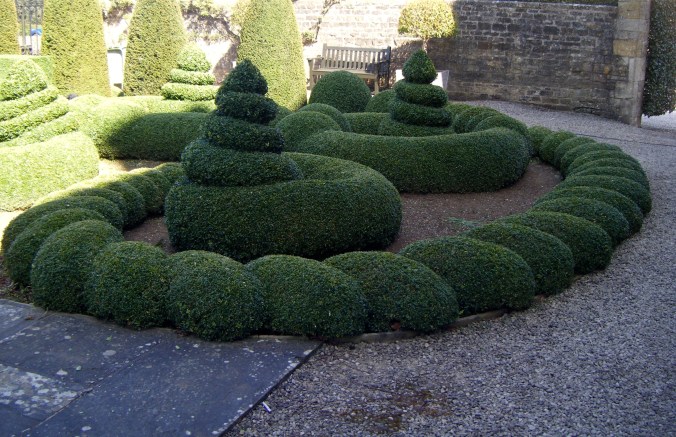
On the roadside front of the house the topiary which looks as if it might have been whipped and piped twists around in a circular movement, the gardeners have just begun to clip it.

DSCF0415.jpg

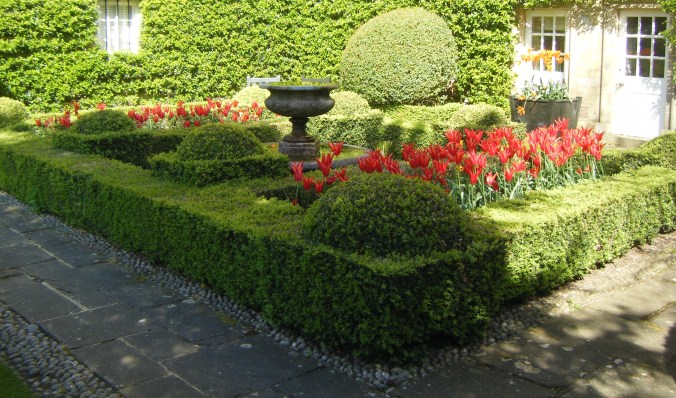
To the side of the house more box is clipped and shaped perfectly framing the scarlet tulips.

DSCF0421.jpg

After taking tea outside the Barn and clutching bags of the most mouthwatering fudge,

DSCF0428.jpg

we cross back over the road and walk through the  specimen trees which were planted in the early nineties. The trail begins with not so much an angel of the north but perhaps a cherub of the Cotswolds!

DSCF0433.jpg

A sunny day always adds to the delight of visiting a garden but there is real horticultural perfection here. When I asked the Head Gardener how long he had worked here he replied proudly ‘as man and boy’. Through several changes in ownership, it is a testament to his skill that the three acre garden provides such pleasure and having first opened on a single Sunday in 1987 for the National Garden Scheme it has been winning prestigious awards ever since. This year the garden at Bourton House opens for the NGS on Sunday 18th August 10 am – 5pm.

——-37——-