Grapes Hill Community Garden, Norwich.

I just cannot imagine life without access to a garden. According to the Kings Fund Report (May 2016) 87% of households in the UK have a garden and in a typical city, one quarter comprises private gardens which make up half its green space. https://www.kingsfund.org.uk/sites/default/files/field/field_publication_file/Gardens_and_health.pdf

I am not sure whether Norwich is in the category of a ‘typical city’ but it is here that I visited the Grapes Hill Community Garden and reaching it by walking up Valentine Street, my first glimpse was to look down over the fence.
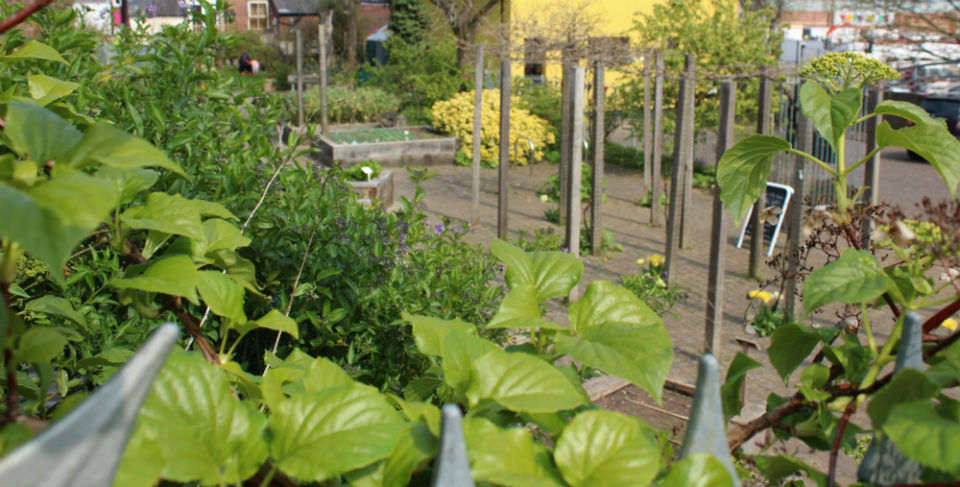
Once a disused and unsightly area laid with tarmac, this now flourishing garden, all of 50m by 12m, was created by a group of people who came together in 2009. Consulting the local community on the design, and collectively raising funds, the following year they were granted National Lottery money which enabled removing the tarmac and laying the hard landscaping.
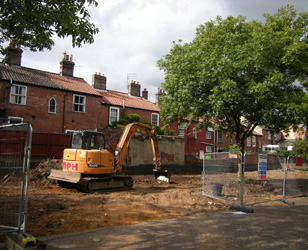

In 2011 the planting began and the garden was opened to the public in July of that year. You can read more about the development from the website from where I have borrowed the above and below photographs: http://grapeshillcommunitygarden.org/pages/
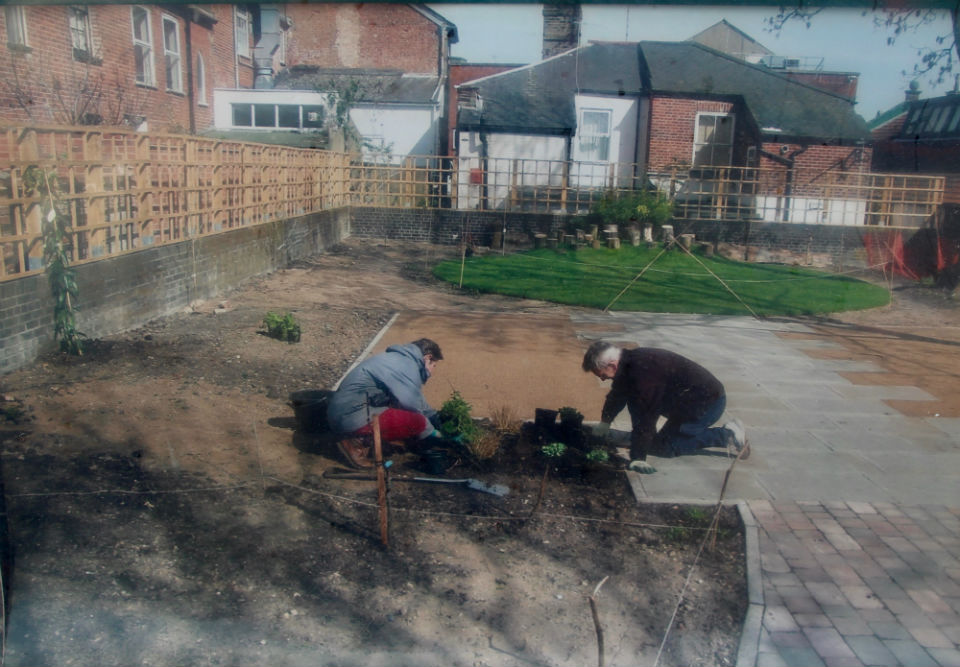
With such a warm invitation at the gates it is hard not to pop in.

A bold wooden pergola greets you as you enter. The uprights appear a little naked right now but a wisteria is taking a hold, recklessly winding its way up,

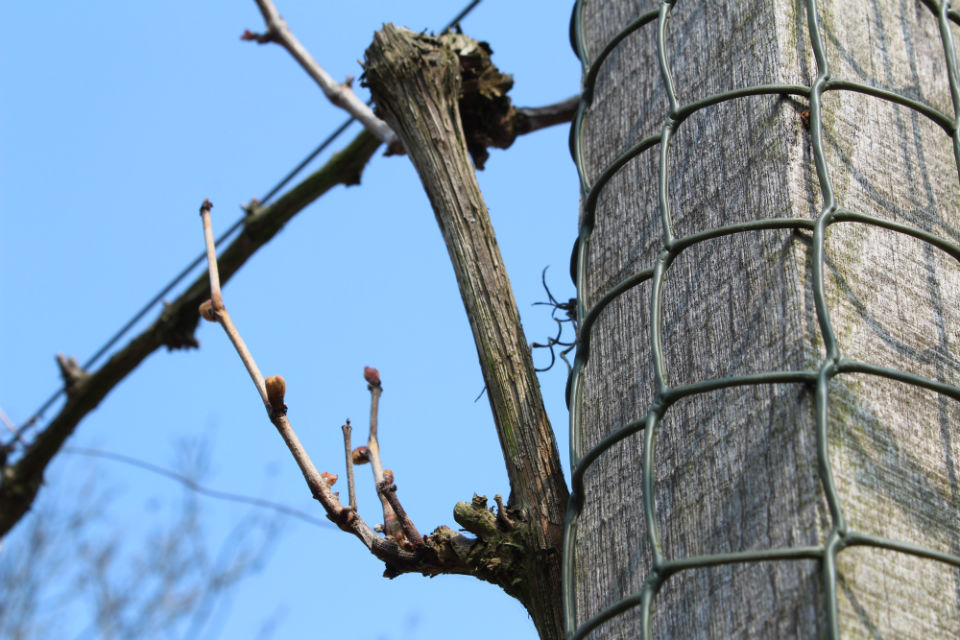
and on another post is a more controlled vine; appropriately planted considering this is Grapes Hill, it will soon burst into leaf and it is one of the many plants sponsored by local people and businesses.
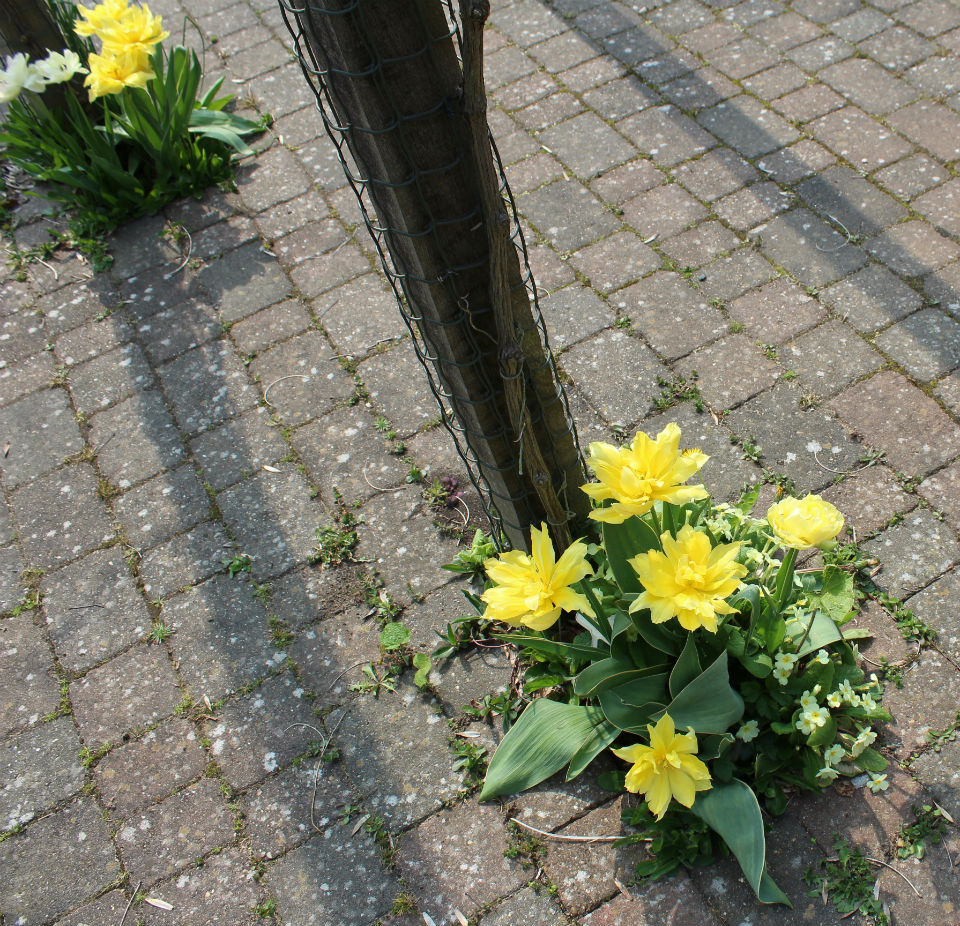
At the base of the pillars, tulips and primroses soften the brickwork and bring a touch of spring colour.
These beautifully raised beds are available to rent.

The garden is also used as a teaching area – a free AQA Level 1 Gardening course running for 10 weeks is being offered. In this bed the different types of bulbs are being displayed, the red tulips are determined to be the biggest.

This is not just a place to learn and work; there is a seating area with a verdant lawn beyond to pick daisies.
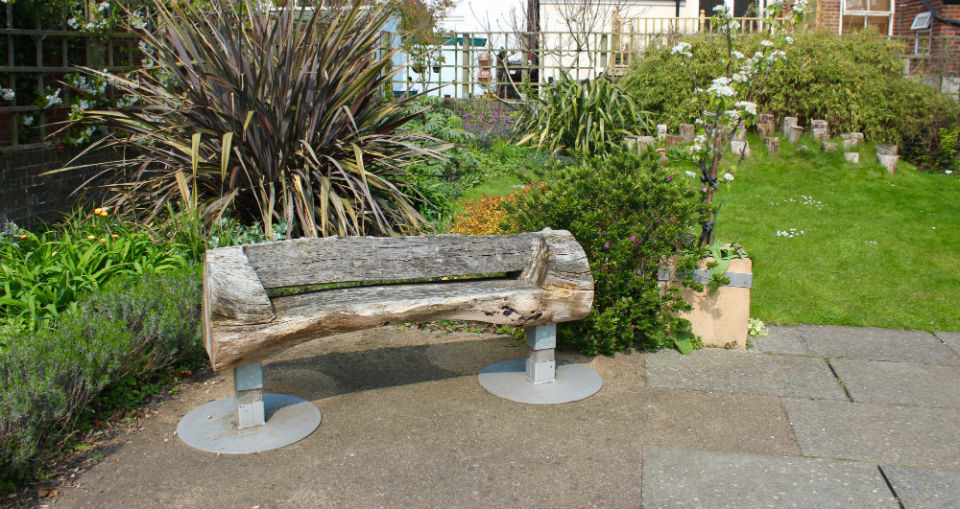
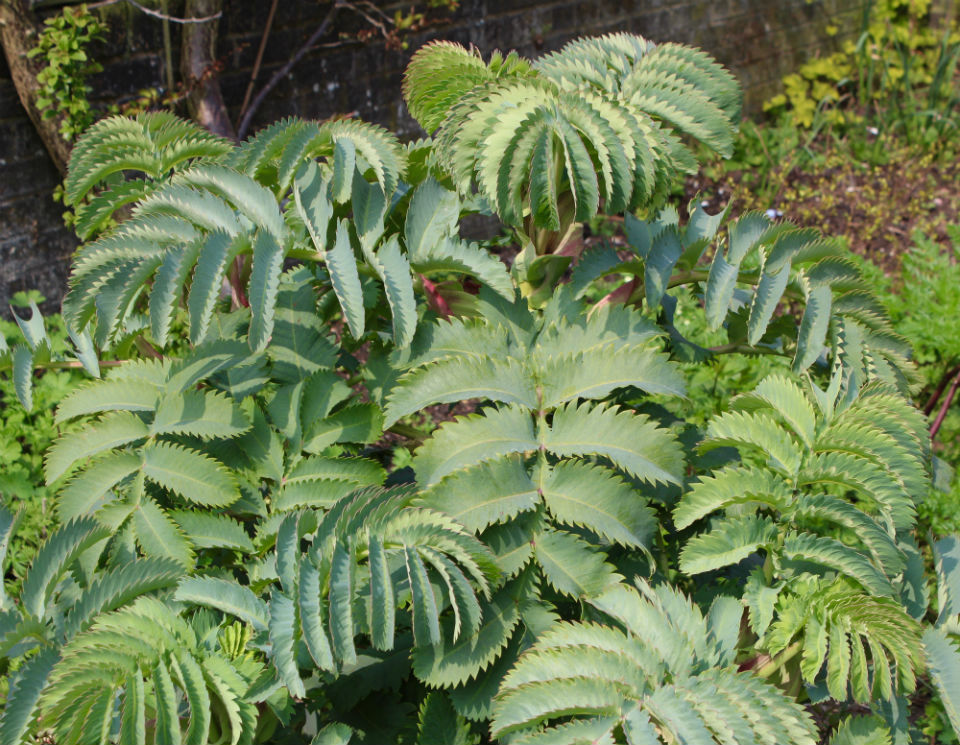
In fact Jo the Head Gardener encourages visitors to pick and enjoy the leaves of herbs such as the lemon balm,

and as she chats to me she rubs the evergreen leaves of the architectural honey bush Melianthus major and it exudes a waft of peanut butter.
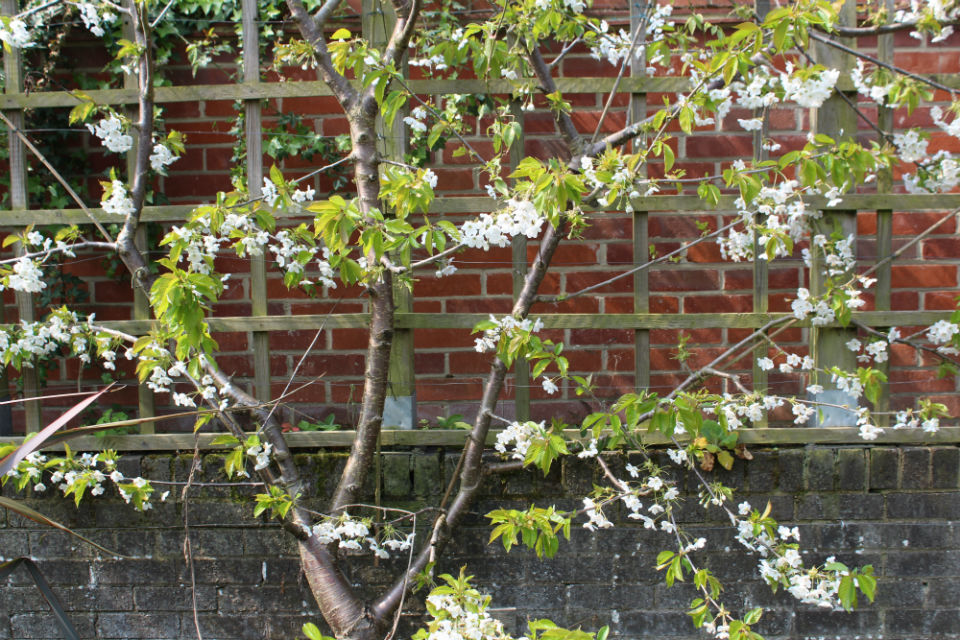
There are several fruit trees growing in the garden either planted on the trellis surrounding parts of the garden,
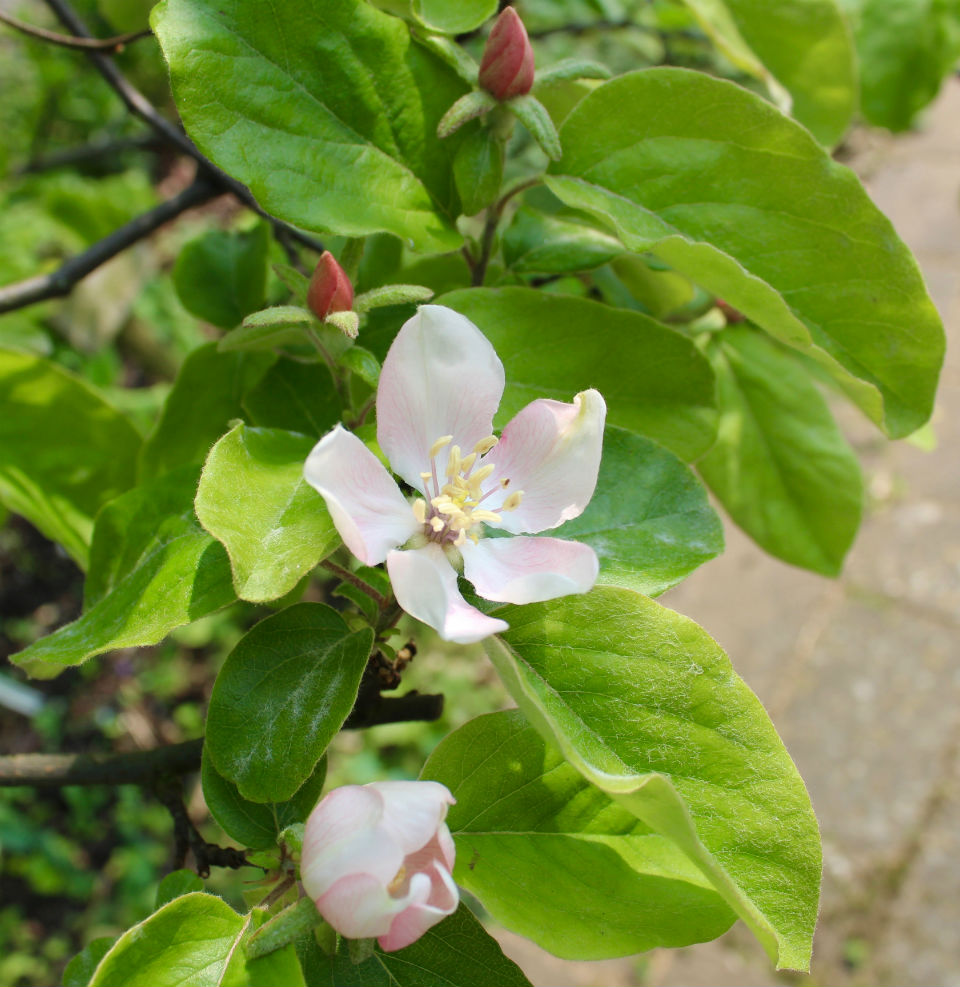
or free standing like this magical Quince Cydonia oblonga. Donated by local nurseries their blossom somehow brings a ray of hope.
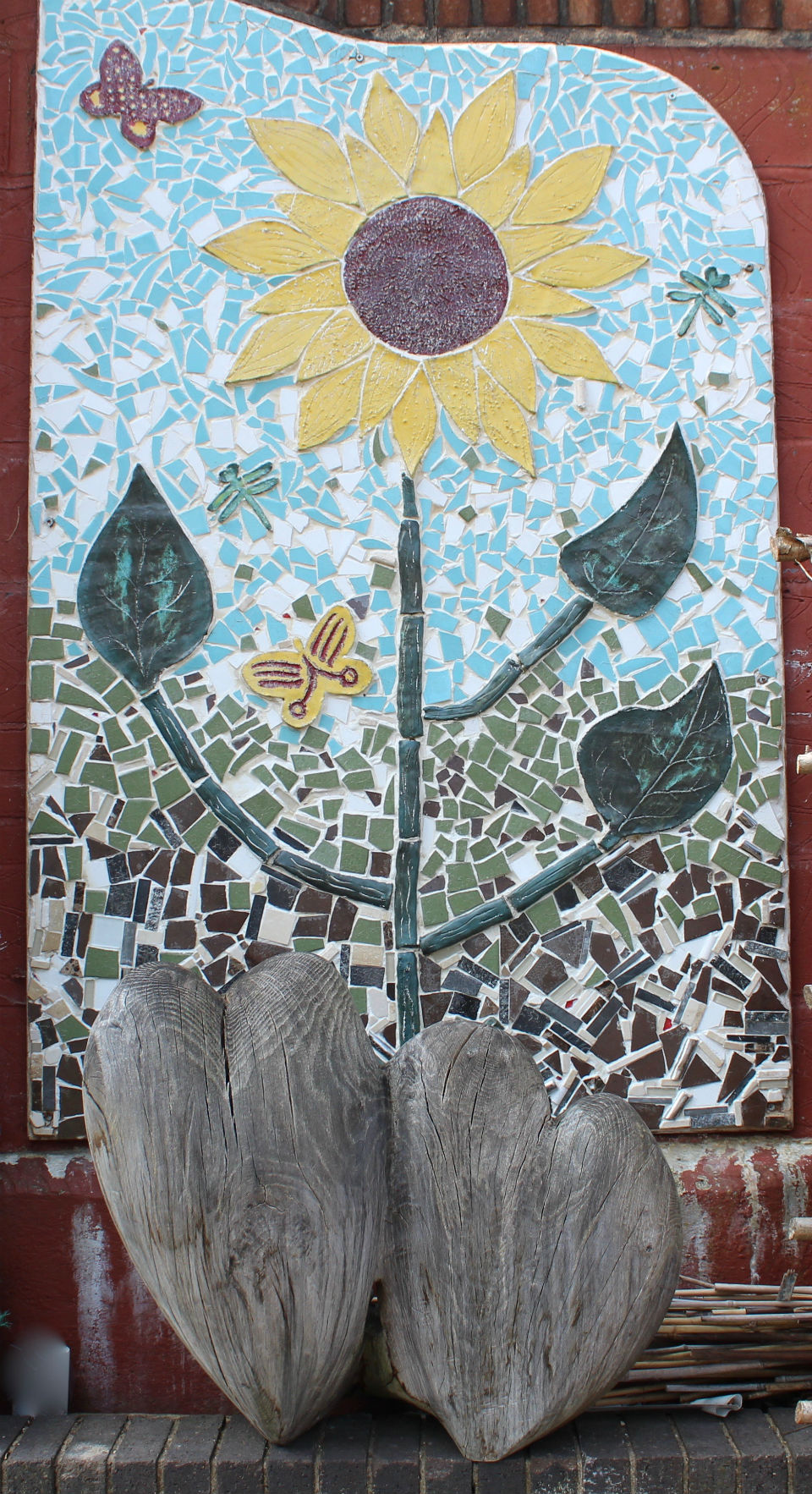
In such a small space there is a lot going on; a joyful mosaic rises up against the wall,
and a trellis of seed heads collected and created by a group of children.

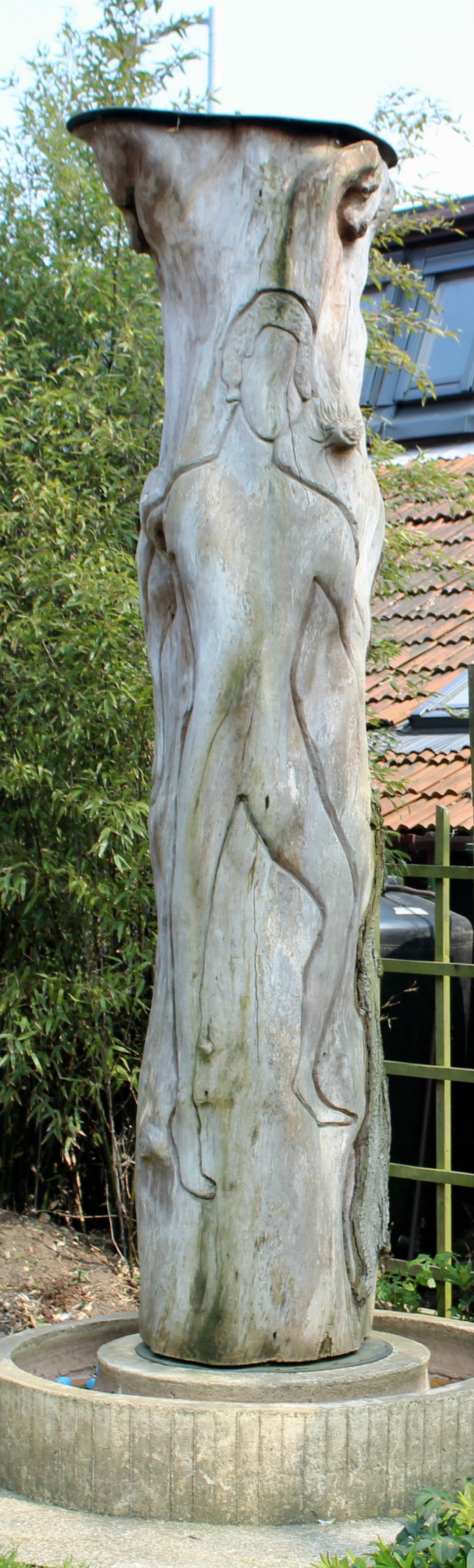
This tree trunk has been transformed into a fountain, not switched on today, but powered by solar energy.
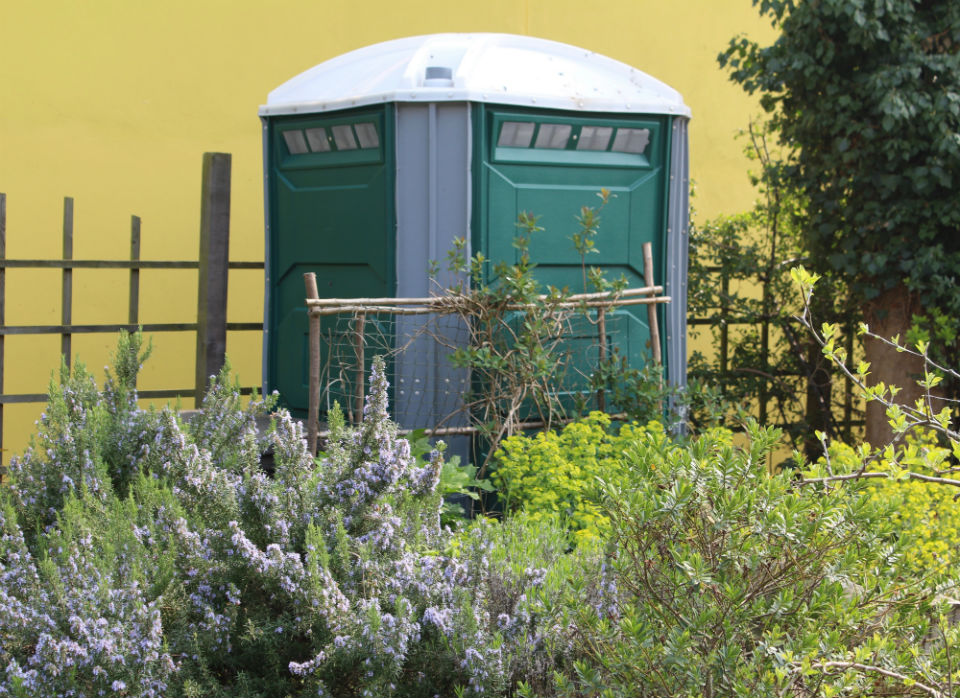
At this point I have to mention the loo. It is a public garden so a real necessity; imaginatively planted as it is, there is no denying that it is an unsightly “tardis” but it is shortly to be replaced by a WooWooWaterlessComposting Toilet; intriguing, just take a look – //www.waterlesstoilets.co.uk/
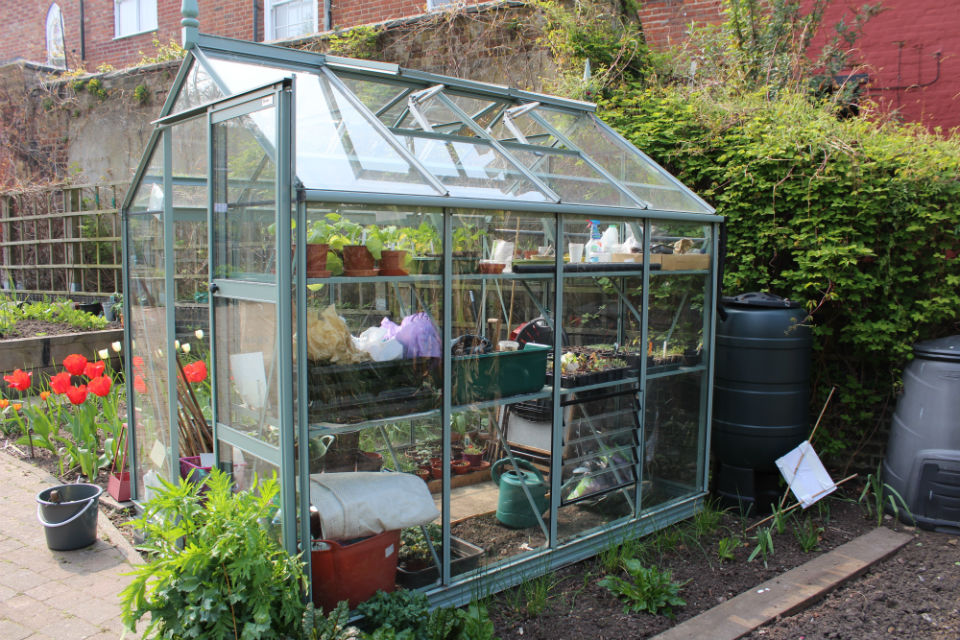
Back to less flushing matters, and across is the busy greenhouse packed with all sorts of emerging goodies it stands next to the growing area, and this in part is the reason for my visit.
I was there to present a tiny plaque to Head Gardener Jo and volunteers on behalf of the National Garden Scheme.

They had applied for funding from the Elspeth Thompson Bursary which, in partnership with the RHS, is an annual bursary that supports gardening projects.

Elspeth Thompson was a garden writer who died in 2010. She was an enthusiastic supporter of the National Garden Scheme and wrote a much-loved Urban Gardener column in The Sunday Telegraph. She was passionate about community gardens and so, in her memory, The Elspeth Thompson Bursary was created to support gardening projects aimed at bringing the community together by the sharing and acquiring horticultural knowledge and skills, and by inspiring a love of gardening across all age groups.
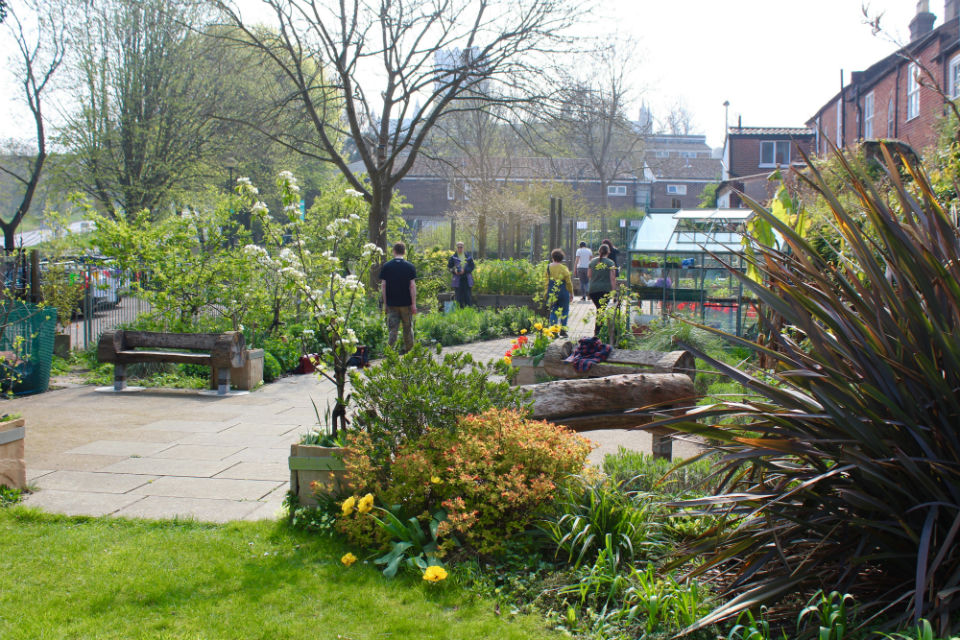
I have no doubt she would have been delighted with this amazing community garden.

If you know of a community project in need of funds why not apply for a bursary: https://www.ngs.org.uk/who-we-are/bursaries/
Chelsea Physic Garden

I was in London last Friday and being such a glorious day I could not resist a visit. Situated in such an attractive part of London the walk through the streets of Chelsea full of magnolia blossom was a delight in itself.

Approaching this haven of four acres surrounded by high walls, I slipped in through the unassuming entrance in Swan Street.

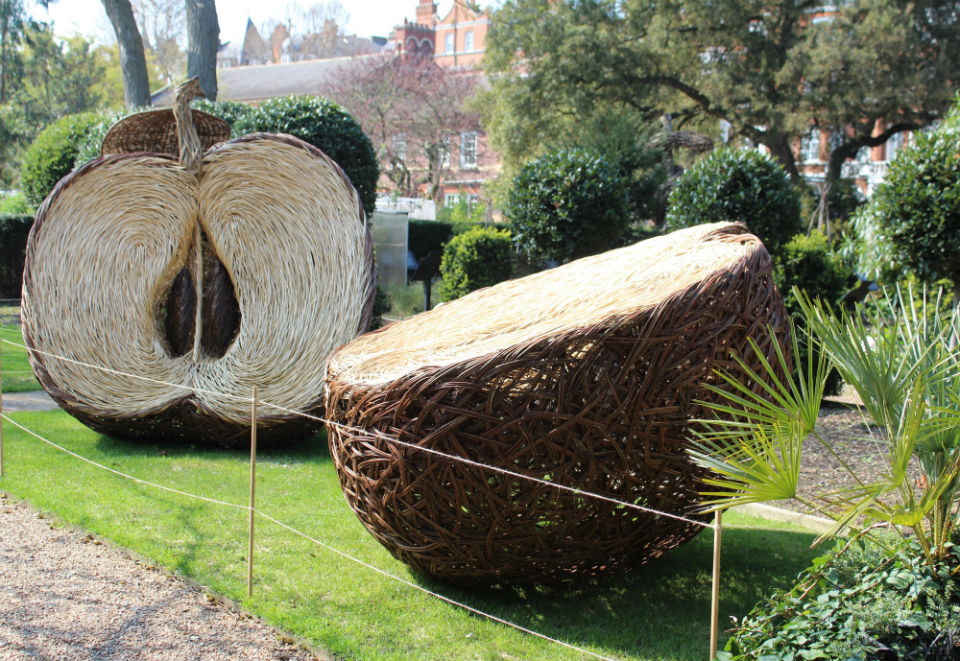
Joining the small friendly queue I was able to admire these beautiful woven masterpieces created by weaver Tom Hare http://www.tomhare.net/.

The real mission of my visit was to try and meet up with an old friend who I trained with and who helped me through my RHS Diploma. She has recently became Deputy Head of the Plant Collections and I was thrilled to find her in her natural pose, bent over and nearly hidden in the flower bed.

It is a remarkable garden originally created in 1673 by the Apothecaries in which to grow medicinal plants; it is a museum – a living museum that can be enjoyed at all levels. On this warm Spring day the place was very much alive; I followed some visitors walking these neat paths absorbed in the informative audio guide, and

others who were simply enjoying the sunshine with their little ones,

whilst others gently dozed having enjoyed a delicious lunch at the cafe.

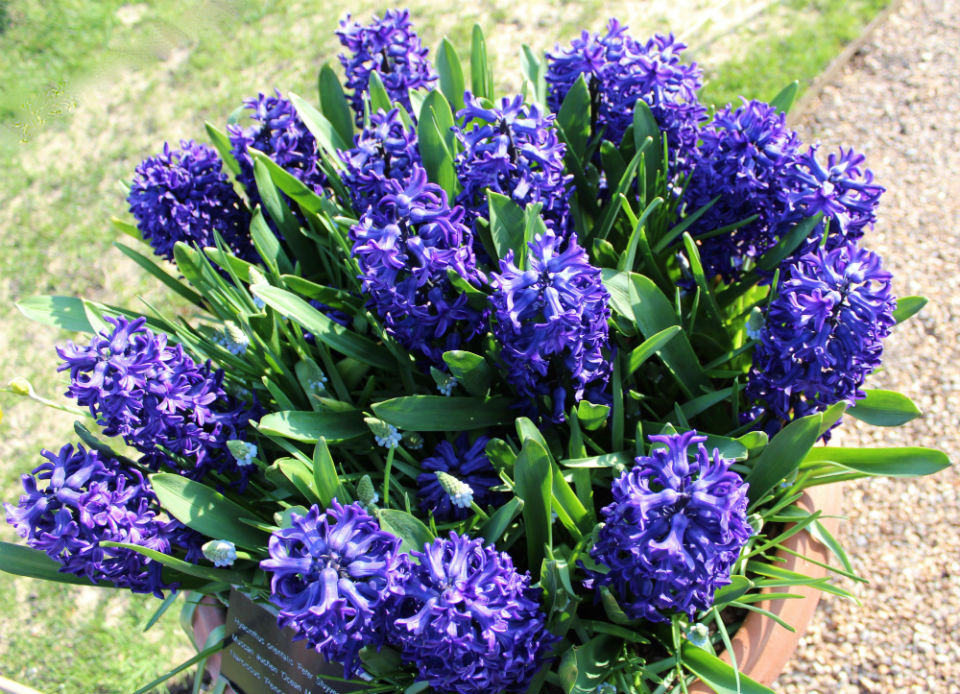
This pond was being much admired. Raised and surrounded by all sorts of little gems, it was the Tulipa heweri from N. Afghanistan that were winning the day.

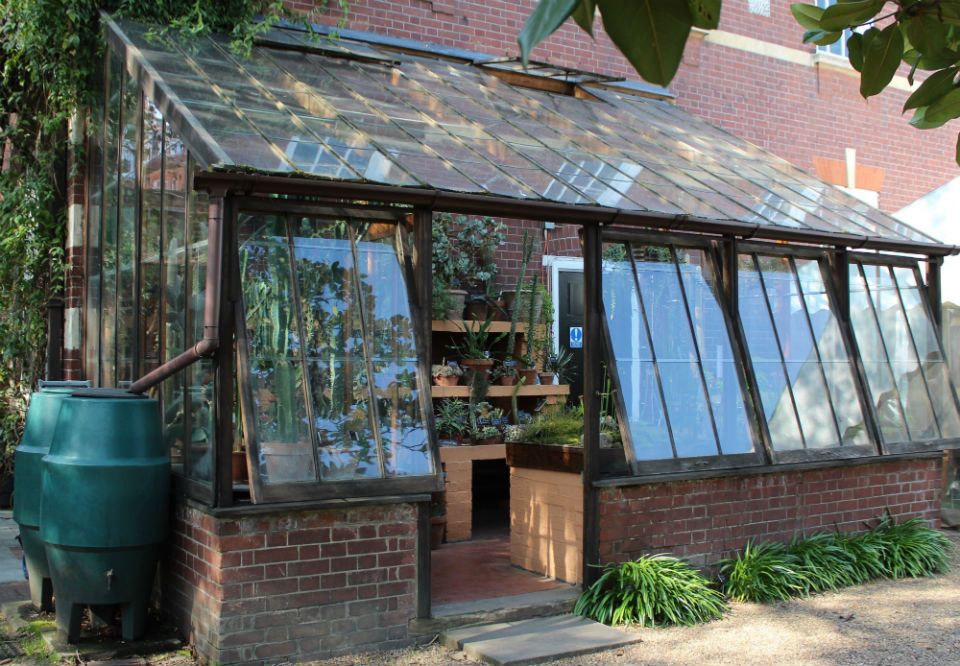
There is so much here to learn and admire and, unusually for me, I decided to focus on the conservatory.

Cacti are not usually my thing but here they are so artistically displayed.

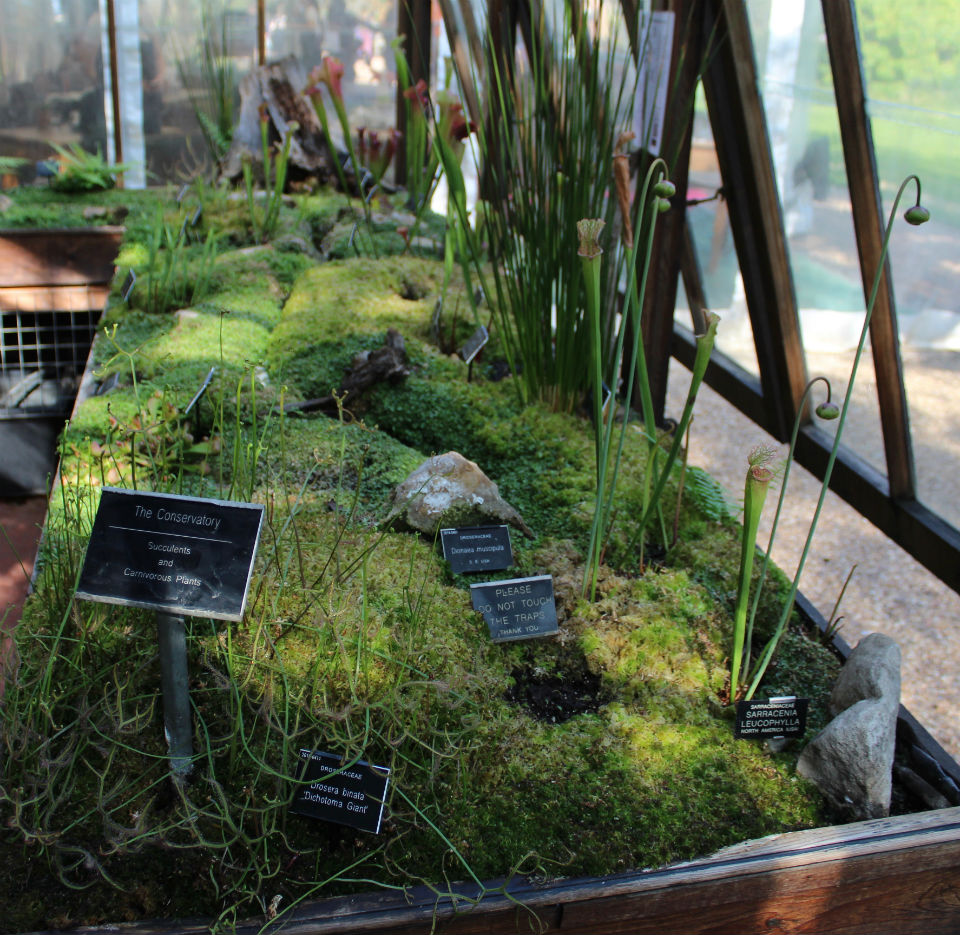
Here too, like a miniature garden with a stream running through, is the habitat of the Pitcher Plants Sarracenia,

a place where these extraordinary plants can thrive and dine out on their meal of flies.

Gardens are not just about plants. Here displayed in the borders, are the plants associated with various great men who have been connected with this garden. This bed commemorates Philip Miller who was gardener here for 48 years from 1722 to 1770, surely a lengthy period for any gardener.

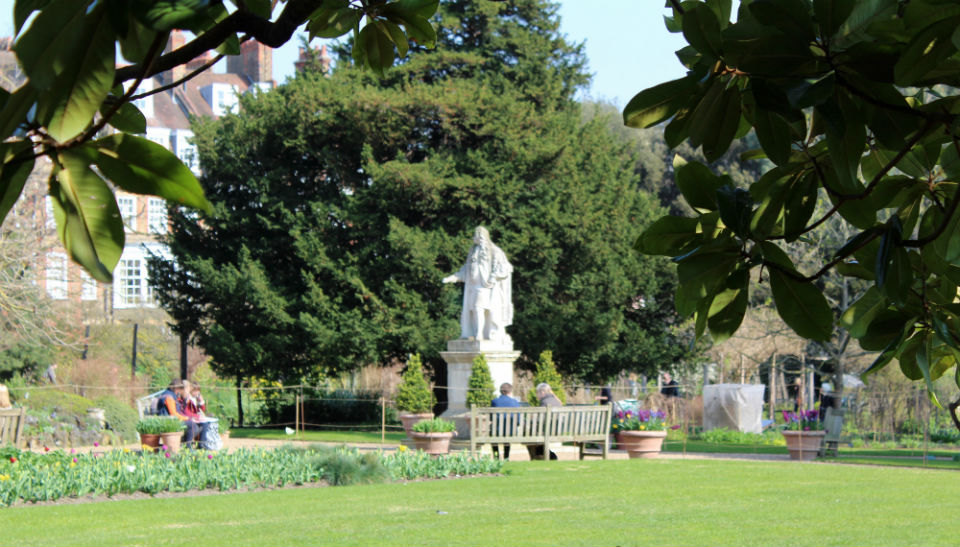
There are other great names celebrated within these walls, most notably Sir Hans Sloane the primary benefactor, whose statue stands in the centre of the garden. In 1712 Sloane bought the Manor of Chelsea from Charles Cheyne leasing the garden to the Worshipful Society of Apothecaries of London for just £5 a year in perpetuity. The Garden still pays this sum to Sloane’s descendants to this day.

Other great horticultural names include William Forsyth and Sir Joseph Banks and this walk is named after botanist and apothecary William Hudson FRS, who published Flora Anglica in 1762.

As I stroll along absorbing the fascinating history of this place, the buds of the tree of the Quince Cydonia oblonga seem to shout out that Spring is here,

and down on the ground this is echoed by the cocooned head of a salvia indica first described by the taxonomist Carl Linnaeus in 1753.

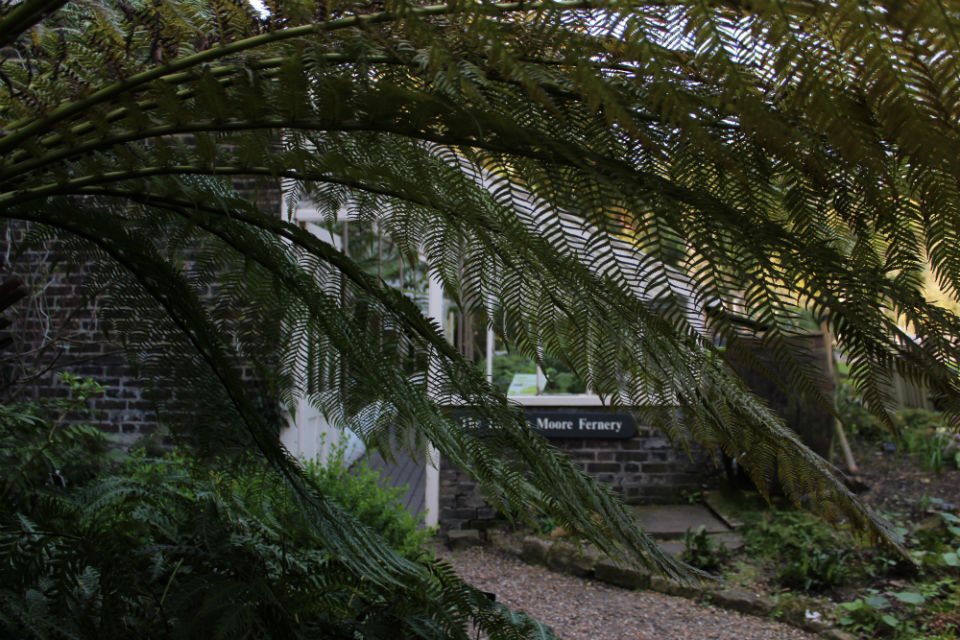
‘Plants are the most important living things on earth’ and their evolution on this planet is explained in The Thomas Moore Fernery. Moore was the Victorian curator who made the Garden the foremost collection of medicinal plants in Britain.

‘A plant for every Nook and Cranny’ can be identified in this interesting arrangement.

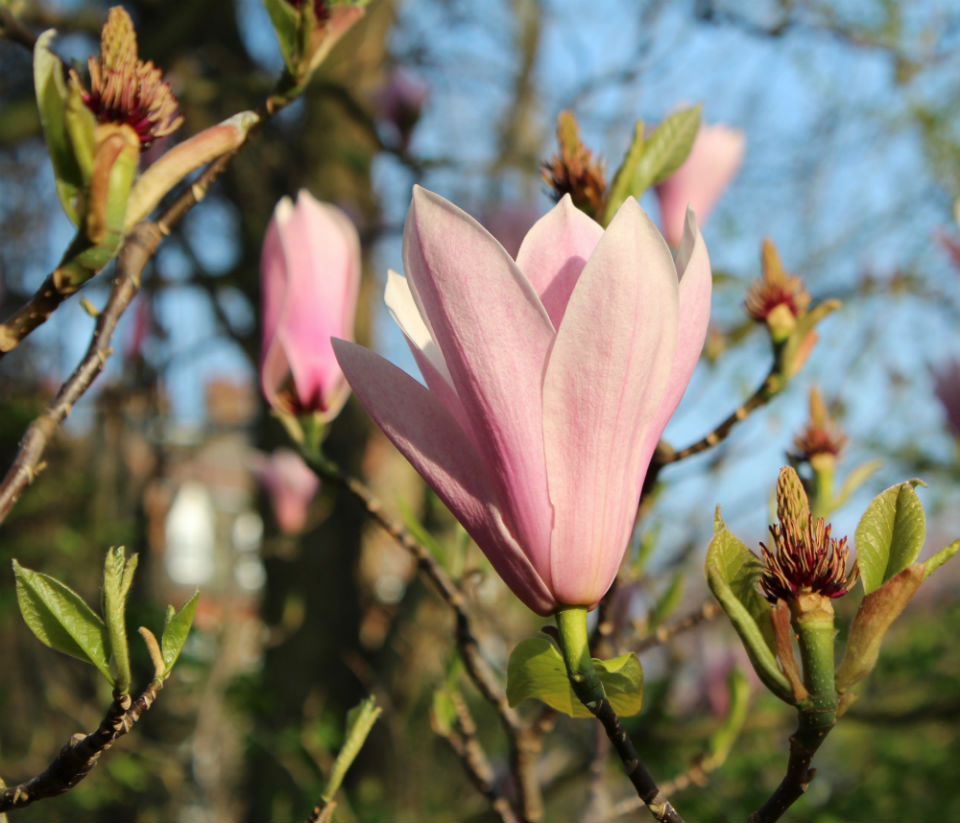
You can absorb all these interesting facts or simply just enjoy the plants so helpfully and clearly labelled; I love this magnolia laevifolia ‘Velvet & Cream’ not only for its perfect blossom but also its delicious name.

It is not so much a designed garden but an organised garden where paths lead you through different and delightful areas; the enchanting Stachyurus chinensis grows on the edge of the woodland area,

and the mighty trunks of the Gingko bilabo stretch to the sky. This tree has such significance and is considered to be the oldest tree on earth. The seeds originally relieved asthma and bronchitis and its modern use is to improve memory and circulation; I need to take note.

‘Useful plants’ are displayed in and around a theatre; it is remarkable to find out their uses both ancient and modern.

When I see Bamboo I am always reminded of its immense strength, remembering once seeing it used as tower block scaffolding in Hong Kong.

A helicopter is clattering above keeping an eye on the march that I can hear proceeding along the Chelsea Embankment. For a brief moment I am irritated that here, even in this haven there is no escaping Brexit. Looking up, the helicopter is not visible and all I can see are the blooms of Paulownia lilacina reminiscent of wallpaper.

My daughter used to groan as I invariably gravitated towards the composting area of a garden; she now knows its importance and here two little heads of Drimys Winteri at the gate seem to welcome me in.

Tucked away in the South East corner, I am so pleased it is open for all to see.

Clean and efficient, the engine room of the garden, the bins are brimming with goodness.

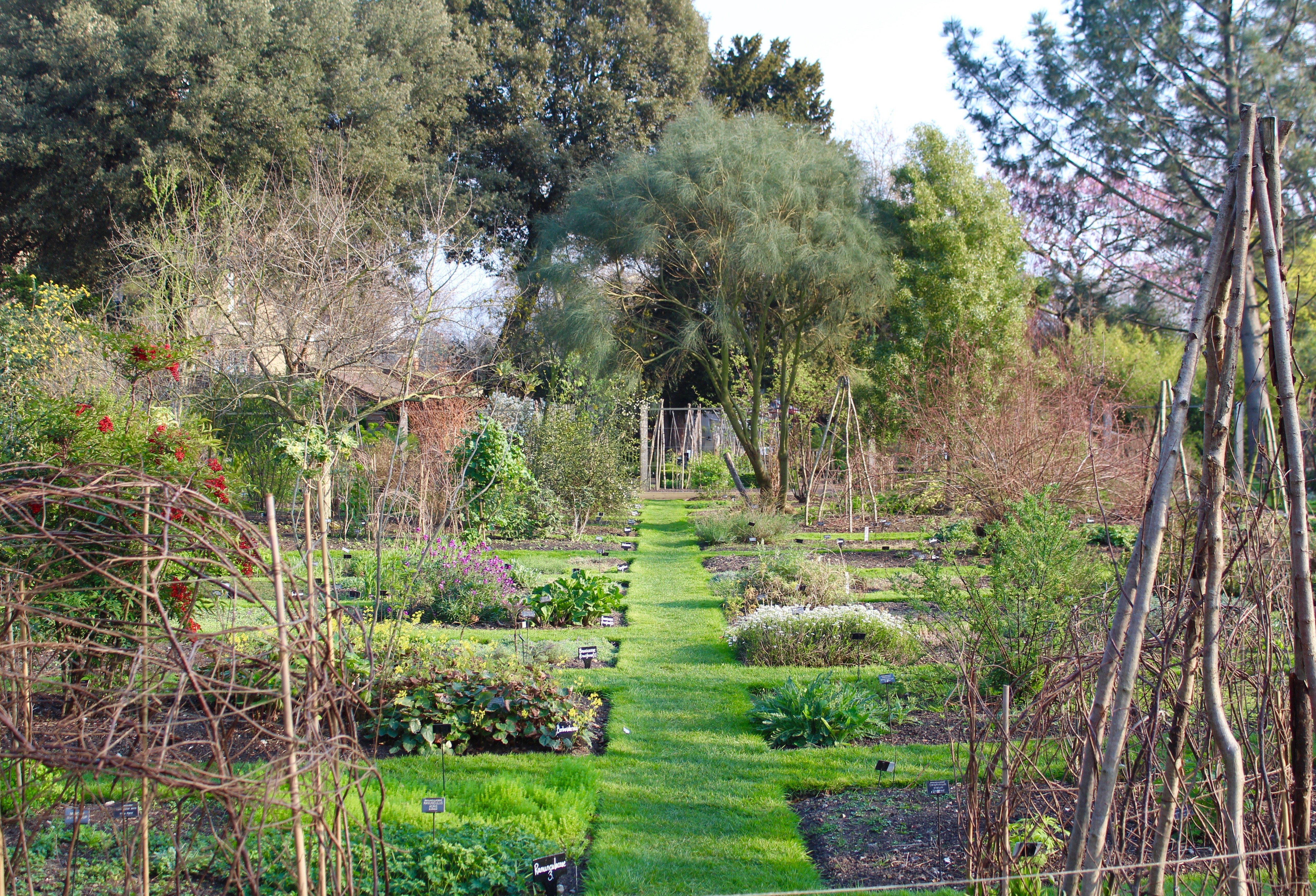
Looking across one area of the garden there is a similarity to allotments but without the sheds and general debris that goes with them. These are the beds laid out in order of plant families,

and there is much activity today; the gardeners are so busy. Who would think you need to water in March?

I am surprised to find a rose in flower, with a relaxed informal habit and with single cherry-red flowers, Rosa x odorata ‘Bengal Crimson’, it is said to flower here nearly every day of the year. I have just planted one at home and will have to see.

Glasshouse areas can often be so dull and unappealing but here the verdant plants and arranged pots draw you in,

with each house having a glorious display.

They sum up the high horticultural standards of this magical and fascinating garden.

The bell rings to announce closing time and it seems no one is in a hurry to leave.


Open yesterday for the National Garden Scheme, the Garden is open from 11am to 6pm. Not only a botanical beauty (with over 5,000 plants, edible, medicinal and useful), and an exploration of garden history, it is glorious place to spend an afternoon.

https://www.chelseaphysicgarden.co.uk/Pages/Category/history.