The Laburnums; a collection of Spring colour. (23)

It was such a lovely day that following my visit to  Witton Lane,  I decided to head on south across the flat fields of the Waveney Valley to Halesworth in Suffolk. Such a very different garden compared to this morning.  But then no two gardens are the same.

The Laburnums’ gate was swung wide open:

DSCF8996

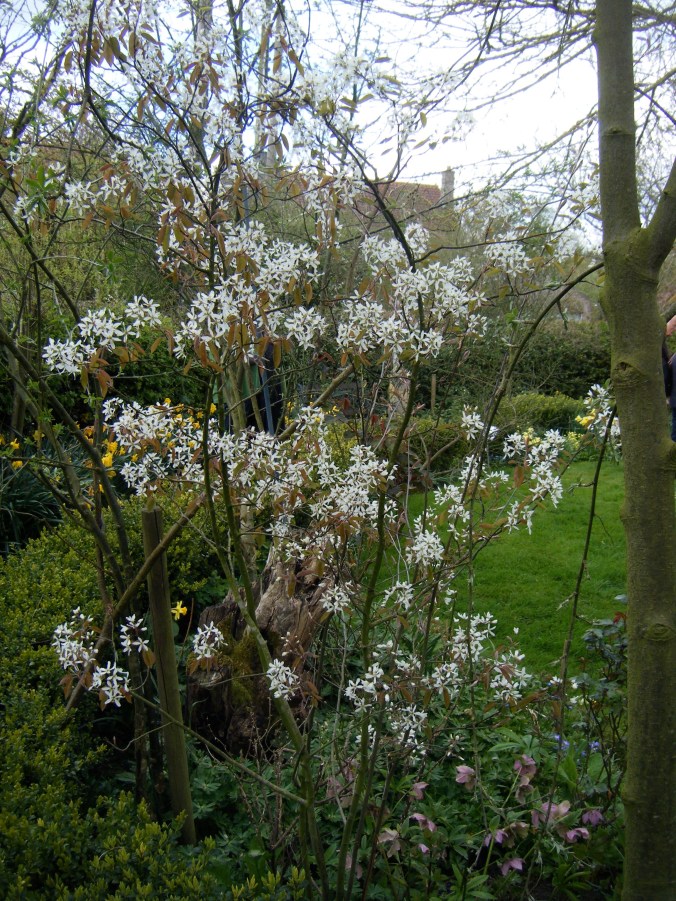
A blend of trees and shrubs curve around the drive with the Amelanchiers looking particularly fine.
DSCF9001.jpg

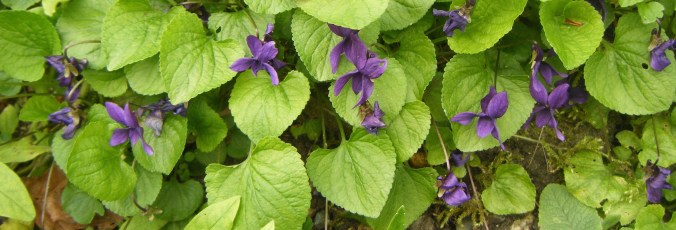
Clumps of dark purple violets grow underfoot.
DSCF9068.jpg

In the front garden you can take the  daffodil lined perimeter walk which links the drive with the pedestrian entrance from the road….

DSCF9004.jpg

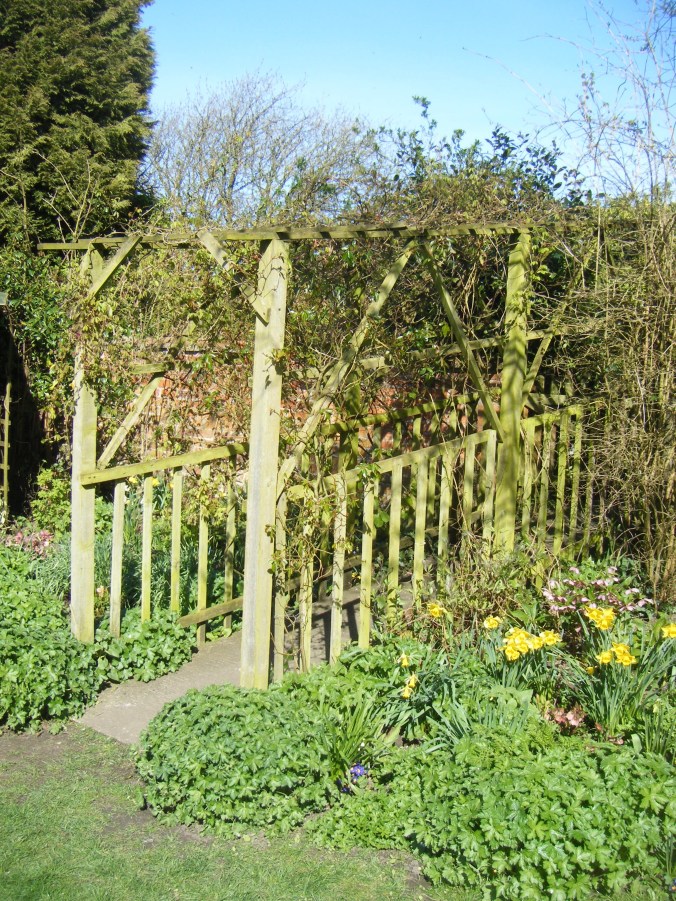
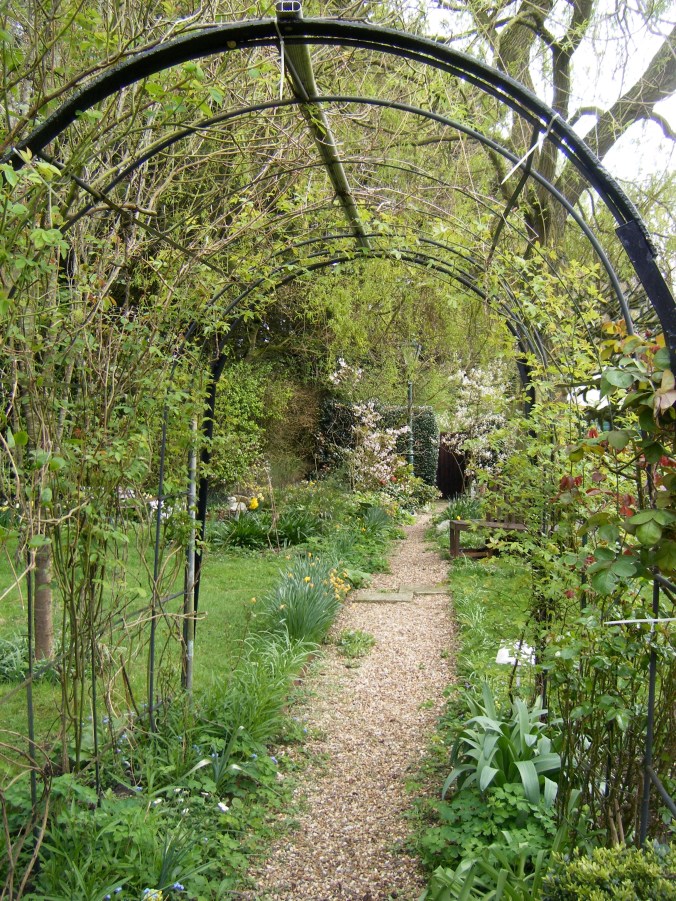
the entrance was closed today; if it were open you would have entered and walked through this rose-lined arch.
DSCF9005.jpg

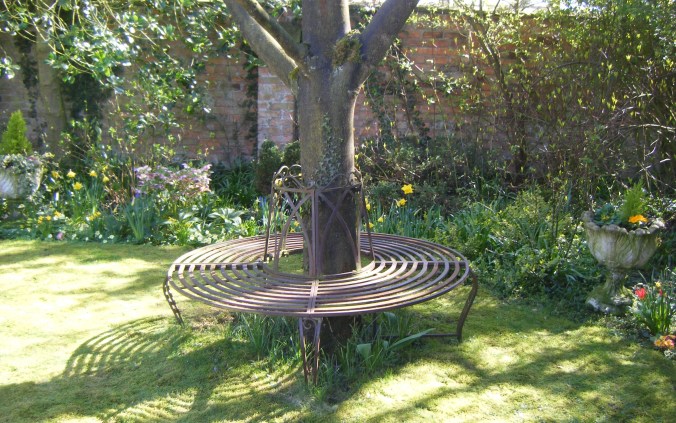
These two on their circular seat opposite the front door are quite a talking point.

DSCF9012.jpg

The flowering currant Ribes sanguineum is a good performer in this Spring garden.

DSCF9017.jpg

An unusual variety is just coming into flower.

DSCF9015

The white blossom bursting out on the prunus is complemented by the summer snowflake Leucojum aestivum at its feet.

DSCF9018.jpg

It is so popular this afternoon that Jane says that she could have sold this plant a hundred times over. A member of the Amaryllis family, it is charming.

DSCF9019.jpg

I am glad the gate through to the back garden is wide open today!

DSCF9022.jpg

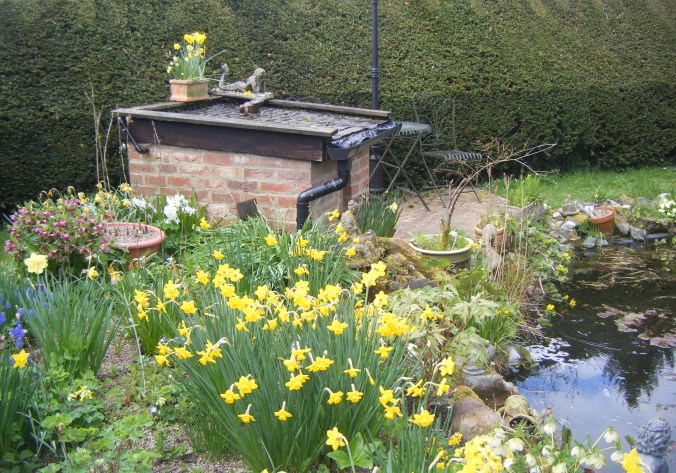
A pretty pond is the focus here. The water is circulated up through the pump house, flowing gently down the roof, into the gutter and back into the pond through the down pipe.
DSCF9032.jpg

Perhaps I should mention the animals which appear round and about the garden. These  sheep in the front garden seem not to be sturdy,

DSCF9006.jpg

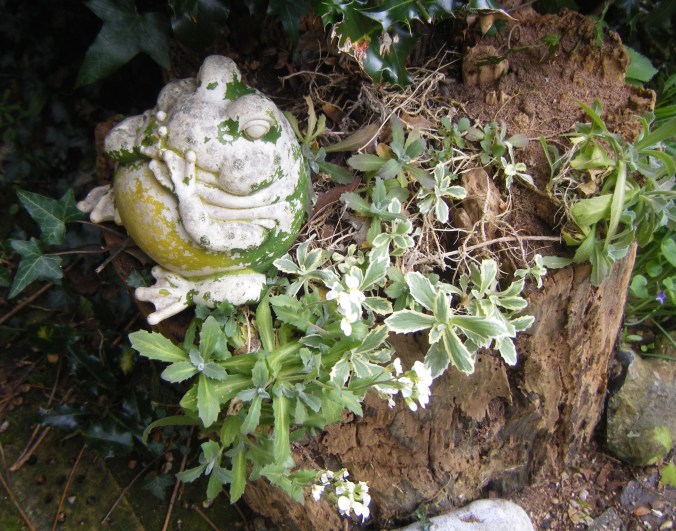
A frog is content to sit in the shade.
DSCF9010.jpg

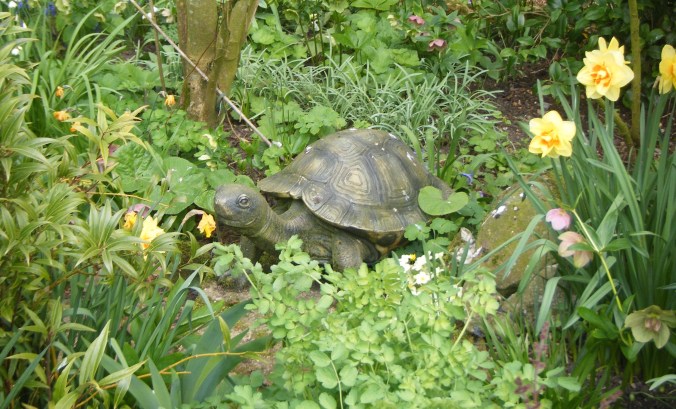
Whilst the tortoise is happy marching through a border.
DSCF9038.jpg

The very pink pigs seem to be protecting the newly sown areas of lawn.

DSCF9037

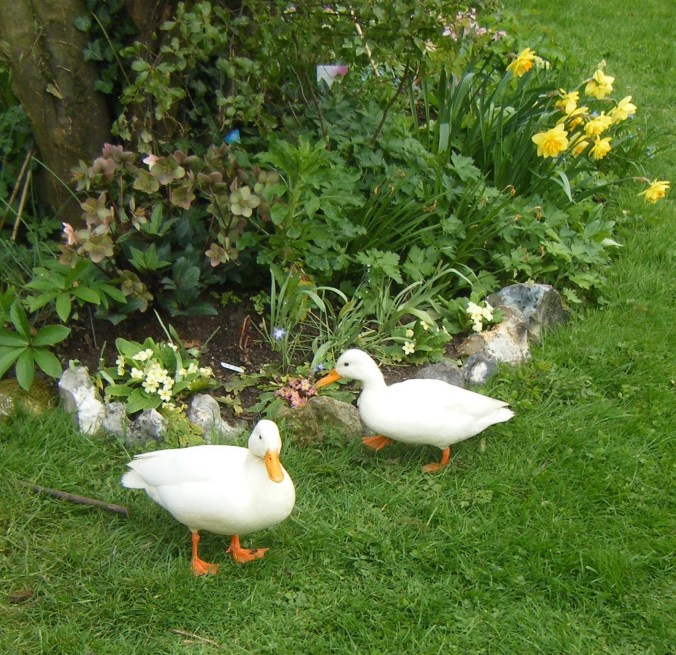
And then the ducks arrive; I am confused because they are actually real and moving!
DSCF9035.jpg

While the animals are an amusing distraction, it is the flowers that really grab your attention; A magnolia rises above evergreens.

DSCF9039.jpg

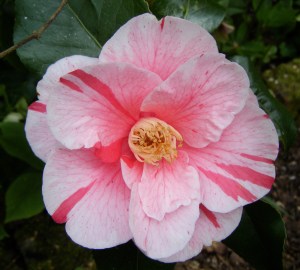
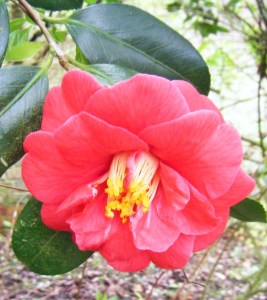
The camellias are stunning.

DSCF9059

Even perfect:

DSCF9043.jpg

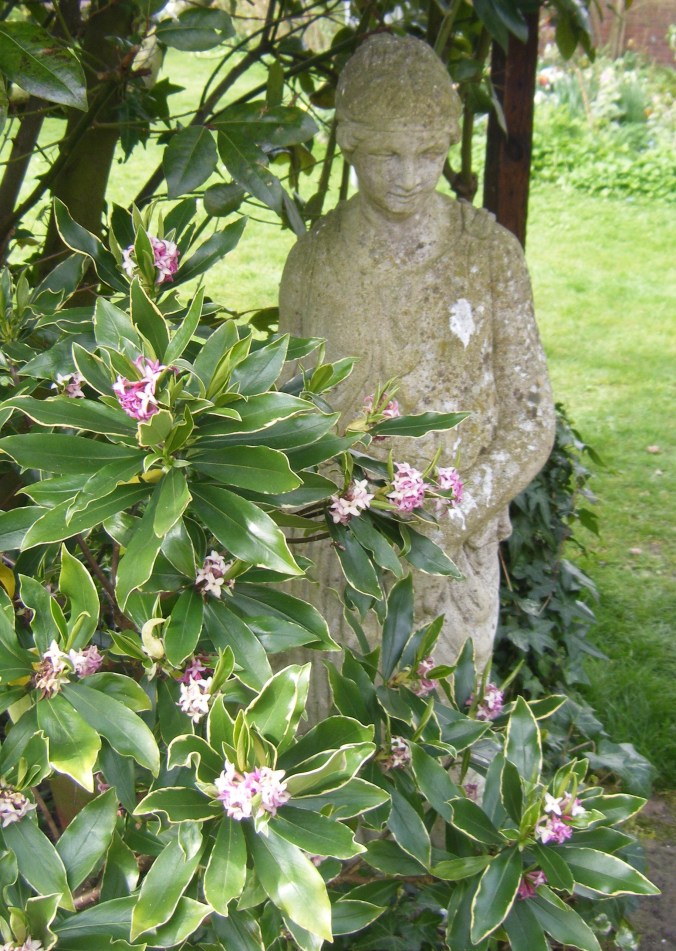
The fragrance from Daphne is a delight.
DSCF9061.jpg

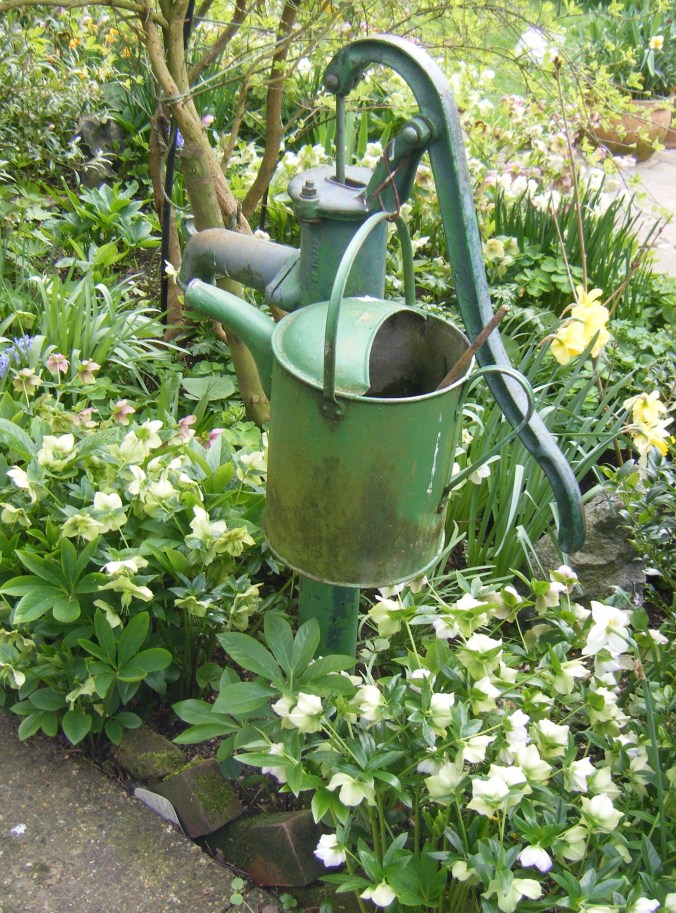
By the back door stands an upright pump with a handy watering can.
DSCF9041.jpg

Plant-lined paths lead to hidden areas.

DSCF9046.jpg

The glasshouse is busy with a multitude of potted plants; not an inch to spare.

DSCF9051.jpg

Beyond, the path bends round through woodland to bring you back again.

DSCF9052.jpg

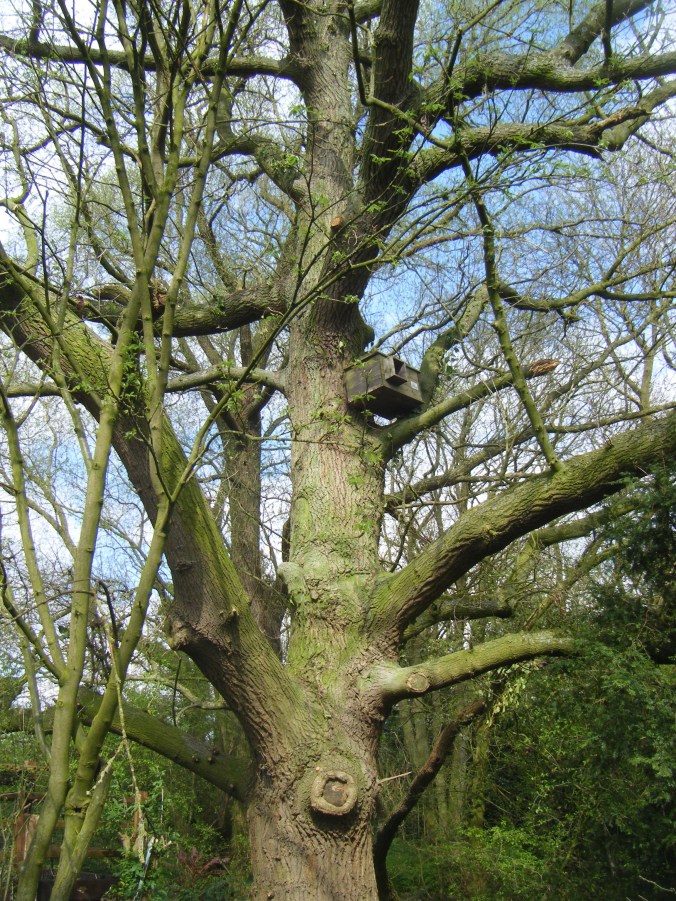
An old deciduous tree stands at the furthest point. It might be a sunny day but it is a reminder that summer is not quite here,
DSCF9057.jpg

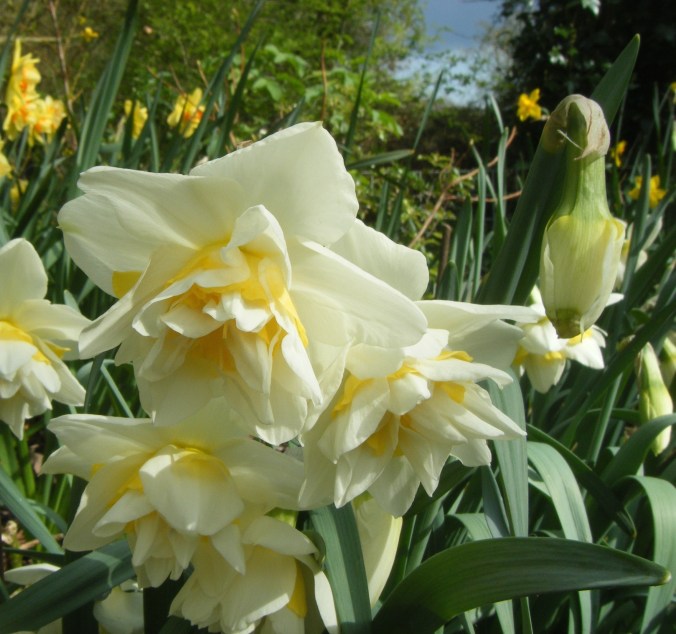
and it is easy to forget that it is still daffodil time.
DSCF9055.jpg

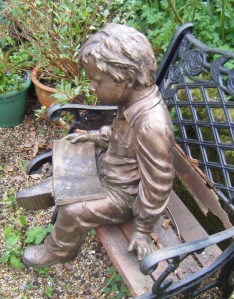
Returning along a different path I find this little chap; with book open on his lap I think his mind is actually farther afield.
DSCF9060

It is hard to imagine that this was once just a bare patch of ground. This photograph was taken in 1985.

Jane is a garden designer and we are fortunate that she has opened her garden with the NGS for five years.

DSCF9029.jpg

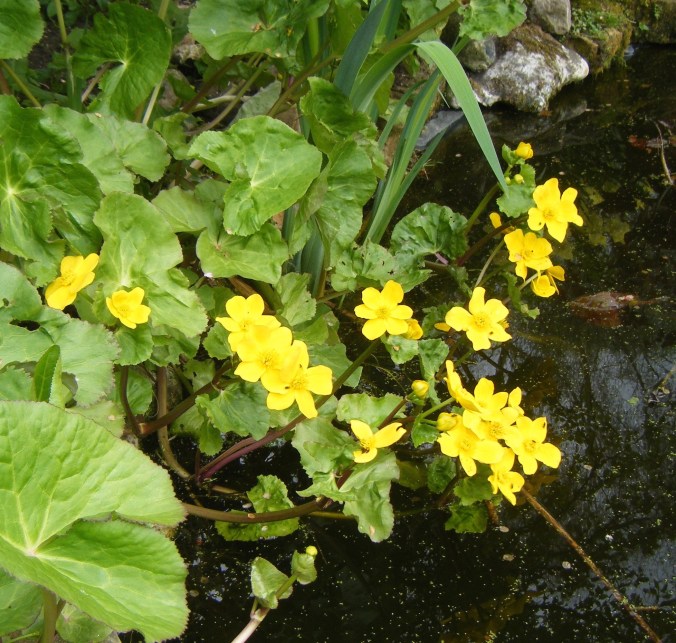
She kindly digs up a marsh marigold from the pond for me and I take my leave.
DSCF9025.jpg

Jane is busy with the many visitors and she answers their questions with enthusiasm. A fitting plaque adorns the wall.

DSCF9066

——-23——-

Witton Lane; a medley of muscari. (22)

I have missed the opening of this tiny garden for many years and so was thrilled to be able to join the many others who visited last Sunday. Little Plumstead is some 5 miles east of Norwich not far off the A47.

The team from Radio Norfolk had arrived just before me but they soon rushed off to hunt for the next clue in their Quest for Treasure.

The Garden Gate is Open and a narrow gravel path leads up to the front door packed with plants along the border.

DSCF8993 (2)

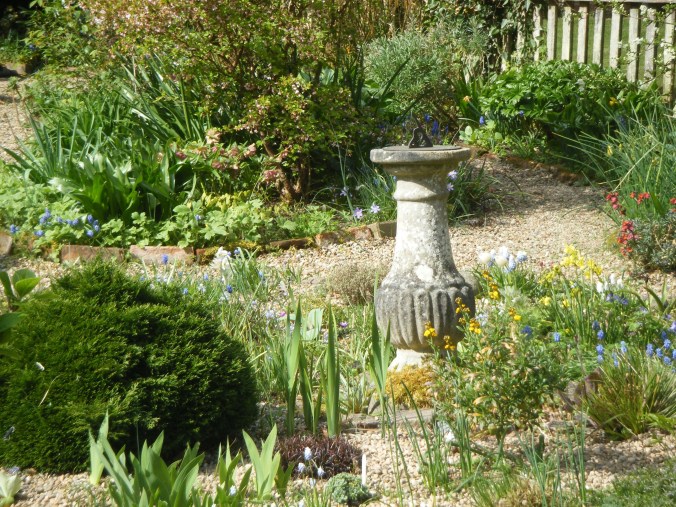
Over to the right and in front of the house you can glimpse the path circling around a stone sundial.  Many alpine plants are growing in the gravel.

DSCF8987.jpg

Flourishing in this sunny open position is a pearly white  Exochorda x macrantha growing  by the low fence.

DSCF8941.jpg

This is not a garden with vistas. No tall trees to glance through, hedges to peer over or boundaries to gaze upon the borrowed view.

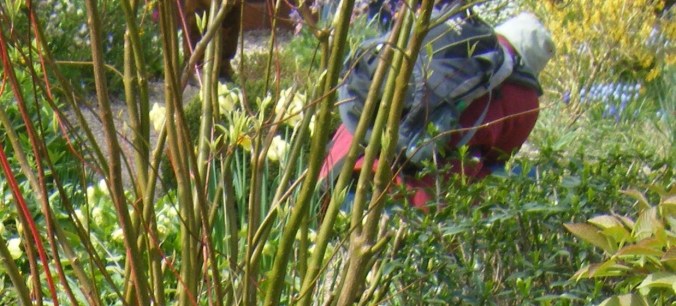
It is a garden to look intently down.  Study the plants on the ground; in a similar vein to this crouching photographer.

DSCF8993 (3).jpg

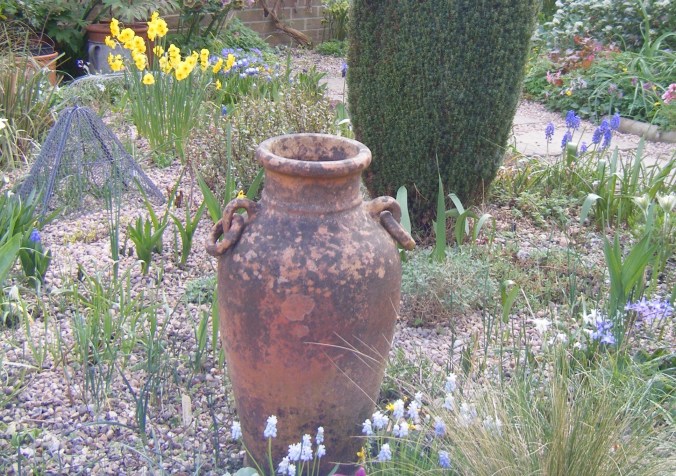
Witton Lane holds the National Collection of Muscari, the Grape Hyacinth. Richard Hobbs inherited the collection, now numbering over a hundred, from Suffolk gardener Jenny Robinson.

The herbalist John Parkinson (1567 – 1650) warned of this plant which he advised ‘will quickly choke a ground for which cause most men do cast it into some bye corner.’

Not in this garden. Here the collection is carefully controlled with the many different varieties growing amongst other interesting plants .

There are plenty of gems to see in the front, and even more in the back garden.

DSCF8961.jpg

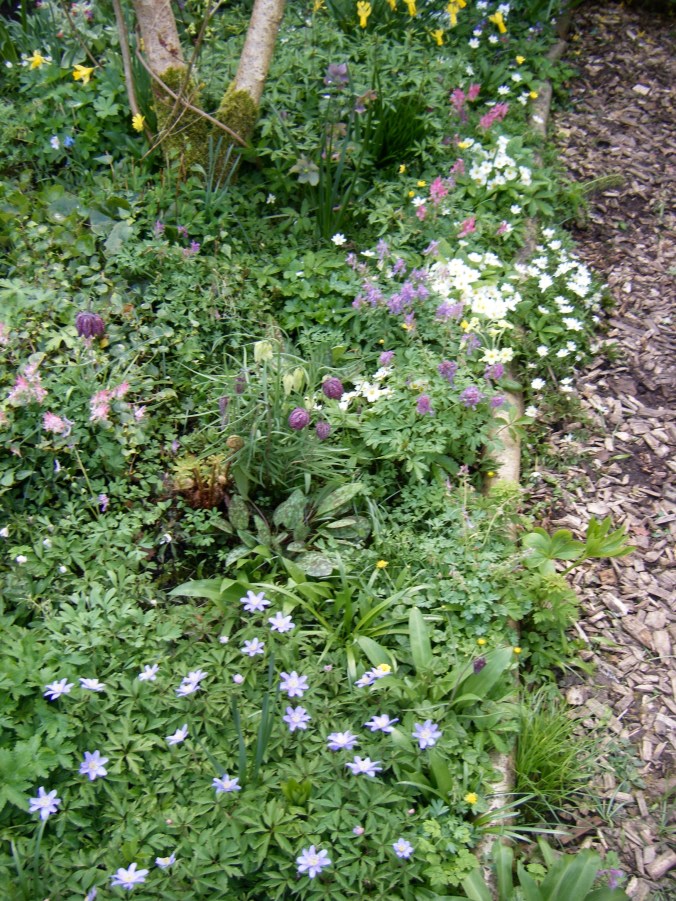
The colour range of the muscari is subtle:

Blue appears to be the predominant colour, either in a small shrub,

DSCF8960

or bulbs and perennials.

DSCF8959.jpg

Anenome makes a good match with cellandine.

DSCF8978 (1).jpg

Various types of Pulsatilla, the memorable pasque flower, appear in different shades and they too enjoy the gravel conditions.

While the bright primula standing before the pulmonaria, benefits from the more moist conditions in the border.

DSCF8948.jpg

There is a small selection of  auricula on display.

DSCF8963.jpg

In the conservatory Sally is busy selling the plants which are ‘going like hotcakes’. Richard is much in demand with enquiries. With fork at the ready, he generously fulfils a request for a plant.

DSCF8974

Every inch of the ground is a patchwork of plants,

DSCF8956.jpg

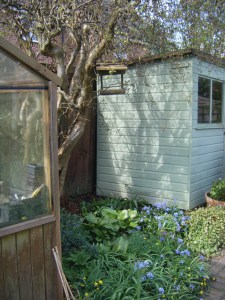
There is just enough room to squeeze in a greenhouse and shed.

DSCF8957

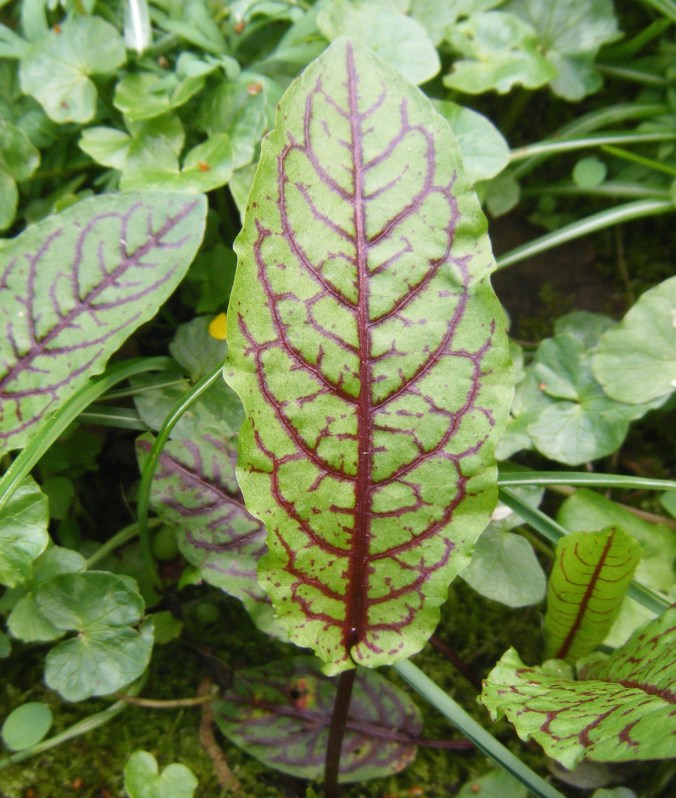
It is a study in leaf design; baby sorrel,

DSCF8973.jpg

and an Erythronium fighting for space with the soft silvery leaves of lamium

DSCF8951.jpg

I forget to ask him what this is.

DSCF8950.jpg

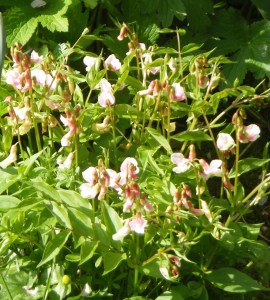
A type of lathyrus vernus looks delicate in the morning sunlight.

DSCF8986

The seat at the end of the narrowing path signifies the limit of the garden;  a full stop.

DSCF8952.jpg

By the time I publish this Richard and Sally will be guiding another walking tour through North Mallorca (http://wildlifeholiday.com/richard-hobbs/). With destinations all over the world it is little wonder that the garden is so rich and their knowledge so great.

——-22——-
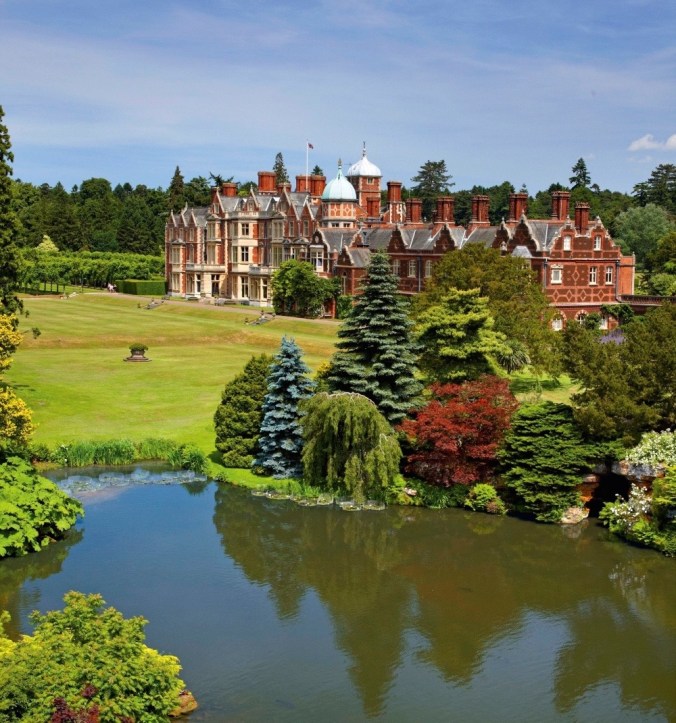
Sandringham; supporting the NGS for 90 years. (21)

284 (01)-1500 (1).jpg

The National Garden Scheme began in 1927; conceived as a living memorial to Queen Alexandra who had been patron of the Jubilee Congress of District Nursing.

imgres

Just over 600 private gardens opened their garden gates to the public. George V agreed to open Sandringham House, which had been his mother’s favourite residence and her home for the last few years of her life. Most gardens opened for just one day and charged a shilling; Sandringham opened regularly and charged just 6d.

Screen Shot 2017-04-04 at 10.21.49.png

The garden gate was firmly closed when I visited last Friday but I was fortunate to be able to accompany the head gardener on his tour of inspection before opening for the season the very next day.

DSCF8928

Flowering gaily at the entrance was a new breed of hyacinth named Sandringham. Not yet on the market it has been grown by a local breeder, who thought Her Majesty should be the first to trial it.

Interplanted and just showing through are the leaves of white agapanthus, left over from a previous show garden at the annual Sandringham Flower Show held in July.

DSCF8877.jpg

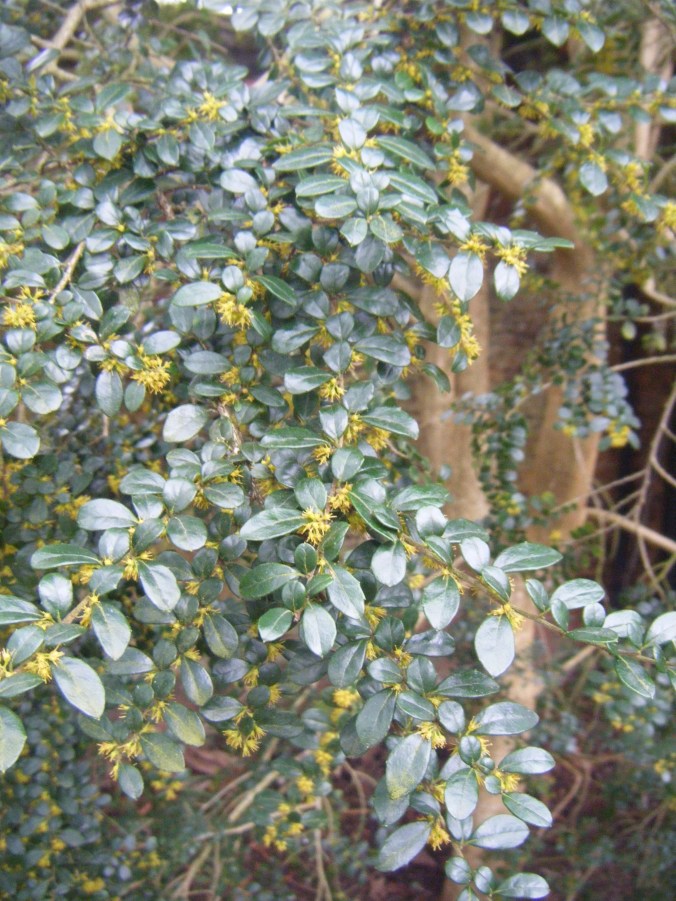
Nearby and sheltering next to the wall was an Azara microphylla with tiny yellow vanilla scented flowers, an evergreen shrub from Chile and Argentina.

DSCF8878.jpg

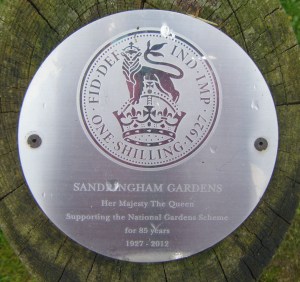
As you walk in there is a plaque mounted on a wooden post celebrating 85 years of supporting the National Garden Scheme. I wondered what head office might be planning five years on. After all, Sandringham has supported the NGS for every year of the ninety years, without exception.

DSCF8882

There are some 60 acres of beautifully maintained gardens at Sandringham, and a team of  8 gardeners to manage them. Martin is not a local boy but from Lincolnshire; he originally came here for a year, wishing to work in forestry. He ended up staying and has  now been here for over 30 years.

Through this semi-wild glade there is a fantastic variety of trees including 12 species of beech and over 20 kinds of oak.

DSCF8883.jpg

The white magnolia glows through the pines and birches,

DSCF8929.jpg

and the camellias are looking good having not suffered rain damage as in some previous years.

DSCF8926.jpg

Much emphasis is made on winter flowering plants for the Her Majesty’s visit around Christmas. We encounter shrubs of sweet smelling Box Sarcoccoca, and Witch Hazel Hamamelis mollis, now over.  Snowdrops are much in evidence, they too have now completed their flowering duties.

The bright and translucent Viburnum betulifolium has held on to its red berries all through the winter.

DSCF8885.jpg

We move along the paths in Martin’s buggy, his secateurs tucked into the glove compartment.  The road that we can hear runs to our right. In the early days it was so close to the house that the press were able to take photographs of the Royal Family through the gates. Understandably the road was moved away and the solid carrstone wall was built.

We pause to glimpse the house beyond the old sycamore.  Daffodils are grown to be picked for the house, and then planted out in drifts in the more informal areas.

DSCF8887.jpg

Allium triquetrum, the three-cornered leek, named after its three-cornered shape of the flower stalk, grows under the wooded canopy.

DSCF8890.jpg

Another type of tree providing interest on this rather grey day is Acer Nikoense, the flowers caught by the cold March wind. The tree labels are clear and helpfully give the date of planting. This was planted in November 1975

DSCF8893.jpg

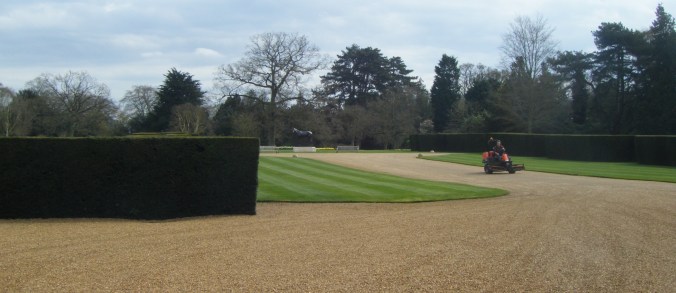
We ease away from the woodland area onto the mown lawns towards the house. This masterful statue, recently installed has pride of place watching those visitors fortunate to be invited to the house.

Behind ‘Estimate’ the winner of the Ascot Gold Cup in 2013, is a splendid Oak planted by Queen Victoria.

DSCF8895.jpg

The paths taking us around are smooth, easy for buggies and wheelchairs. It all appears immaculate but there is still much activity today and Martin is much in demand.

DSCF8899.jpg

The entire team of gardeners takes over a week to prune these limes Tilia platyphillos Rubra. Work begins immediately after the Her Majesty’s departure in February.

DSCF8903.jpg

There are several lines of them; this one stretches forward to the bronze-gilded buddha, originally covered by a wooden pagoda.

DSCF8904.jpg

The Victorian formal bedding, pictured in the NGS booklet A Nurturing Nature, was ploughed up and planted with vegetables during the war.  The garden however, remained open throughout.

DSCF9071.jpg

Now it is neatly mown lawns, grazed in the distance by geese.

DSCF8905.jpg

Further along Martin has carefully mown an intricate labyrinth,

DSCF8909.jpg

echoing the shape of the parterre reproduced in an early postcard.

Sandringham-House-Gardens-Vintage-hand.jpg

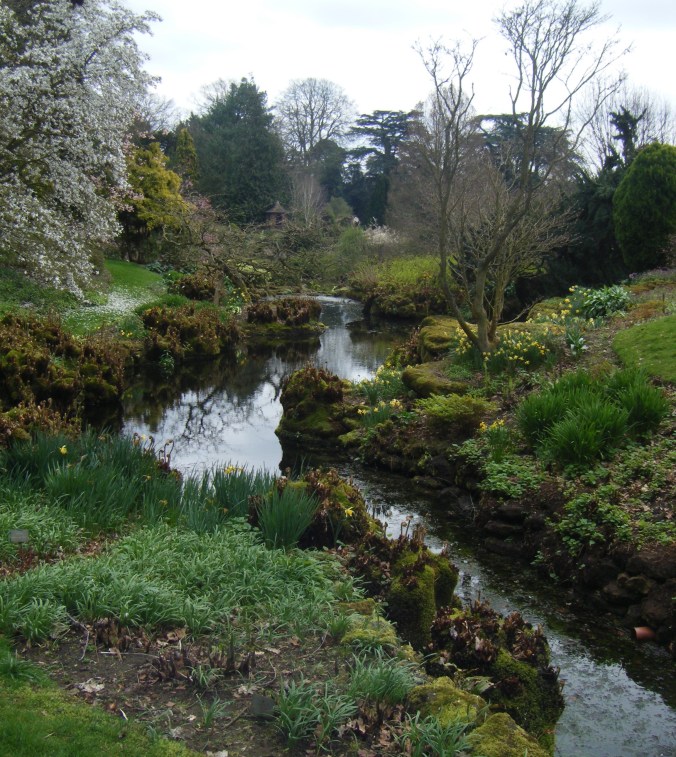
Water plays a large part in the garden. Here it gently meanders down from the lake. The summerhouse, The Nest seen in the distance was built for Queen Alexandra in 1913.

DSCF8912.jpg

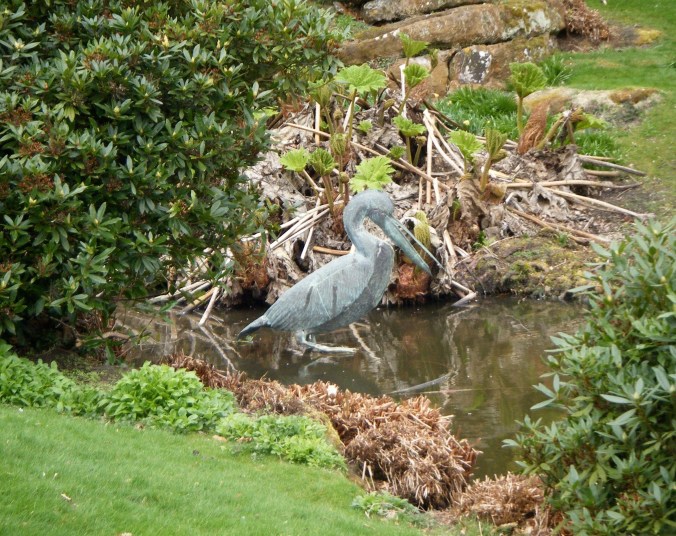
The Pelican was restored a few years ago. When the much anticipated time came to turn on the water everyone was rather dismayed by the dribble that came out from the beak. The Pelican was given to Queen Alexandra by Baron Ferdinand de Rothschild of Waddesdon Manor, Buckinghamshire. A letter in the archives shows that Queen Alexandra too had found the water velocity disappointing.

DSCF8911.jpg

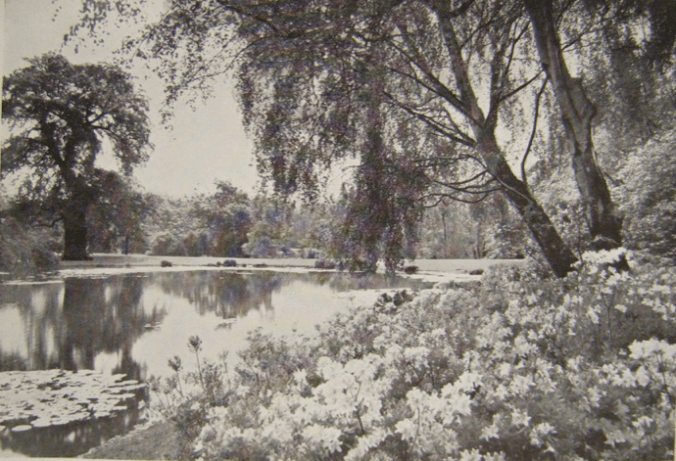
This photograph of the lake appeared in an NGS booklet in the early 1930s

Screen Shot 2017-04-04 at 10.17.46.png

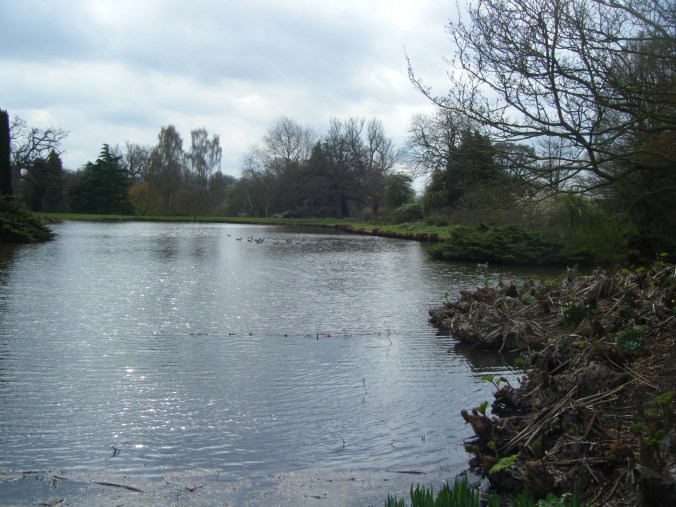
I tried to take capture the same view as it looks today;

DSCF8917.jpg

The lake appeared on the front cover of the 2002 ‘yellow book’, the NGS guide to open gardens.

DSCF9074 (1)

This ancient oak which stands by the lake is over 800 years old.

DSCF8921.jpg

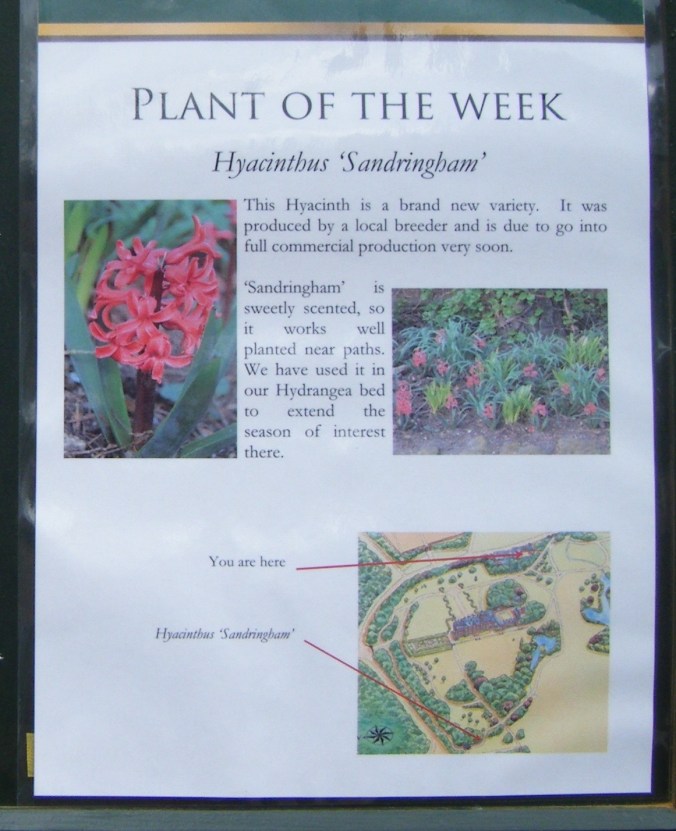
I am grateful to Martin for his time and it has been such an interesting tour which we finish at the museum and tea shop. Here the display board announces the Plant of the Week as Hyacinthus ‘Sandringham’ , which we saw at the entrance.

DSCF8924

There wasn’t enough time to visit the Walled garden which is open only by appointment. Martin suggested I returned later in the year around September when it looks at its best.

We can all be grateful to Her Majesty for continuing to open her private garden, ensuring it is so disabled-friendly, and for maintaining her support of the NGS.

——-21——-
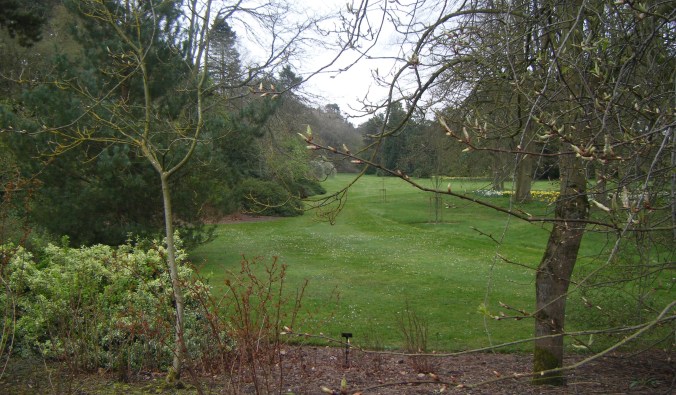
 

2 Church Cottage. (20)

Staying close by we could not miss a visit to Hardy’s Cottage Plants Nursery in the village of Freefolk, Hampshire. My husband was absolutely right in thinking that although the entrance might be free, the exit may prove to be expensive. He was absolutely right! Rows and rows of healthy and many unusual plants, Rachel was enthusiastic, knowledgeable and helpful, and it was worth every penny.

With the car full we made our way through Whitchurch to the small village of Tufton. Here the gate of a small cottage garden and nursery was open. Great to find a garden open on a Thursday.

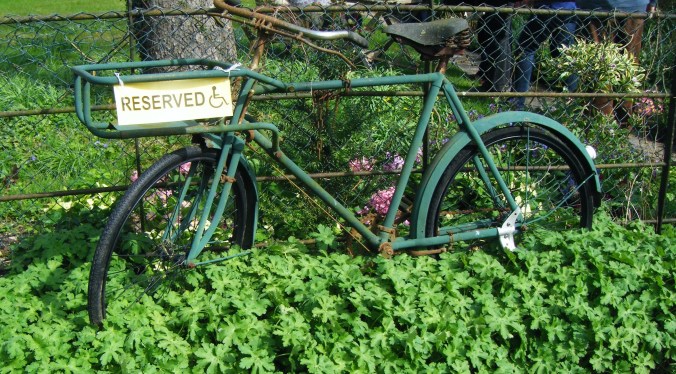
What better way to display the disabled parking sign positioned up against the fence close to the entrance.

DSCF8850.jpg

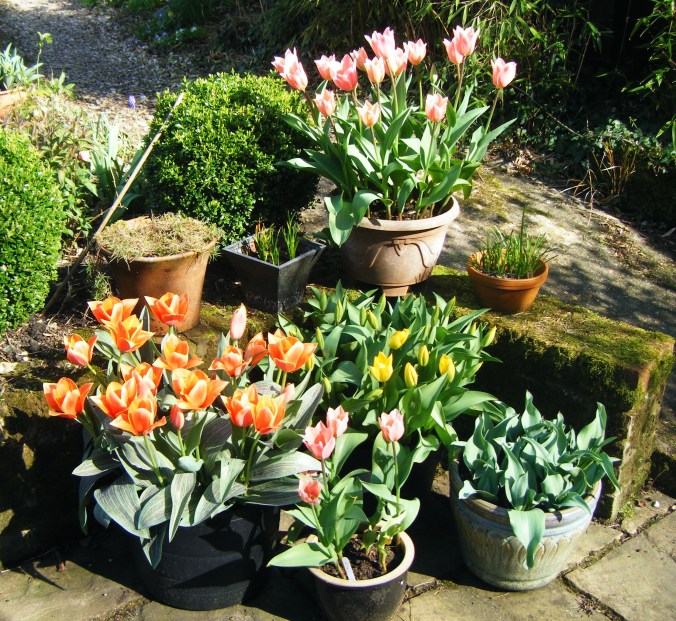
It was a glorious sunny day and the garden owner sat under an aged apple tree. We were amongst several visitors walking up the path taking us behind the cottage. Around the other side pots of cheerful tulips greeted us.

DSCF8852.jpg

The small garden was neatly arranged, slightly raised with the central feature of a large terracotta pot of tulips. Paved paths lead you either side.

DSCF8853.jpg

There are splashes of colour and plenty of features and plants.

DSCF8854.jpg

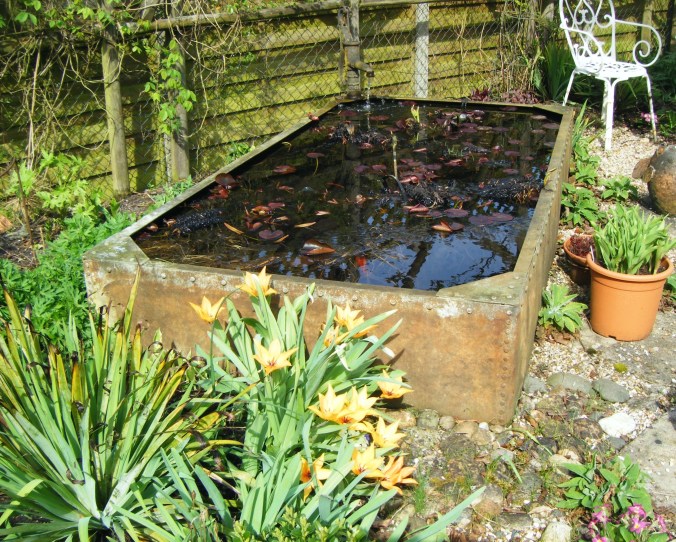
A wonderful tank for fish and water lilies is placed at a jaunty angle.

DSCF8857.jpg

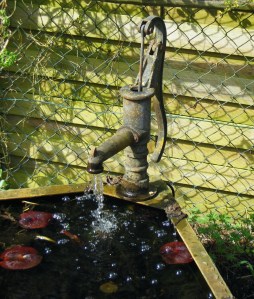
the flowing water coming through the old hand pump in the corner.

DSCF8859

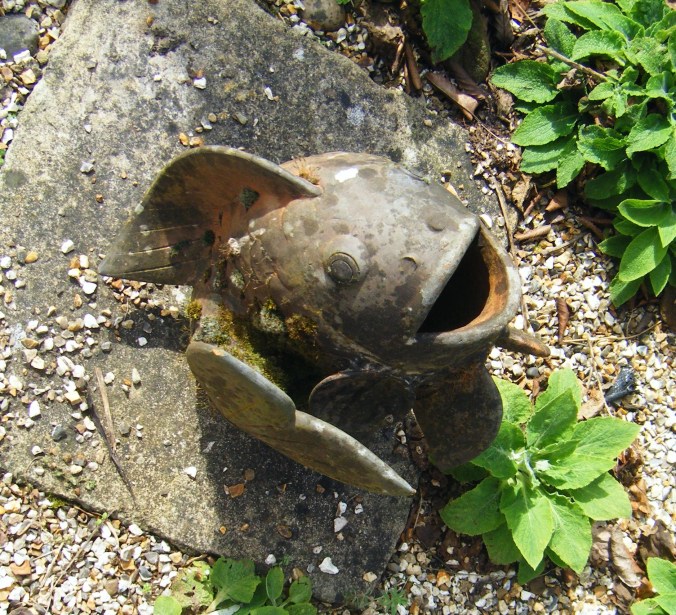
A stone fish seemed happy to be out of the tank.

DSCF8858

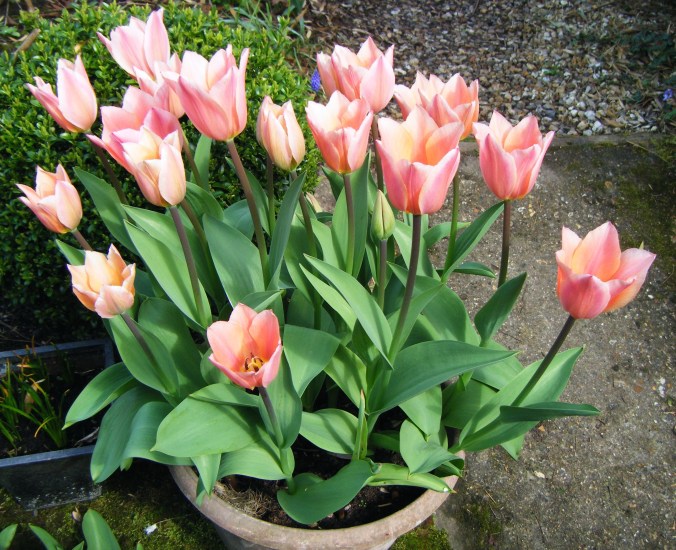
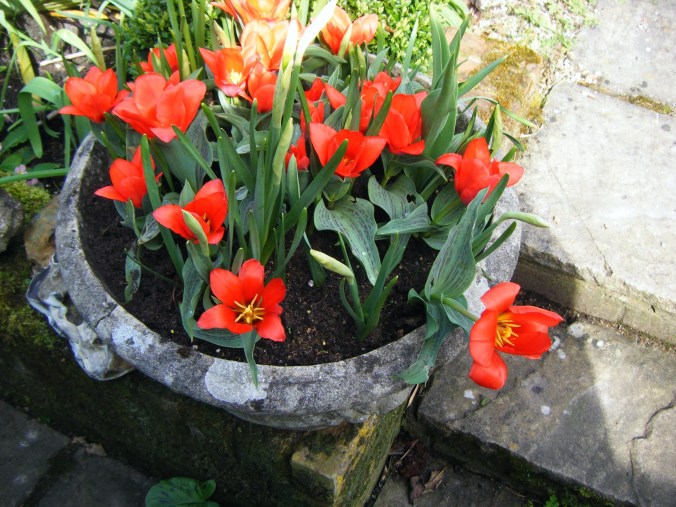
Tulips of all colours grow in a variety of pots.

DSCF8855.jpg

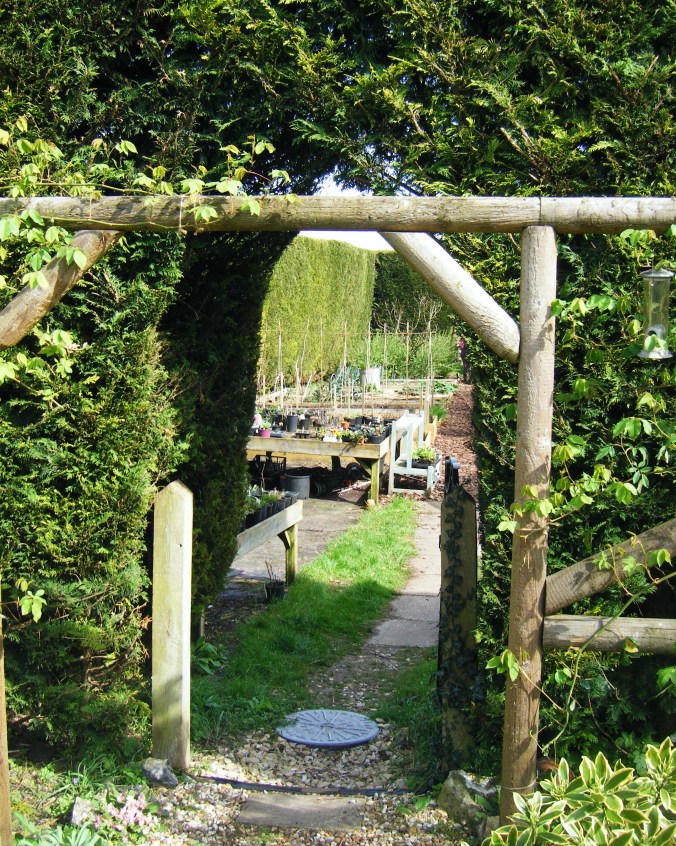
A large trellis divides the garden and just beyond the opening in the thick hedge we are beckoned through to  the nursery area.

DSCF8861.jpg

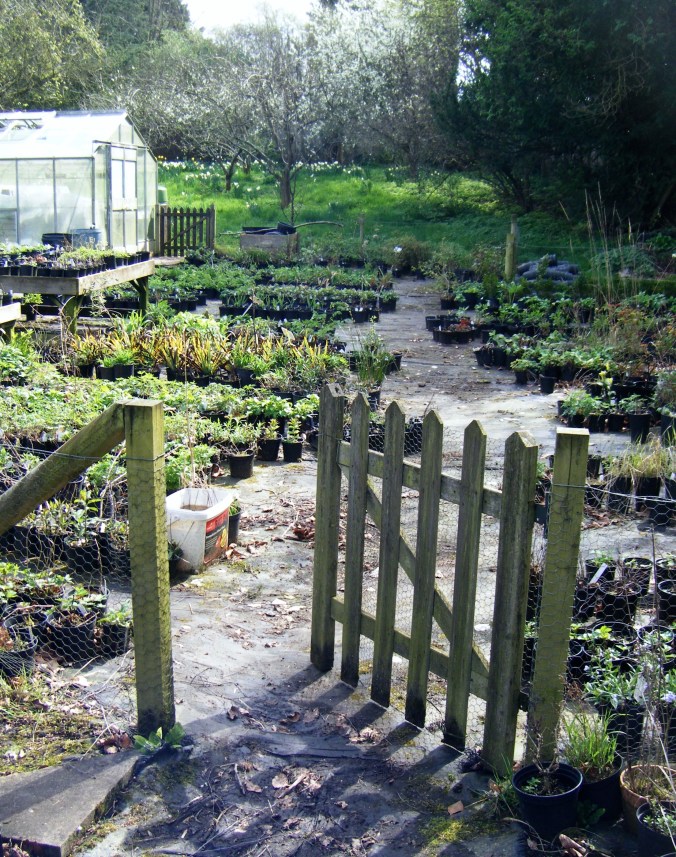
The blossom from the orchard behind lifts ones eyes from the raised stands, rows of pots and general workings of a small commercial nursery.

DSCF8862.jpg

We pass through beds and it comes as a surprise to find a large open field; a small holding with sheep and hens.

Much work is in progress;  a pond recently dug and a group of betula jacquemontii newly planted in the grass.

DSCF8863

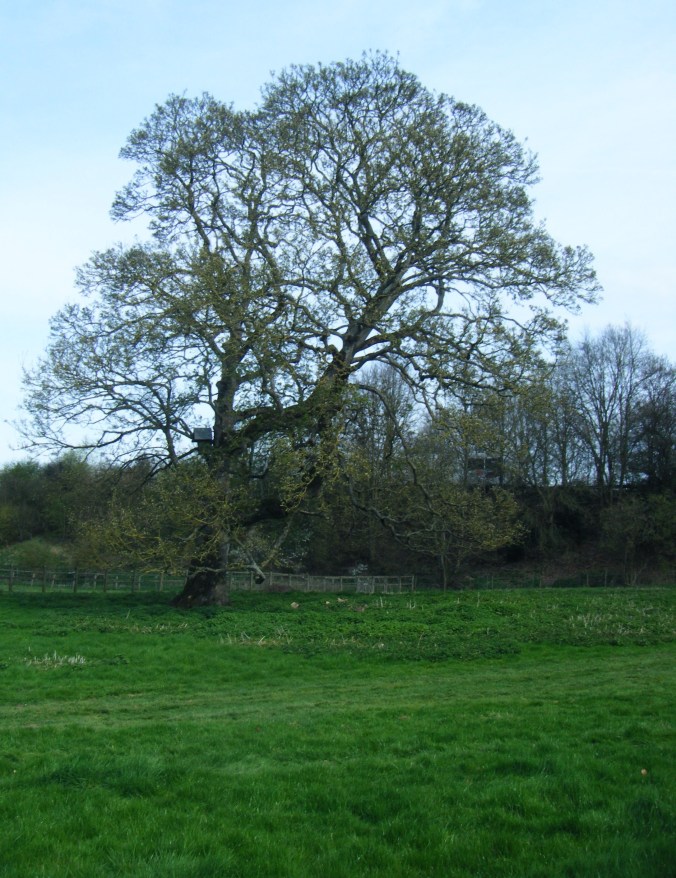
The owner is sad he has not sold last season’s hay stacked up high in the barn. By the look of the verdant meadow it could be another good hay crop this year. Up in the mature deciduous tree sits an owl nesting box undisturbed by the busy road in the far distance.

DSCF8865.jpg

Tea is served in the room at the end of the wooden hay store. Appropriately we take our delicious apple cake into the orchard.  We appear not to be alone.

DSCF8867

Sitting on the bench and enjoying the sunshine, we decline having our photograph taken but are grateful to have been asked so politely by the photographer. He, we discover is part of the Hampshire NGS team, and will be opening his wildlife friendly garden and small holding in June.

Retracing our steps we walk back into the cottage garden and find more pots of tulips.

DSCF8870.jpg

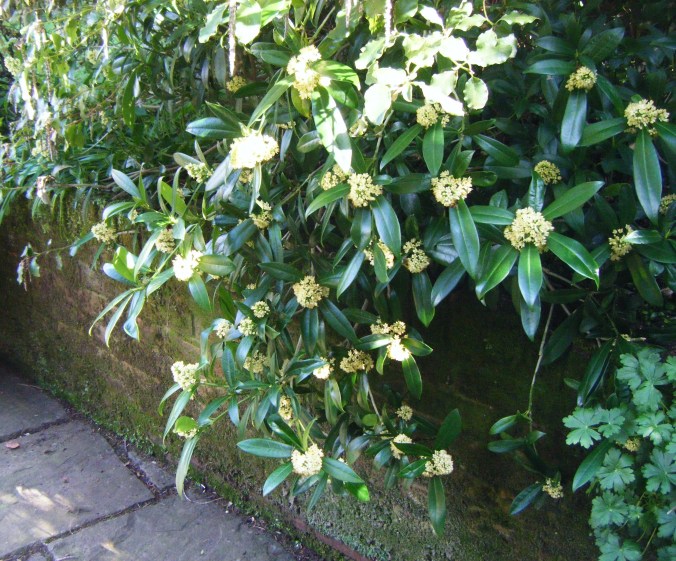
In the shady walk alongside the cottage, the scent of skimmia is overwhelming,

DSCF8872.jpg

and a gnarled branch gives added interest.

DSCF8873

The owner tells us she has opened for the NGS for three years now.  She recognises the proactive approach of their advertising and signage. A selection of plants are for sale with 10% being donated to the charity.

As we are leaving we notice on the fence outside a charming pink alpina clematis growing through the stems of a rose.

DSCF8874.jpg

——-20——-

Beechenwood Farm; dedication to the NGS. (19)

Tucked away down a narrow lane in the Hampshire countryside we found Beechenwood Farm open on a Wednesday.  At the gate one of the new signs with the ngs branding is displayed.

DSCF8742.jpg

These garden owners are ngs stalwarts having opened for over 30 years. Not just for one day, they share their garden every Wednesday from March to June.

DSCF8747

The road sign may be new, however these notices are charmingly out of date. The owners are keen to stress that the money raised goes to nursing funds. Perhaps nowadays there are too many beneficiaries listed on the posters?

DSCF8746.jpg

As I read the information a rich scent from a Daphne floats across.

DSCF8833.jpg

The first part of the garden by the house is a walled area. Previously a swimming pool it is now laid out as a herb garden.

DSCF8751.jpg

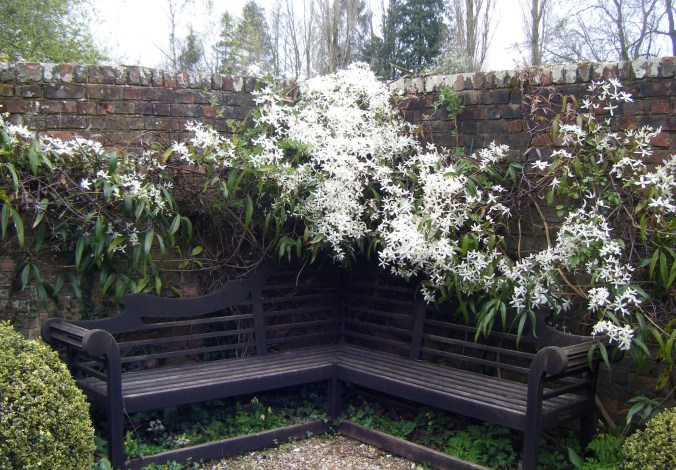
Clematis armandii grows is covered in flowers above the corner bench.

DSCF8748.jpg

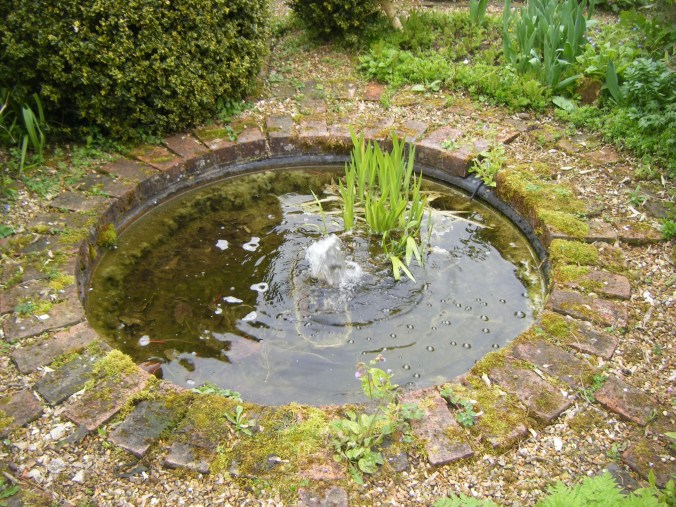
There is a gentle sound of water coming from the small round pond.

DSCF8834.jpg

Large shrubs of chaenomeles give a splash of colour.

DSCF8752.jpg

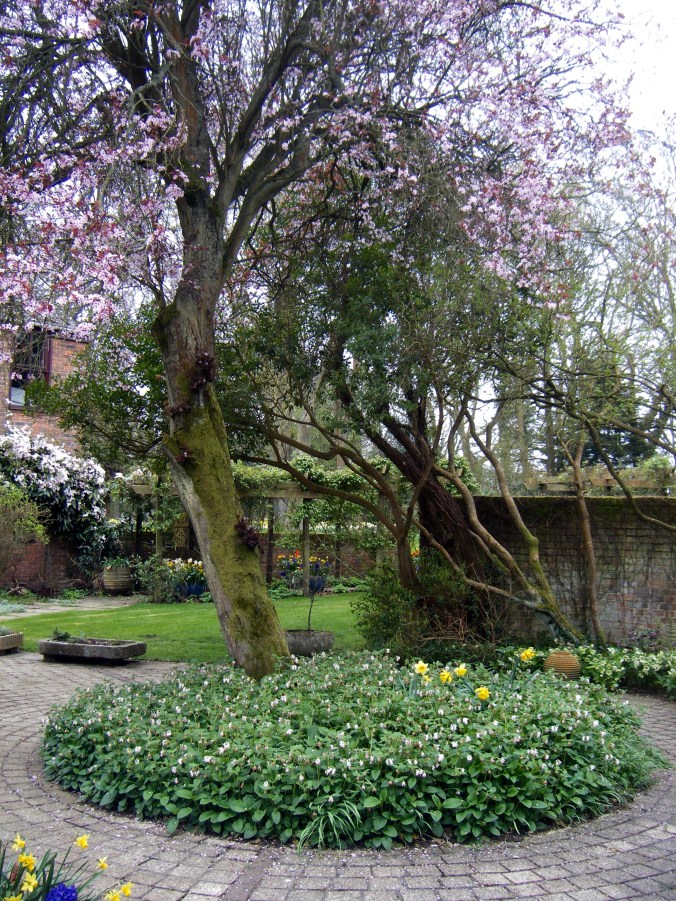
A circle of Comfrey grows beneath the pink prunus set in the brick paving.

DSCF8753.jpg

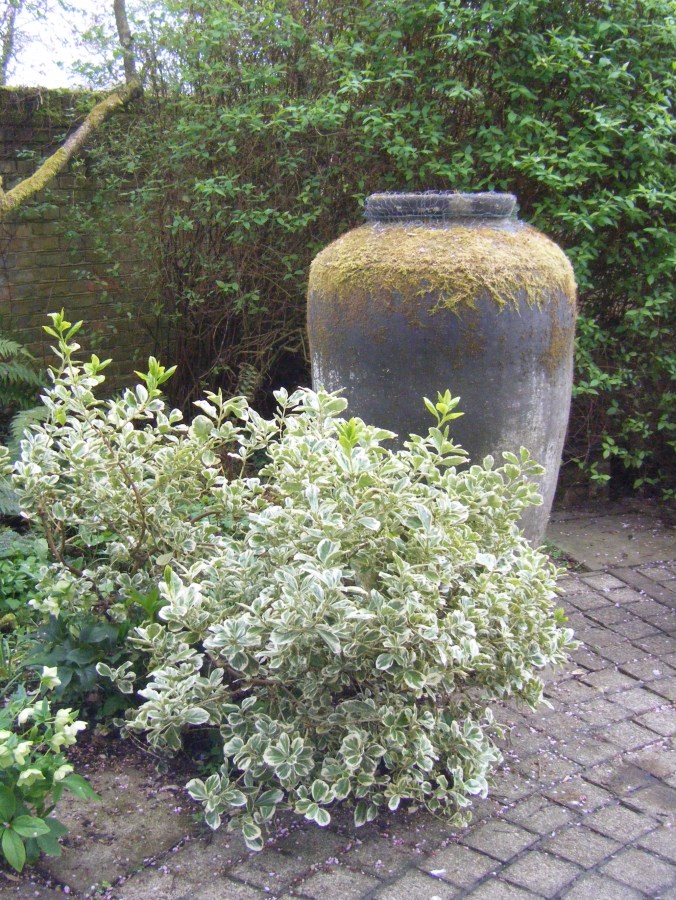
The urn is a giant, softened by moss growing on its shoulders.

DSCF8754.jpg

Another clematis armandii, slightly pink, grows against the house.

DSCF8755.jpg

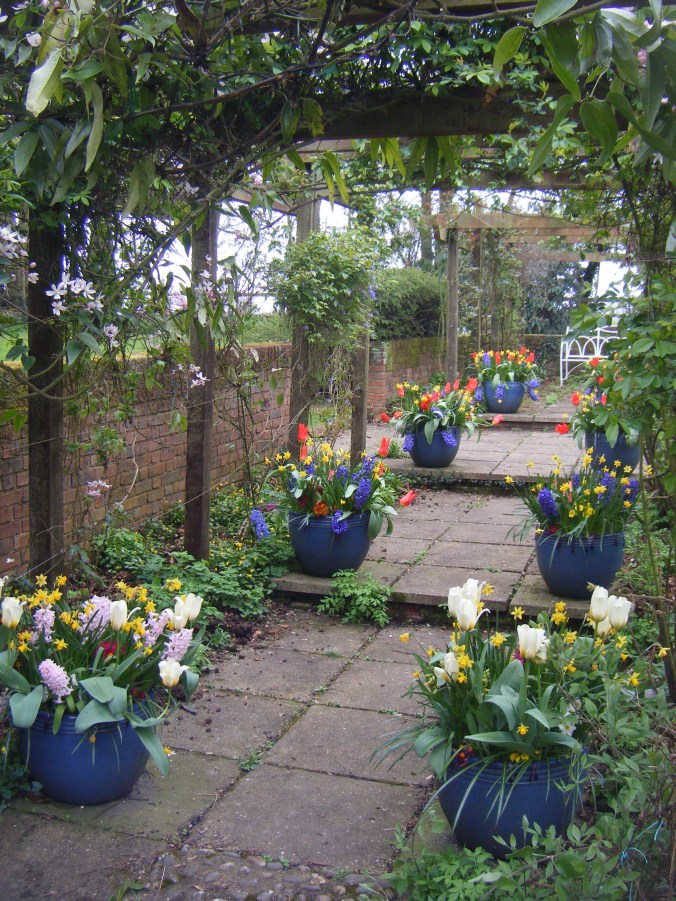
And then there is a sudden burst of colour from the pots along the stepped and trellised walkway.

DSCF8756.jpg

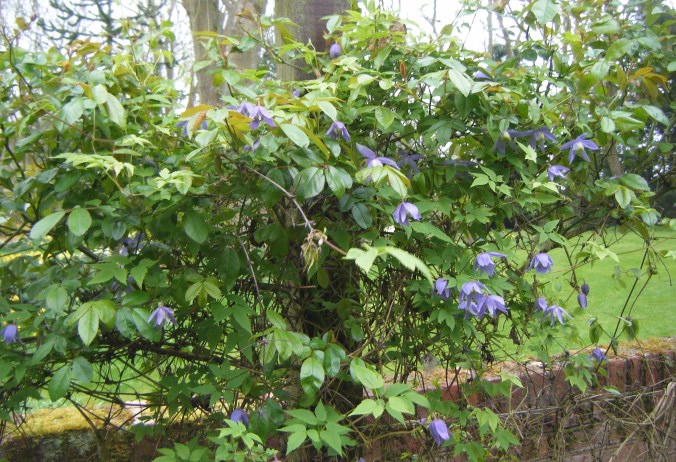
A gentle clematis alpina grows to the side.

DSCF8758.jpg

Not all the pots are so bright. This one on an old cornerstone is filled with water.

DSCF8763.jpg

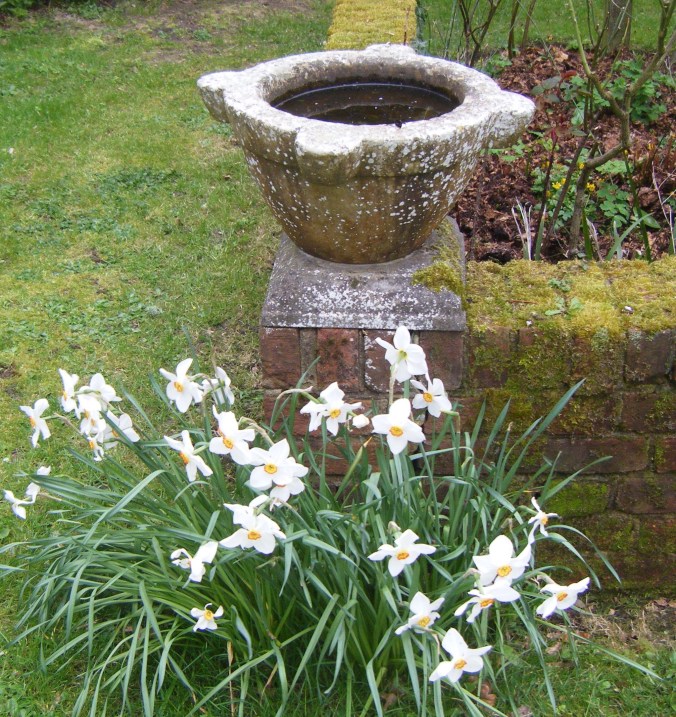
In the woodland, garden paths are mown through the long grass and daffodils.

DSCF8766.jpg

I visited a garden recently where the owner each year plants thousands of daffodils which are lovely but all the same variety. Here there is a rich medley:

Varieties of different shapes and colour.

DSCF8770.jpg

Ornaments stand amongst the drifts, including this fine owl.

DSCF8764

And a very happy dog?

DSCF8779.jpg

This elegant birdbath is positioned amongst a planting of periwinkle.

DSCF8767

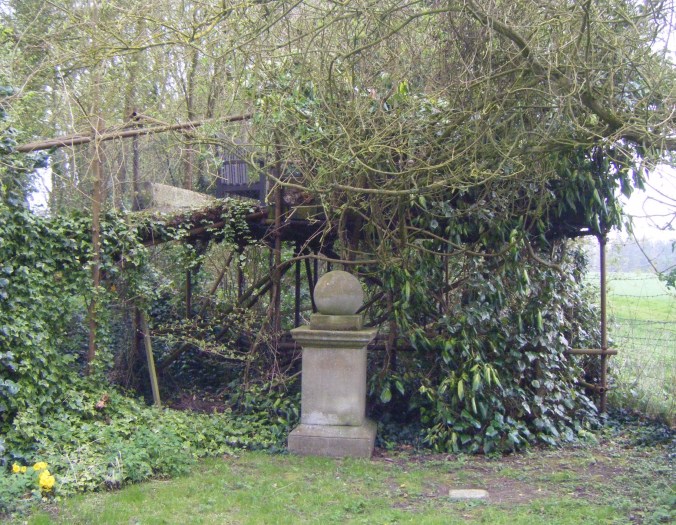
There is a narrow strip of the garden which extends through trees and out on a limb. A monument signifies the end and behind is the ‘belvedere’, a raised platform reached by steps and a scaffolded ramp.

DSCF8788.jpg

Where, on a fine day  you can look out across the countryside! Today we just have to be content to imagine a blue sky!

DSCF8787.jpg

Heading back towards the orchard we pass this fox stealing across a meadow of fritillary.

DSCF8798.jpg

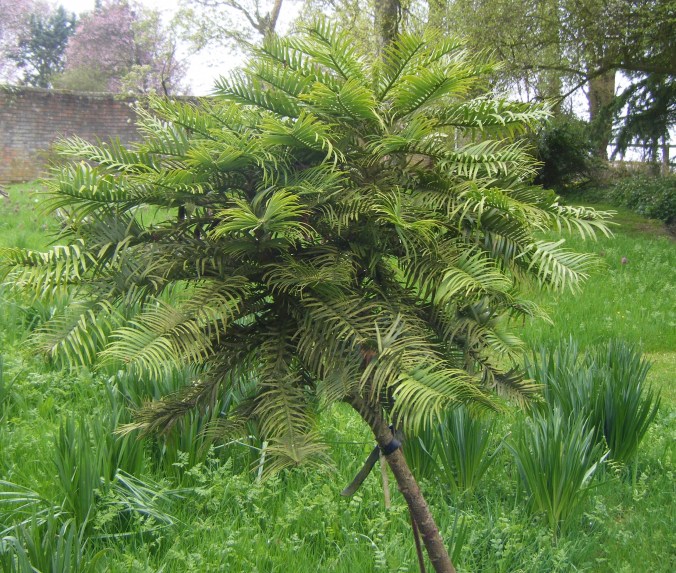
It is good to come across a young wollemi pine; an interesting tree it dates back to the dinosaurs and there are fewer than 100 now in the wild.

DSCF8795.jpg

The apple trees in the orchard have been skilfully kept in beautiful shape.

DSCF8823.jpg

At the far end of the orchard is a bed where not a patch of bare earth shows through and an assortment of metal structures wait to be covered.

DSCF8802.jpg

The greenhouse is warm, packed and very busy.

DSCF8812.jpg

An assortment of precious rosettes:

DSCF8813

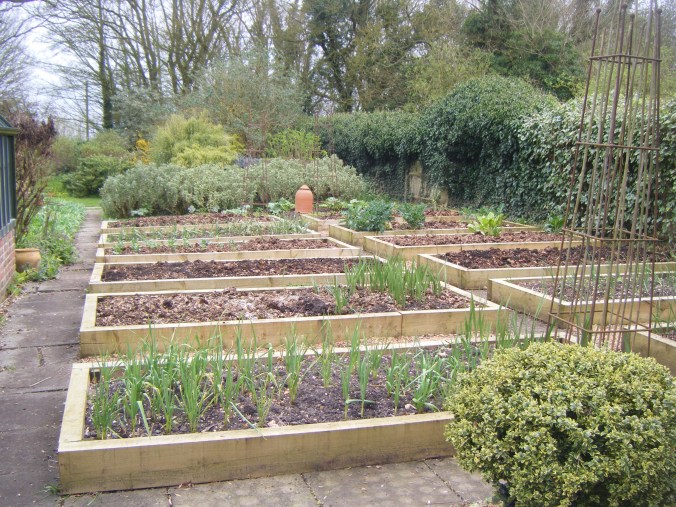
To the right of the greenhouse are the neat and beautifully tended vegetable beds.

DSCF8807.jpg

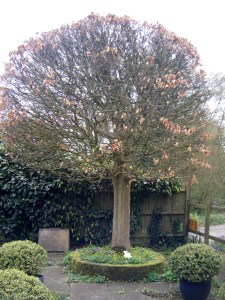
Nearby is a beech, its rounded shape is echoed at the raised base.

DSCF8808

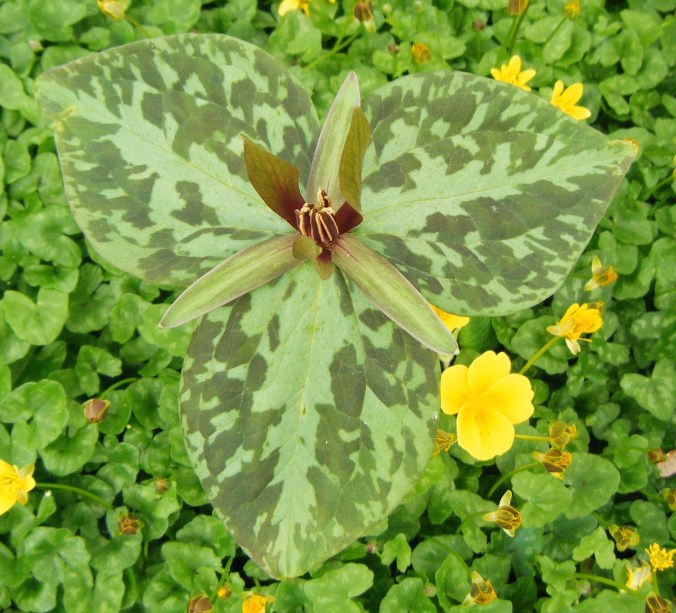
Where we find an exotic trillium poking above the celandine.

DSCF8814.jpg

Across the lane there is more to explore. A further orchard where plums trees are coming into flower.

DSCF8824.jpg

Such exquisite  blossom.

DSCF8825

While the husband takes a call on his mobile,  I head for the tennis court. Not as you can see for the game. No match played here now the children have left home. It is however in excellent use for plant sales and they are in good condition and very reasonably priced.

DSCF8827.jpg

We take the path through in the eight acre copse, where we disturb a group of roe deer. The wood was planted in 1992 with beech, oak, prunus and a sequoia. 

We have explored every corner, there has been much to see, and plenty in flower. Surely it is time for tea. We return to the house and take it in the courtyard.

DSCF8759.jpg

The sun has not shone but we are cheered by not only the bloom of a glorious camellia but also the very good coffee and walnut cake!

DSCF8836

Before we go we are alerted by an Amber warning:

DSCF8741.jpg

——-19——-
Nine Chimneys Lane. (18)

Following on from Kirtling Tower we drove some twenty minutes away to the village of Balsham, still in Cambridgeshire, where we found The Garden Gate is Wide Open. It displays a 7.5 ton lorry restriction, surely a first in my journey of garden visiting!

DSCF8684

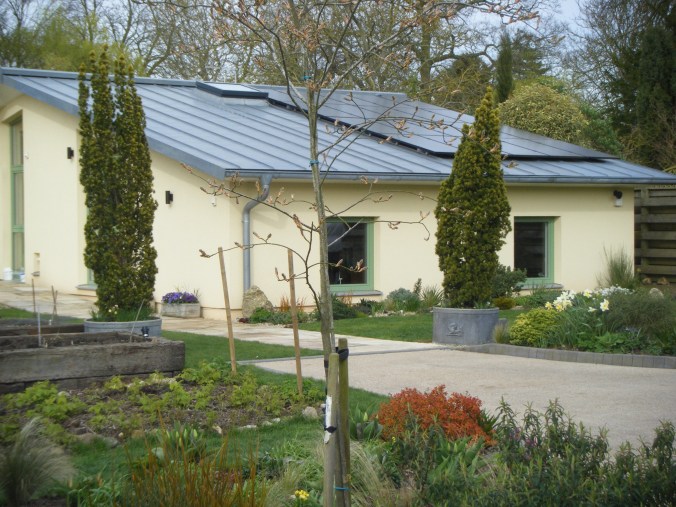
The owners previously lived in the large Manor House next door. They so loved it here that after the children had flown the nest, they built and moved into this very modern home; smooth walking surfaces, no steps and a building easy to maintain. Leaving more time to enjoy the garden!

DSCF8736.jpg

At the front of the house are south facing borders planted in 2011 which contain a variety of gems. Ornamental and gravel to the right,

DSCF8726.jpg

and vegetables to the left, that are grown in raised beds just a stone’s throw from the kitchen and back door. It is only March and the broad beans are already in flower.

DSCF8723.jpg

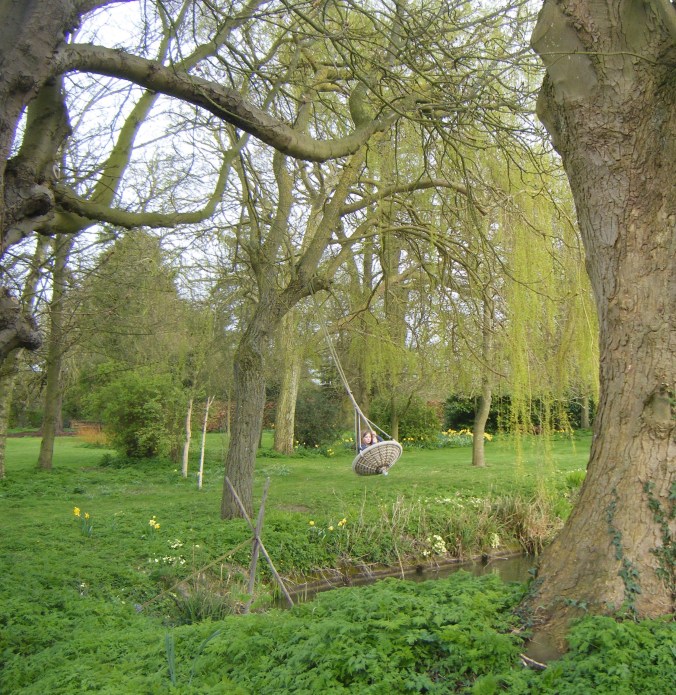
Behind the house it is very different feel. A large pond big enough for a small island, is surrounded by mature trees.

DSCF8686 (1).jpg

What is really noticeable is the sound of children. Volunteers are standing by on ‘pond duty’. It is a haven for youngsters here. This swing provides fun and is in constant use.

DSCF8688.jpg

In contrast to the informality is the cleanly clipped hedge of yew which we circuit and come across the viewing mound.

DSCF8695.jpg

The neighbouring Nine Chimneys House is very visible over the hedge.

DSCF8690

But the real reason to climb the mound is to see the musical maze. When I heard it was musical I wondered if it would have piped music, but the only sound of music was from the enjoyment of people walking within its green walls.  Thank heaven, the music is in the shape; A treble clef and two horns are shaped in the 1500 yews.

DSCF8691.jpg

You cannot quite see it all but it is clear in the aerial view on the postcard we were kindly given at the gate.

DSCF8932

The big balls cut out of the yew at the entrance beckon you in and there is much to explore inside the maze.

DSCF8692.jpg

There is also plenty outside. The musical theme carries on; Cornus are growing into the shape of a note?

DSCF8701.jpg

Close by is a human sundial laid in the grass.

DSCF8699.jpg

Step onto the month and your shadow will tell you the time:

DSCF8698

There is plenty of green space for children to run and play, and the majestic Turkey Oak provides an alternative swing.

DSCF8710.jpg

And the toadstool nestling in the growing cow parsley, offers seating for those weary legs.

DSCF8703

At one end of the pond is an intriguing sculpture.

DSCF8709.jpg

While at the other end a punting silhouette reflects in the water.

DSCF8713.jpg

The tufted ducks and the golden orfe add a living dimension.

DSCF8718

To the side of the house there is a narrow bed filled with  colourful planting:

DSCF8729

and back at the front of the house the cat is content in a warm spot:

DSCF8728

The sun has shone all afternoon and it is not only the children who have been busy in the garden.

Version 3

——-18——-
Kirtling Tower. (17)

There was plenty of space to park the car at Kirtling Tower, near Newmarket (in the county of Cambridgeshire, rather than Suffolk). This is a fine shooting estate and there was a friendly welcome from the helpers sitting in the gun bus at the entrance.

It is such a bonus to be given a history of this ancient site which we were handed as we arrived. This incidentally, included a list of food and drink from the household accounts for the three day visit of the Queen in 1578.

First we walk through a meadow planted with thousands and thousands of daffodils. A living memorial to the eldest son who died in 2000; it is a beautiful way to remember him.

DSCF8680 (1).jpg

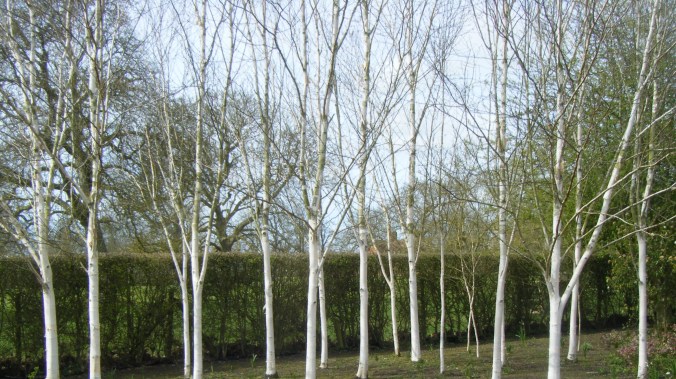
The Himalayan Birch Betula utilis var. jacquemontii  is striking as you enter the Secret Garden; a hallmark of the great Richard Ayers who created the famous winter garden at Anglesey Abbey, the previous home of the Fairhaven family.
DSCF8601

They look handsome either as a single or in a ghostly group.

DSCF8607.jpg

and it is good to see someone has a sense of humour!

DSCF8608

The silver theme is echoed round the corner in the stems of the white bramble rubus cockburnianus:

DSCF8609.jpg

who have the small species tulips growing at their feet.

DSCF8610

Stems of the alba ‘Sibirica’ glow golden,

DSCF8613.jpg

and naked branches of Willow are bent over to form an archway.

DSCF8617.jpg

It is a quiet garden devoid of the noise of traffic or urban sprawl, and it is the gentle sounds of birds and water which you hear.

DSCF8614.jpg

The hellebores remind me of a bunch of gleeful schoolgirls.

DSCF8615.jpg

The white bergenia brightens the base of a tree.

DSCF8616.jpg

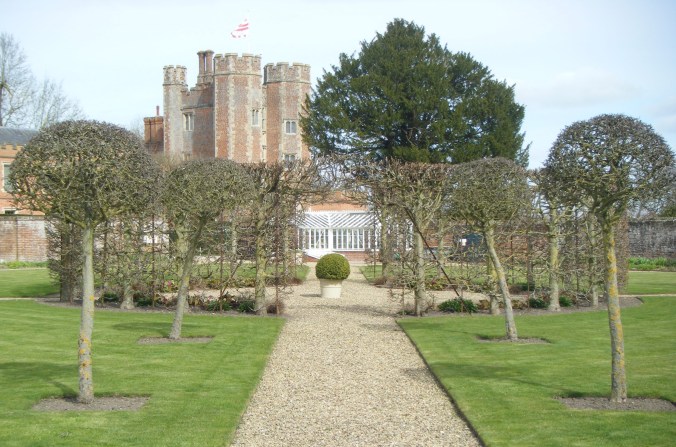
Turning left out of the secret garden we walk down the pleached Hornbeam drive.

DSCF8620.jpg

The closed iron gates, appear to be more of  a ‘clairevoie’ rather than an access route.

DSCF8619.jpg

Just a little further on we find the gate is open into the walled garden:

DSCF8621.jpg

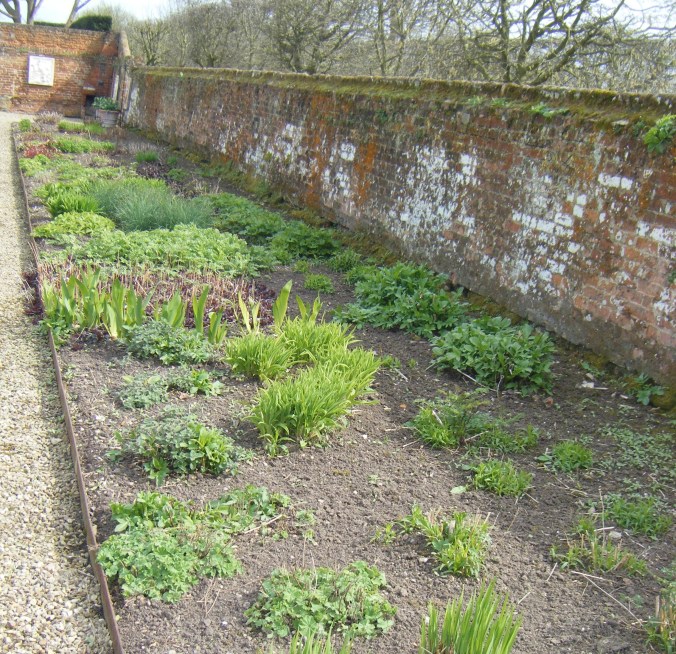
This border now seemingly dormant, will look at its best in the summer months. Meanwhile sheltered from the March winds the herbaceous plants are beginning to forge ahead.

DSCF8622.jpg

These foxtail lilies are going to be huge and stunning.

DSCF8628

Edges are neat and the grass is mown.  Diagonal paths cut across and meet in the middle; a central focus with a circular frame to the planting.

DSCF8624.jpg

Clipped ornamental hawthorn Crateageaus orientalis line the paths.

DSCF8626

Vast terracotta pots filled with topiary and the scented shrub of Osmanthus x burkwoodii provide interest in the Victorian garden. There is a large variety coming through in the paeony beds.

DSCF8634.jpg

This graceful antique statue will enjoy their rich blooms, but at the moment she has to be content with the evergreens.

DSCF8639

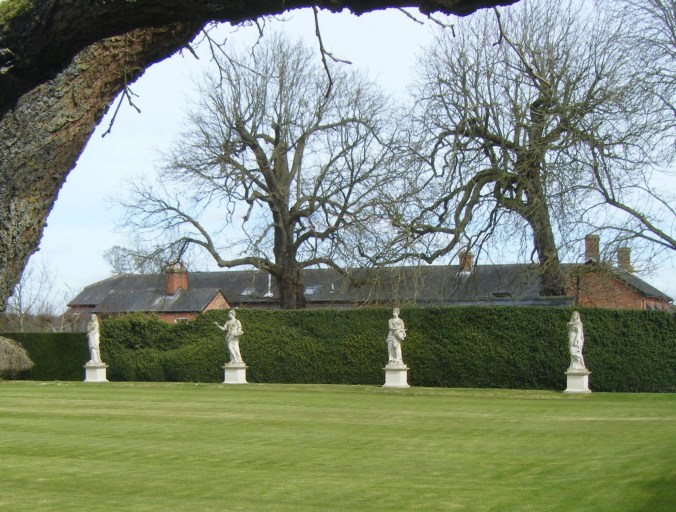
Across the lawn there are more statues, animated and so very white against the yew hedge

DSCF8637 (1).jpg

Heading away to the informal part of the garden this chap grins at us from the bridge.

DSCF8643

More signs of Spring along the Tudor walk beside the shallow moat.

DSCF8645.jpg

The snake heads fritillary fritillaria meleagris is irresistible with its double head.


DSCF8648

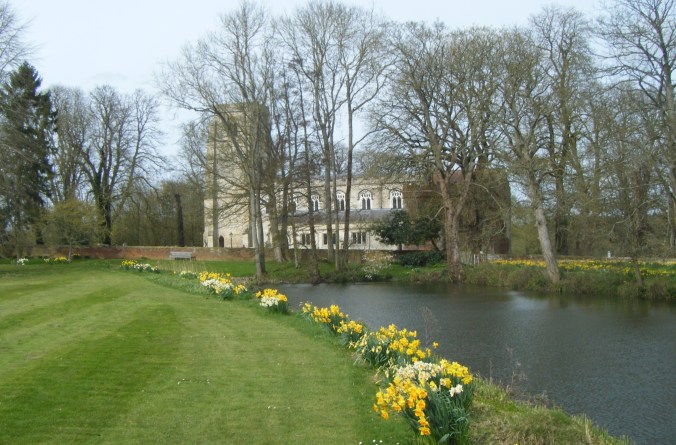
Further round this side of the garden the moat is deeper and full of water.

DSCF8652.jpg

In the middle a fountain sprays upwards in the breeze.

DSCF8656.jpg

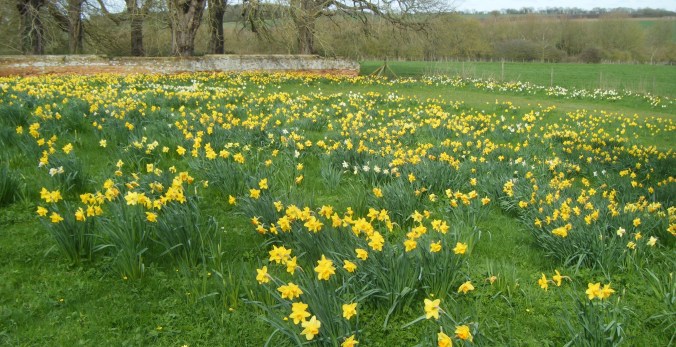
While on the other side there is another show of yellow.

DSCF8667.jpg

The farm buildings have been restored recently to a high standard.

DSCF8670.jpg

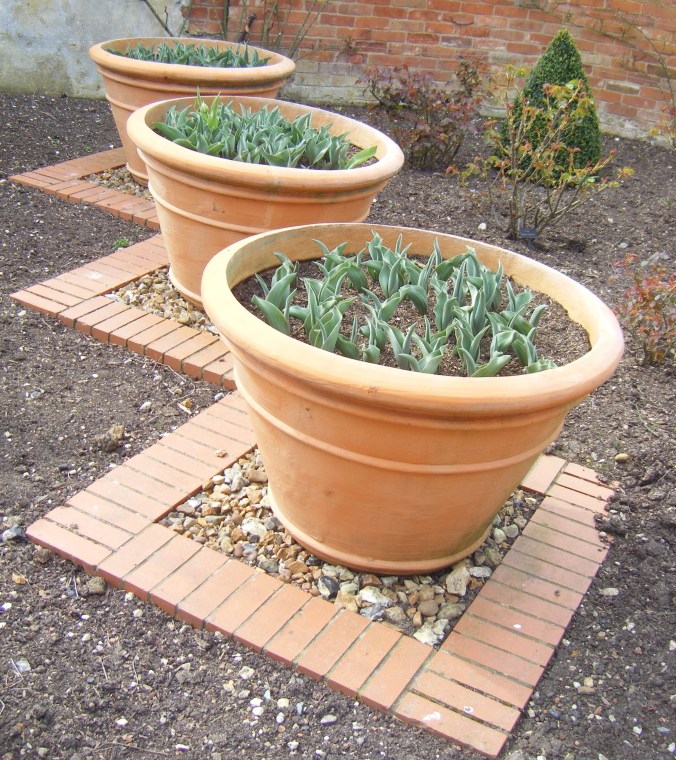
More giant pots, this time filled with tulips.

DSCF8672.jpg

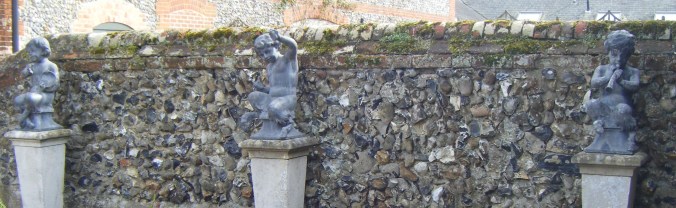
and these three cherubs play and watch

DSCF8663.jpg

the water flow silently down this metal obelisk.

DSCF8661

Home-made refreshments are available in the church, but we have no time to dawdle for another garden beckons. A glance down the iris borders,

DSCF8679.jpg

and a thoughtful photo is a reminder of what is yet to come.

DSCF8677

——-17——-


Horncastle; a heavenly haven. (16)

It was lovely to have a friend accompany me on the drive to Horncastle. We had not met up for awhile so inevitably there was a lot of catching up to be done and consequently we missed a turning!

It did not matter;  it was  a lovely day, sunshine at last and Spring was forcing through the Fens. We were cheered  by the profusion of daffodils growing along the verges and the soft green of the willows.

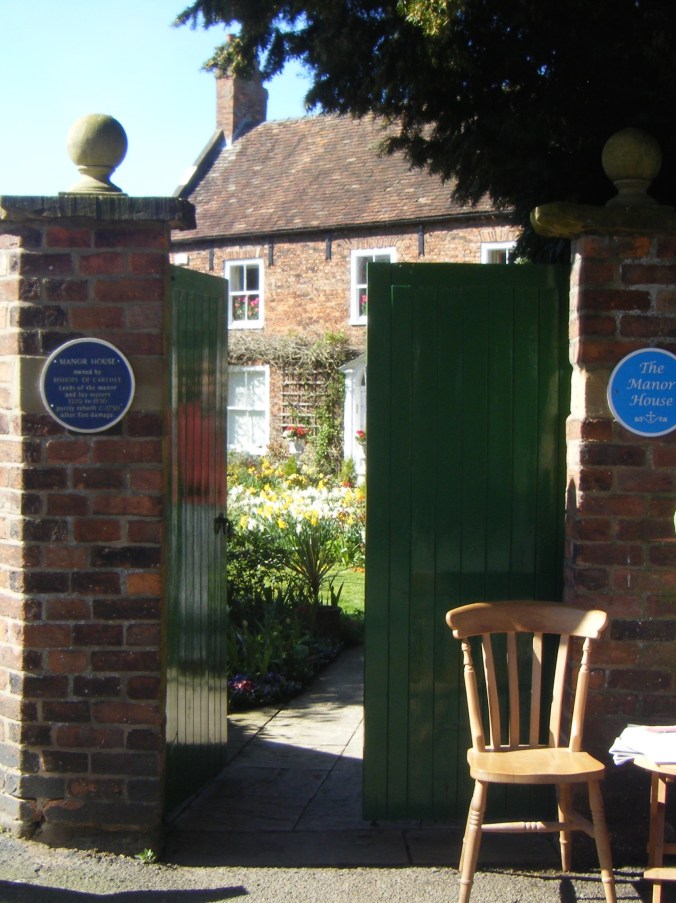
Parking  by the church in the town centre, we  found The Manor House nearby hidden away behind high walls. The entrance was attended by two charming gentleman who politely opened the Glossy Green Garden Gate for us.

DSCF8539

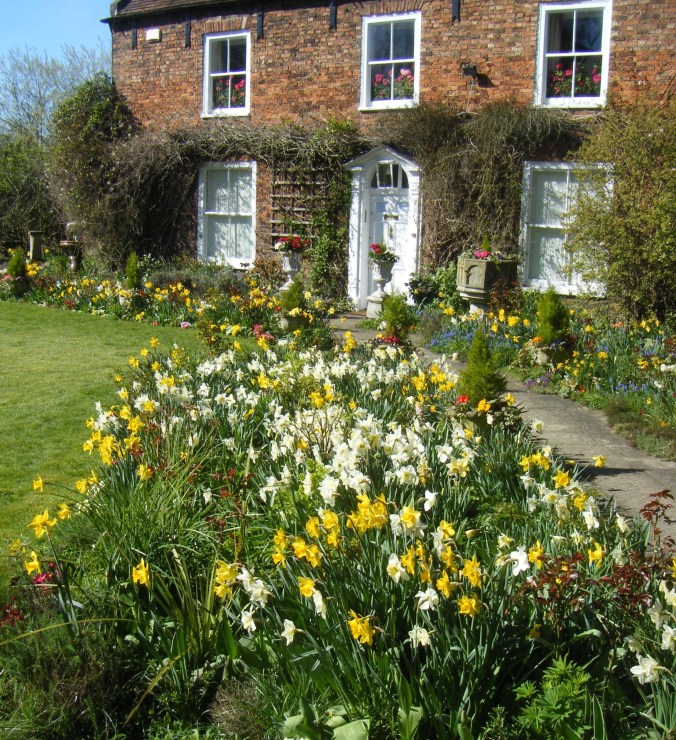
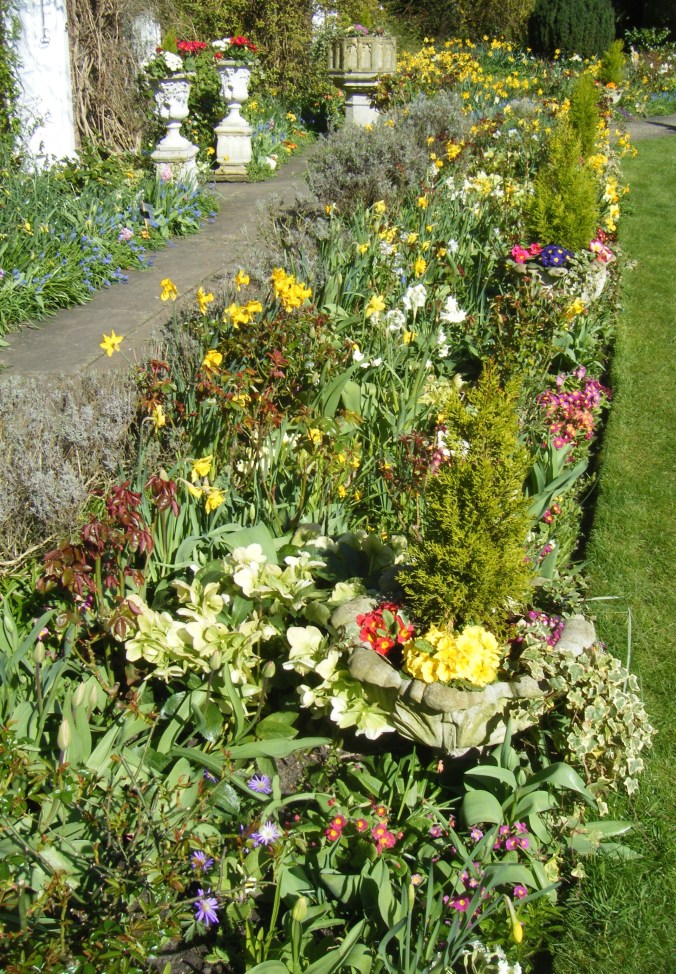
In through this doorway we are greeted by an explosion of spring flowers edging a neat lawn and growing on up the path to the front door. It is an endearing house and from the upstairs windows the faces of geraniums eagerly look out at the arriving visitors; a tradition carried on by the present owners who have been here for five years.

DSCF8544.jpgThe simple planting is so effective; daffodils, yellow and white,  large and small. Hyacinths, Polyanthus, Violets, Tulips and Wood Anemones mingle together to provide a delightful tapestry of colour.
DSCF8541.jpg

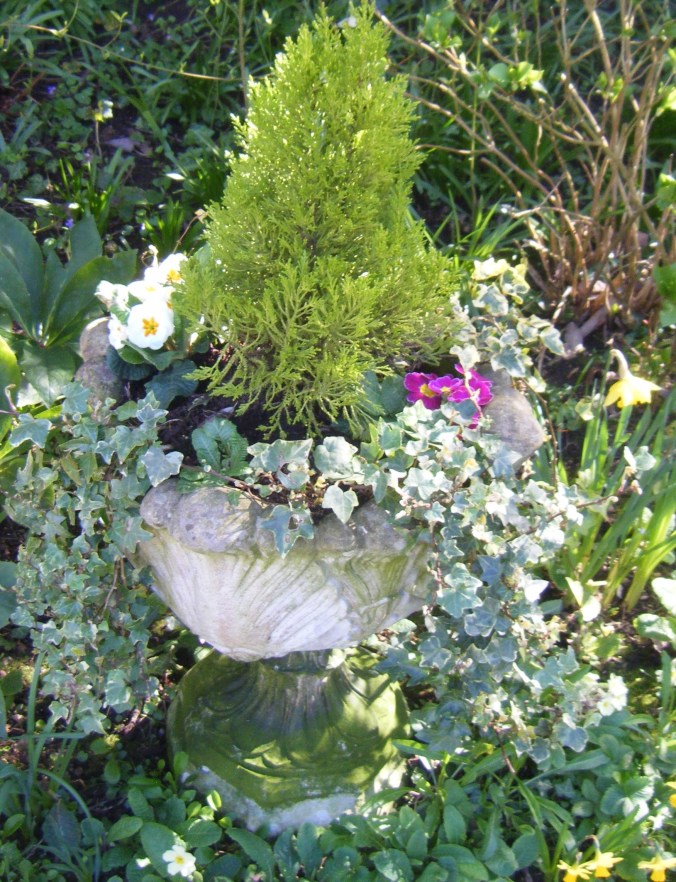
The bright border runs along the edge of the path and along front of the house. Either side of the front door is a pair of urns or should I call them jardinieres?

I am reminded of Gertrude Jekyll who wrote ‘There are some English words which have no equivalent in French, but then there are a great many more French words for which we have no English. One of these is jardiniere.’ I won’t go on.

DSCF8555.jpg

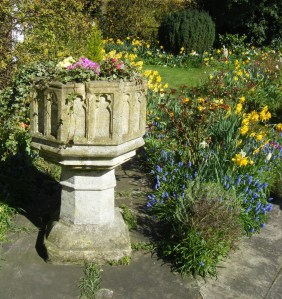
What might she have said about the font which stands solidly near the door positioned to be seen from all directions.

DSCF8547

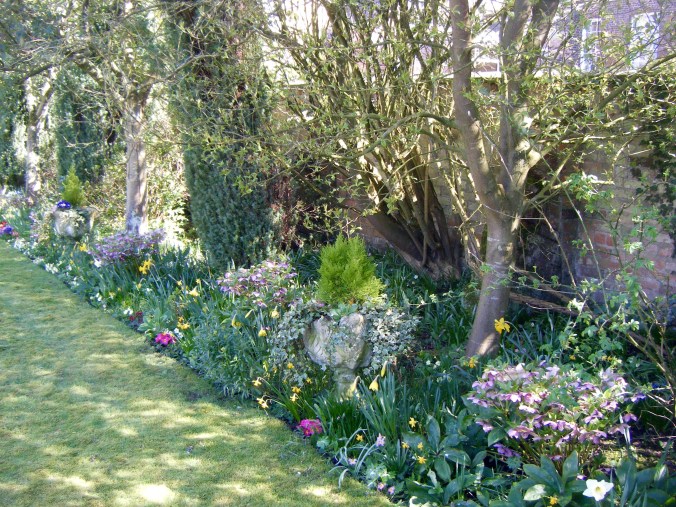
Directly opposite the house is a border running along the boundary wall. Traditional repeat planting consists of sky rocket juniper and a type of cotoneaster tree  with planters  alternated with clumps of hellebores interwoven amongst spring bulbs.

DSCF8548.jpg

The planters are repeated all around this part of the garden, they provide some structure and a softening  green.

DSCF8551

Big handfuls of Hellebores  enjoy the dappled shade.

DSCF8552.jpg

At the end of the bed and in the corner of the lawn is an elegant metal tree seat.

DSCF8554.jpg

By the house an empty pot sits amongst a tangle of fig branches.

DSCF8558

We edge along the side of the house, shaded at this time of the day.

DSCF8583.jpg

and down the covered ramp which links us to a lower area of garden.

DSCF8564.jpg

Akebia quinata twines amongst the trellis and is just coming into flower.

DSCF8563.jpg

The level lawn under the watchful tower of the church, is surely the perfect place for a game of croquet.

DSCF8584.jpg

A small gentle coloured chaenomeles grows against the wall enjoying the full sunshine.
DSCF8565

There are not only single-headed hellebores but also a rich double.  Why can’t they raise their heads a little?

Version 2

An old apple tree is also underplanted with spring bulbs and stands in front of the vegetable plot.

DSCF8574.jpg

Behind all this, it is a surprise to find even more. A large informal orchard stretches down to the River Bain. Visitors are able to sit and enjoying the peace.

DSCF8588.jpg

I had forgotten what it was like to look up at the blue sky.

DSCF8587

At home I spend a lot of time pulling out comfrey and here it is looking good controlled and in the shade under a tree.

DSCF8579

A medieval well is backed by a short section of ancient wall.

DSCF8577 (1).jpg

By the back door is a small enclosed square garden.

DSCF8581.jpg

Visitors like to look everywhere and we are no exception. Even the seemingly uninteresting places around the back become fascinating.

DSCF8589.jpg

Pink bergenia fill a space in the shade to the North of house.

DSCF8591

Several small statues appear around the garden and this little lady enjoys the shelter of the evergreen shrubs.

DSCF8594

We retrace our steps back along the sunny path to the gate.

DSCF8557.jpg

And feel the contrast of dappled shade just to the right of the gate

DSCF8595.jpg

There has been a good flow of visitors, some with their children others with well-behaved dogs. They appear to be in no hurry to leave.

We do have just one criticism which we share with the owner, surely the entrance fee should be a little more. It is his first opening and he is too modest to agree.

DSCF8597.jpg

The kind gentlemen are still content at the gate. They explain to us that this was for many years the holiday home of  the Bishops of Carlisle who owned much of the land around here. We wonder where they go now?

DSCF8599

Across the way back to the Church of St. Mary’s, we enjoy our cheese scones and fruit cake under the watchful eye of the most beautiful gilded angels

——-16——-

Wickets; where Spring is on the way. (15)

Wickets, Upper Langley in Essex was the only private garden to be open for the NGS in East Anglia last Sunday. I was fortunate to be able to bowl along and have a sneak preview the day before.  It was yet another of those steely grey days.

At a time when most of us are only just emerging into our gardens, Doug and Sue were way ahead of the game and had the place ship shape and ready for the Spring invasion.  The garden gate was really wide open:

DSCF8420.jpg

The soft green grass, trunks of silver birch and a show of daffodils drew us in. Growing near the entrance by a small log pile were these charming cowslips .

DSCF8425

Several years ago Doug and Sue added to their garden by buying a piece of land. Sue’s mother was not in favour of the purchase but like all good children they took no notice, naming the area in her memory.

DSCF8419

Bessie if she was still around, would I am sure admire what has been created here. This is the area designed for fun; eating, harvesting and chilling. The large table (there are children and grandchildren), is tucked in beside the small parterre.

DSCF8418 (1).jpg A variety of planters surround the gravel space and this pleasingly shaped terracotta pot stands in the corner.

DSCF8410

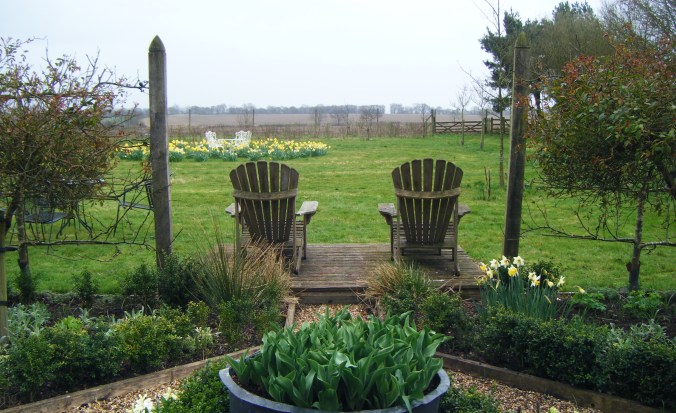
Espaliered apples surround the parterre and fruit cage combining ornament with production.  These adirondack chairs beckon you to sit, but do Sue & Doug have the time?

DSCF8413.jpg

The view looks out across the Essex  countryside to the far off long-distance footpath of the Harcamlow Way.

DSCF8400.jpg

There is actually a footpath which runs  diagonally across Bessie’s End. Instead of ignoring it, or even trying to divert it,  a hawthorn hedge has been planted accentuating angle and length. It is a path which is seldom taken. Perhaps for many walkers it might seem an intrusion.

DSCF8390.jpg

Why bother with walking when there is a Shepherd Hut to sit and read in.

DSCF8383.jpg

Wickets is divided into three sections and so leaving Bessie’s End we move into the informal meadow area  which is dominated by the pond.

DSCF8429.jpg

A group of pines, cleverly planted provide a welcome touch of evergreen without blocking the view.

DSCF8430.jpg

Hermes or rather Herpes, as Doug calls him, looks downcast while he waits for the summer months. There are all sorts of characters who live in this garden.

DSCF8441.jpg

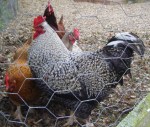
A stoney Owl peers across at the penned-in cockerel and his hens.

DSCF8433


DSCF8434


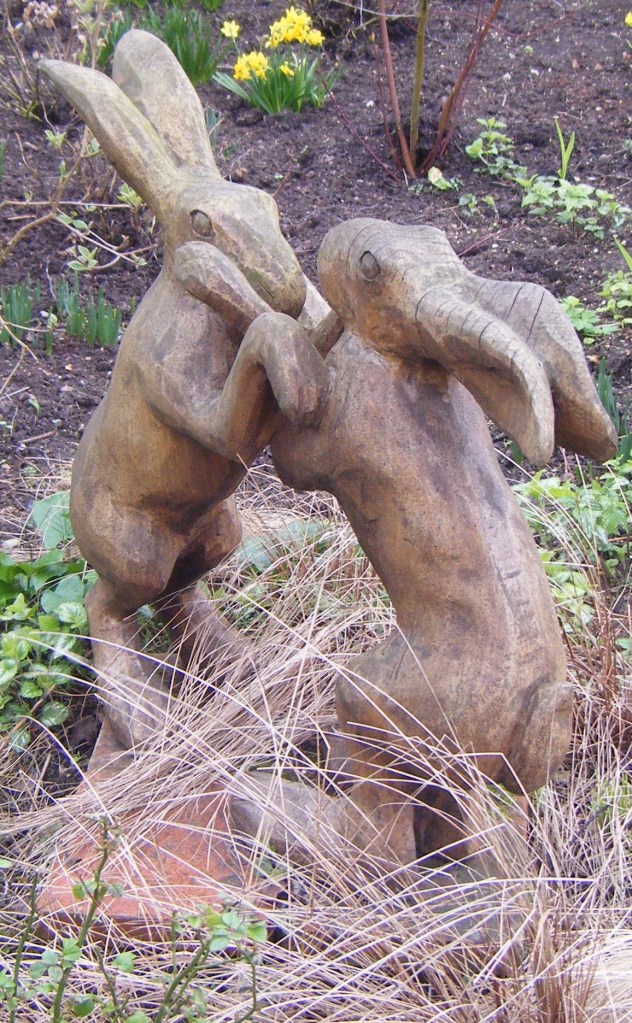
Mad March hares are boxing in the border.

DSCF8450

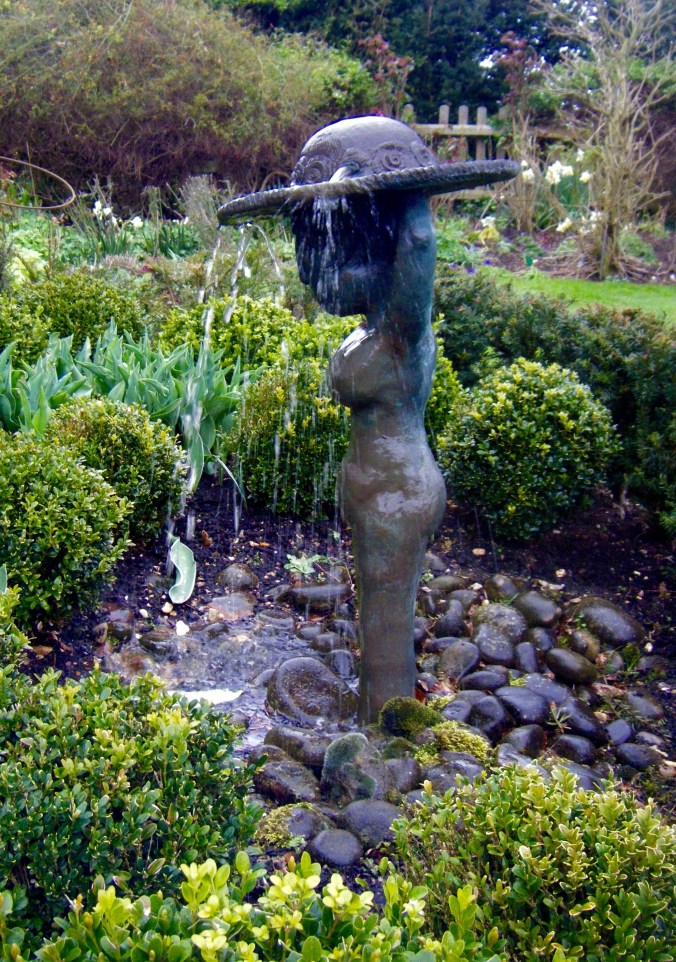
By the house stands this little lady. An air of charm under that hat, she sounds just lovely.

DSCF8497.jpg

An ancient face is pinned against the wall of the house. What better way to use this black grass ophiopogon planiscapus.

DSCF8499

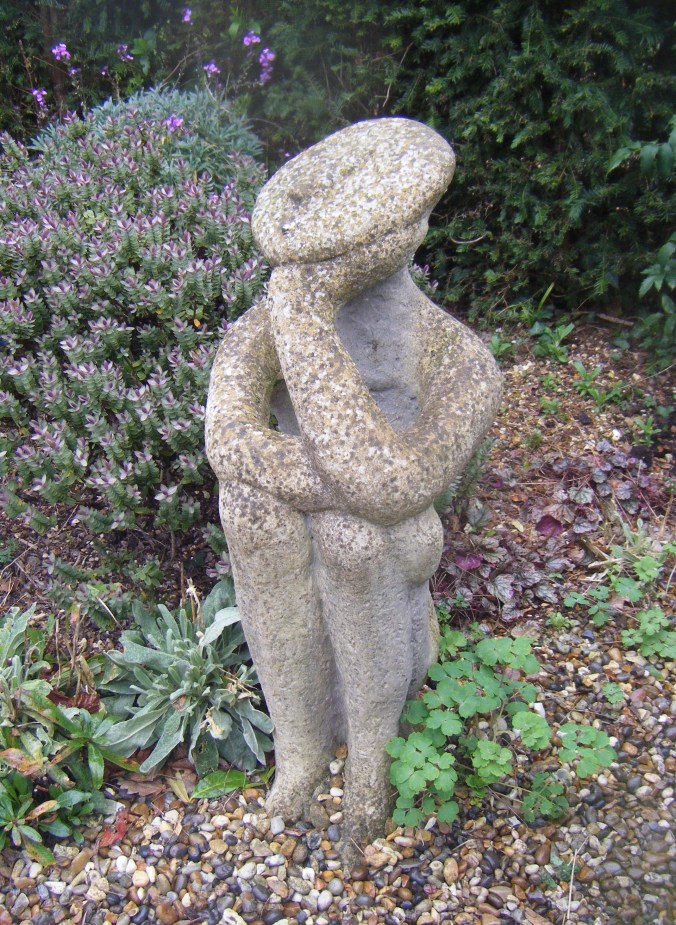
While this person seems wrapped up in thought. Doug says its George but surely it is Georgina?

DSCF8527.jpg

The third part of the garden surrounds the house;  a more intimate space with great attention to detail. It is evident that Sue trained as a garden designer. How different it will all look in May when the garden opens again.

DSCF8445 (1).jpg

Beds curve around the lawn. All year round planting provide dabs of colour and delicious scents. The hedge running along the back divides but does not dominate, allowing glimpses over into the pond garden.

DSCF8502 (1).jpg

There are lots of interesting features such as the redundant barbeque.

DSCF8448.jpg

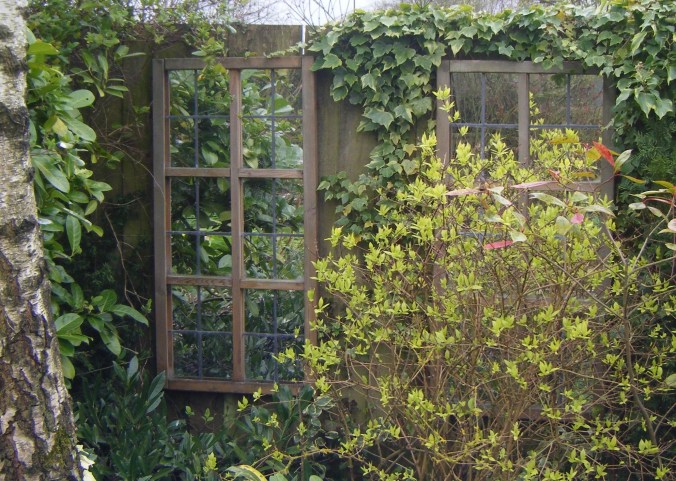
A mirror on the fence cunningly reflects and broadens the space.

DSCF8466.jpg

A Pergola attached to the house, covered with roses gives height and frames the pots of tulips and the imaginative bird table.

DSCF8462.jpg

There is a place to pause and be on your own.

DSCF8459

Daffodils cunningly hide a recent mole run.

DSCF8454.jpg

There is plenty of brightness now.

and it is not all yellow

DSCF8475

Sweet violets grow prettily amongst the shingle.

DSCF8480.jpg

A leafy stepping stone embedded in the dark earth allows me to hop over to the border.

DSCF8504

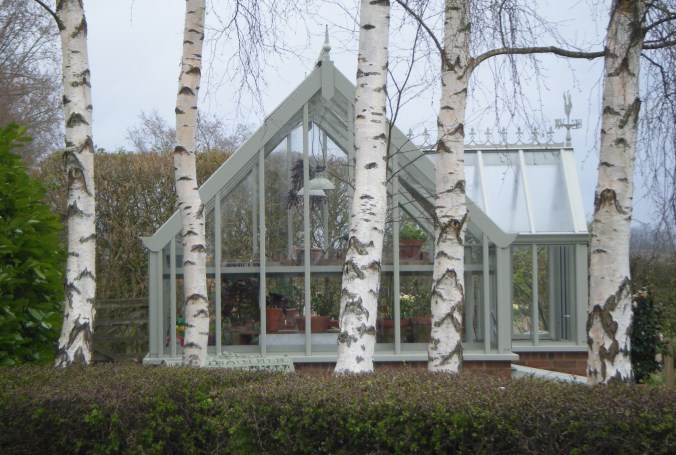
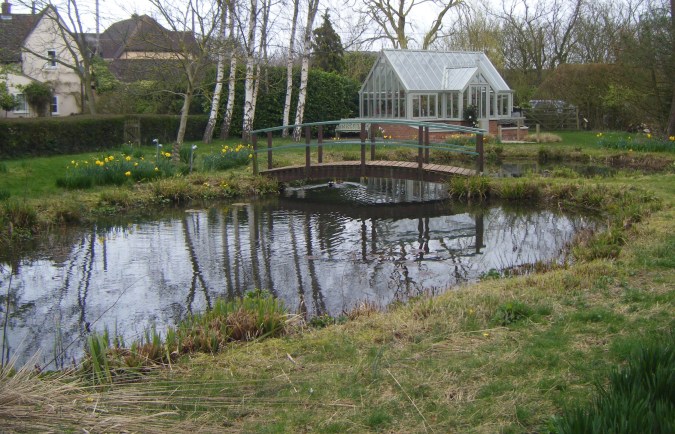
I can’t help but covet the glass house and it is this rather than the main house, that seems to have the greatest presence in the garden. Seen from various angles either beyond the clipped silver pear pyrus salicifolia ‘Pendula’.

DSCF8464.jpg

Or over the hawthorn hedge and through the silver birch.

DSCF8452.jpg Further away across the reflecting water
DSCF8438.jpg

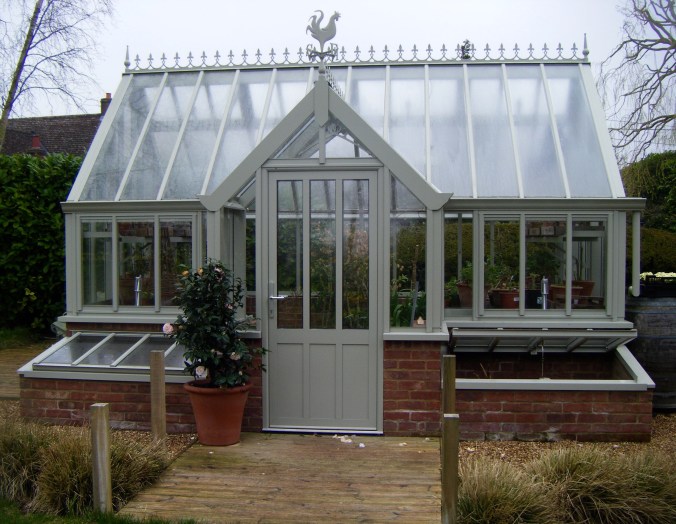
It is a very pleasing design and beautifully made. A Griffin Glasshouse, and the NGS receives a small percentage of the sale of every glasshouse in the NGS range.

DSCF8522.jpg

It is a joy inside, a welcome relief from the wretched rain.

DSCF8521

The weather does not bode well for tomorrow’s open day. Visitor numbers are unpredictable especially at this time of year. Doug has already made the soup and we leave Sue baking in the kitchen;  the smell of fresh home-made cake will surely help to bring the people in to this engaging garden.

——-15——-


The Elusive Tilly.(**)


Some time ago I discovered that there is a snow drop called Tilly.  John, a trusty galanthophile from Gable House thought he had one but could not lay his hands on it when I visited some weeks ago (blog 9).

Tilly is a hybrid between galanthus gracilis and galanthus plicatus “Trym” which I have to say is completely meaningless to me. I like the idea that having found it in her garden, Valerie Cross, a notable lady in the snow drop world, named the flower after her terrier.

I am delighted to report that John has now supplied me with Tilly. I was a little surprised at the going rate of £40.00. A serious amount for such a tiny bulb. Think of how many other plants  I might buy for the same price. However my daughter Tilly has been living in Argentina for the past year. I miss her and really need a little something to celebrate her birthday. She of course reminded me that she is priceless.

IMG_1508

Indeed the price paled into insignificance when I noticed this label at Monksilver Nursery the other day:

DSCF8359

John also sent me some Galanthus Allenii , cheaper than our Tilly. They came through the post in beautiful condition carefully tied up with green twine and wrapped in damp moss. Unlike the aconites which arrived a day later from a commercial bulb grower, putrid and rotten. Thank heaven for NGS plantsmen.

I am busy dividing my snowdrops at home now but will nurture my Tilly. She is indeed a bit of a beauty; I hope you agree:


——-o——-